What Wake-on-LAN Is Designed to Do
Wake-on-LAN, often abbreviated as WoL, is a technology that allows a compatible computer to be powered on remotely instead of requiring someone to press the physical power button. It is commonly used by businesses, IT departments, and remote support providers that need to access computers outside normal working hours.
Rather than keeping every computer fully powered throughout the day and night, Wake-on-LAN makes it possible for many systems to remain shut down until they are actually needed.
Wake-on-LAN Does Not Mean the Computer Is Always Running
A computer configured for Wake-on-LAN is normally powered off or in a supported low-power state. A small portion of the motherboard and network hardware remains capable of detecting a special network signal that tells the system to start.
Until that signal arrives, the operating system is not running and remote desktop software cannot yet connect.
The Network Adapter Plays an Important Role
The network adapter continues listening for a specific type of network packet while the computer is waiting to be started remotely. This requires both compatible hardware and firmware support.
If the network adapter loses power after shutdown, Wake-on-LAN cannot function regardless of the software settings.
The Magic Packet Starts the Process
The signal used by Wake-on-LAN is commonly called a magic packet. It contains the network adapter’s unique hardware address and is recognized even though the operating system is not yet loaded.
When the hardware detects a properly formatted packet intended for that computer, it signals the motherboard to begin the normal startup sequence.
Motherboard Support Is Required
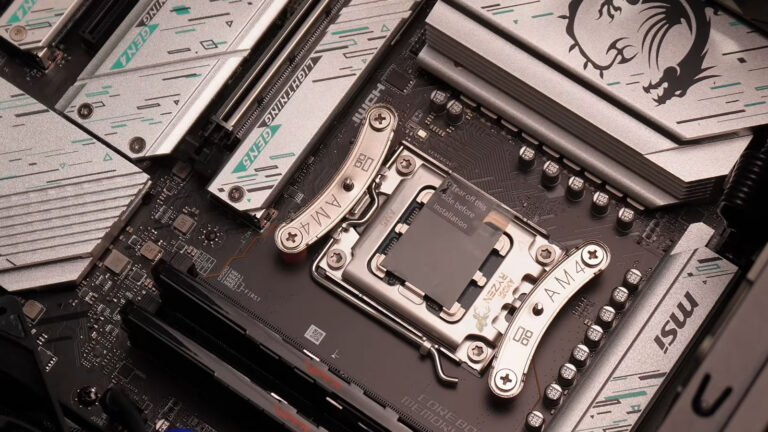
Wake-on-LAN depends on more than the network adapter alone. The motherboard firmware must also support the feature and allow the necessary power to remain available while the computer is turned off.
Many desktop computers include this capability, while support varies among laptops and compact systems.
Firmware Settings Often Control Wake-on-LAN
Many computers include firmware options that enable or disable Wake-on-LAN. If the feature is disabled at the firmware level, operating system settings alone cannot activate it.
Different manufacturers may use different names for these settings, but they generally relate to remote power-on or network wake capabilities.
Operating System Configuration Is Also Necessary
After the firmware is configured, the operating system must allow the network adapter to wake the computer. Driver settings determine whether the adapter responds to Wake-on-LAN requests.
If the operating system disables this capability, the hardware may ignore incoming wake requests even though the motherboard supports them.
A Wired Ethernet Connection Is Usually Preferred
Wake-on-LAN is most commonly used with wired Ethernet connections because they provide continuous network availability after shutdown. Wireless Wake-on-LAN support exists on some systems but is considerably less common and depends on specific hardware designs.
For dependable remote management, organizations typically rely on wired network connections whenever Wake-on-LAN is required.
Common Uses for Wake-on-LAN
- Starting office computers before remote support sessions.
- Installing software updates after business hours.
- Performing scheduled maintenance overnight.
- Reducing energy consumption by avoiding unnecessary operating time.
- Preparing computers for remote employees before the workday begins.
Wake-on-LAN Does Not Replace Remote Access Software
Wake-on-LAN only starts the computer. Once the operating system finishes loading, separate remote access software or remote desktop services are still needed to control the computer from another location.
The two technologies work together, but they perform different functions within a remote support environment.
Power Settings Can Affect Wake-on-LAN
Modern operating systems include power management features that can influence whether Wake-on-LAN functions correctly. Some settings reduce power supplied to hardware after shutdown in order to save energy, while others leave enough power available for the network adapter to monitor incoming wake requests.
If the wrong power configuration is selected, the computer may shut down normally but never respond to a valid Wake-on-LAN signal.
Fast Startup Can Change Shutdown Behavior
Some operating systems use startup technologies that combine elements of shutdown and hibernation. Depending on the computer and firmware, these modes may affect Wake-on-LAN differently than a traditional shutdown.
Manufacturers often provide recommendations for the preferred power settings when Wake-on-LAN will be used regularly.
Supported Power States Vary by Computer
Not every computer supports Wake-on-LAN from every power state. Some systems can wake only from sleep, while others also support waking from hibernation or a complete shutdown.
The available behavior depends on the motherboard, firmware, operating system, and network adapter working together.
The Computer Must Still Receive Standby Power
Even after shutdown, a compatible computer continues supplying a small amount of standby power to selected motherboard components. This allows the network adapter to remain alert for a wake request.
If the computer is completely disconnected from electricity or the power supply switch is turned off, Wake-on-LAN cannot operate.
Network Switches Normally Pass Wake Packets
Within a local wired network, Ethernet switches generally forward Wake-on-LAN packets without special configuration. This allows another computer on the same network to send the wake request.
More complex network environments may require additional configuration depending on how traffic is managed.
Routers May Require Additional Configuration
Sending Wake-on-LAN requests from outside the local network is often more complicated than sending them inside the same office or home. Routers may block or fail to forward the required broadcast traffic by default.
Organizations that require remote wake capability often configure their networking equipment carefully or use secure management systems designed for this purpose.
The Correct Network Adapter Address Is Required
The magic packet is directed toward the network adapter’s physical hardware address, commonly called the MAC address. If the incorrect address is used, another device will not respond and the intended computer will remain off.
Keeping accurate records of device information simplifies Wake-on-LAN deployment in larger environments.
Wireless Networks Often Have More Limitations
Unlike wired Ethernet connections, wireless adapters are frequently powered down completely after shutdown. As a result, many computers cannot receive Wake-on-LAN packets through Wi-Fi alone.
Some specialized hardware supports wireless wake features, but they depend on specific firmware, drivers, and network adapter capabilities.
Laptop Manufacturers May Disable the Feature
Some laptop manufacturers limit or disable Wake-on-LAN in certain operating modes to reduce battery drain. Others allow the feature only when external power is connected.
These design decisions vary considerably between manufacturers and product families.
Business Computers Often Include Better Support
Business-class desktop systems are commonly designed with remote management in mind. They frequently provide more consistent Wake-on-LAN support, firmware options, and centralized management features than consumer-oriented computers.
This makes remote administration more predictable across large groups of computers.
Wake-on-LAN Can Reduce Energy Consumption
Instead of leaving computers powered on around the clock, organizations can shut systems down after business hours and start them only when maintenance or remote access is required.
This approach can reduce electricity usage while still allowing software updates, backups, and support tasks to occur outside normal working hours.
Scheduled Tasks Can Work Together With Wake-on-LAN
Many organizations combine Wake-on-LAN with scheduled maintenance activities. Computers can be powered on remotely, receive software updates or security patches, and then shut down again after the work has been completed.
This helps minimize disruption to employees while keeping systems maintained.
Security Should Be Considered
Although the magic packet itself does not provide remote control of the computer, organizations should still control who can send Wake-on-LAN requests. Unauthorized wake events could make systems available when they were intended to remain powered off.
Secure network design and controlled remote access policies help reduce unnecessary exposure.
Wake-on-LAN Does Not Bypass Computer Security
Starting the computer remotely does not bypass operating system passwords, encryption, user authentication, or remote access permissions. After startup, normal security measures continue to protect the computer.
Wake-on-LAN simply replaces the need for someone to press the physical power button.
Wake-on-LAN May Fail Even When Everything Appears Correct
Wake-on-LAN depends on several hardware and software components working together. If any requirement is missing, the computer may remain off even though the network appears to be functioning normally.
Diagnosis typically involves verifying firmware settings, operating system configuration, network adapter properties, available standby power, and the network path used by the wake request.
Driver Updates Can Change Wake Behavior
Updating a network adapter driver may reset or modify Wake-on-LAN settings. After major operating system or driver updates, previously working configurations should be verified if remote startup suddenly stops functioning.
Reviewing the adapter’s power management and advanced driver options can often identify configuration changes introduced during an update.
Network Adapter LEDs Can Provide Helpful Clues
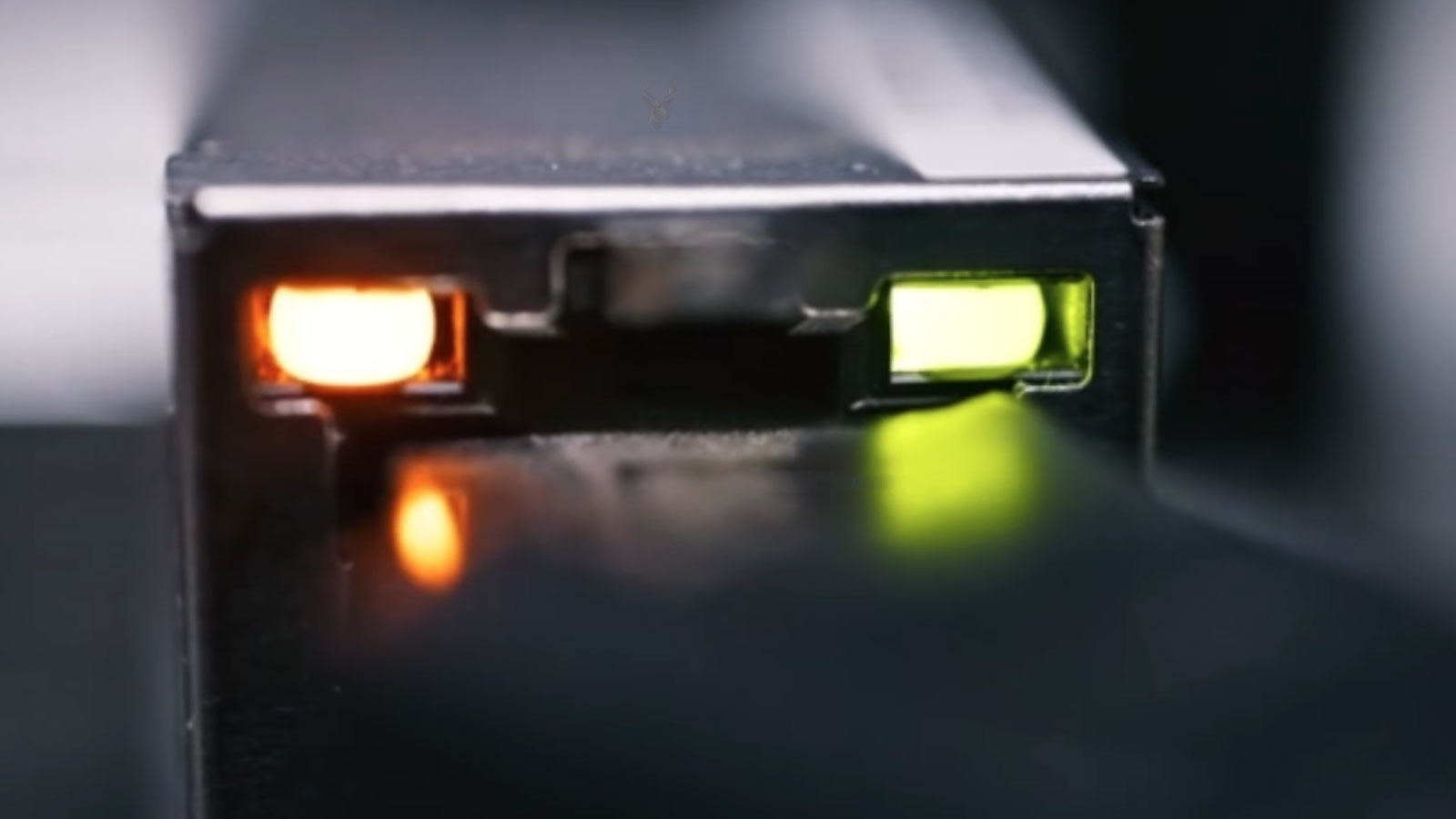
Many Ethernet ports continue displaying one or more indicator lights after the computer has been shut down. These lights often show that standby power is still reaching the network adapter.
If all network adapter lights immediately turn off after shutdown, Wake-on-LAN may not be able to receive incoming wake requests.
Power Loss Completely Disables Wake-on-LAN
Wake-on-LAN requires continuous standby power. If the building loses electricity, the UPS becomes fully depleted, or the computer is unplugged, the network adapter can no longer monitor for a magic packet.
Once electrical power returns, the computer will remain off until someone starts it or another supported automatic power-on feature is available.
Remote Support Benefits From Reliable Wake Capability
For organizations that provide scheduled remote assistance, Wake-on-LAN can eliminate unnecessary travel or requests for users to leave their computers powered on overnight. Support personnel can start compatible systems shortly before maintenance begins.
This approach provides greater flexibility while reducing unnecessary operating time.
Small Offices Often Use Wake-on-LAN for Maintenance Windows
Many small businesses perform software updates, antivirus scans, backups, and maintenance outside normal business hours. Wake-on-LAN allows compatible computers to participate in these tasks without remaining powered on continuously.
After maintenance finishes, the computers can return to their normal shutdown schedule.
Internet Wake Requests Require Careful Planning
Sending Wake-on-LAN requests across the internet is generally more complex than waking a computer from the same local network. Firewalls, routers, virtual private networks, and broadcast restrictions all influence whether the wake packet reaches its destination.
Organizations commonly test remote wake capability thoroughly before depending on it for routine support.
Testing Should Be Performed Before It Is Needed
Wake-on-LAN should be verified while someone has physical access to the computer. Confirming successful startup under normal conditions makes later troubleshooting much easier if remote startup stops working.
Waiting until an urgent support session begins can make diagnosis more difficult because physical access may no longer be available.
Documenting Computer Information Simplifies Management
Keeping records of each computer’s name, MAC address, network location, and Wake-on-LAN status allows administrators to manage multiple systems more efficiently. Accurate documentation also reduces configuration errors when hardware is replaced.
This information is particularly valuable in offices containing many computers that require scheduled maintenance.
Some Computers Offer Additional Remote Management Features
Wake-on-LAN provides only remote startup. Some business-class computers include additional management technologies that allow administrators to monitor hardware status, adjust firmware settings, or perform diagnostics even when the operating system is unavailable.
These capabilities are separate from Wake-on-LAN but may complement it in larger managed environments.
Wake-on-LAN Is Most Effective as Part of a Complete Remote Support Strategy
Remote startup works best when combined with dependable remote access software, reliable networking, current backups, regular maintenance, and appropriate security policies. Each component contributes to dependable remote computer management.
Together, these technologies allow many support tasks to be completed without requiring someone to be physically present at the computer.
Frequently Asked Questions About Wake-on-LAN
Can Wake-on-LAN turn on every computer?
No. The motherboard, network adapter, firmware, operating system, and power configuration must all support the feature.
Does Wake-on-LAN work over Wi-Fi?
Some computers support wireless wake features, but wired Ethernet remains the most common and dependable method for Wake-on-LAN.
Can a computer be awakened after it has been unplugged?
No. Wake-on-LAN requires standby electrical power. A disconnected computer cannot receive the magic packet.
Does Wake-on-LAN allow someone to bypass passwords?
No. Wake-on-LAN only starts the computer. Normal authentication, encryption, and remote access security remain in effect after startup.
Can Wake-on-LAN save electricity?
Yes. Organizations can leave computers powered off until they are needed for maintenance, remote support, or employee access instead of running continuously.
Wake-on-LAN Makes Remote Computer Management More Flexible
Wake-on-LAN allows compatible computers to be started remotely without pressing the power button. By combining firmware support, compatible hardware, operating system configuration, and proper network design, organizations can simplify maintenance while reducing unnecessary energy consumption.
Although Wake-on-LAN does not replace remote access software, it serves as an important first step in many remote support workflows. When planned and tested carefully, it provides a dependable way to prepare computers for updates, maintenance, and remote assistance whenever they are needed.