
How Thermal Pads Change as Computers Get Older
Many computer owners are familiar with thermal paste because it is commonly discussed when replacing a processor or fixing overheating issues. Thermal pads receive far less attention, even though they play an equally important role in transferring heat away from numerous electronic components throughout a computer.
Unlike thermal paste, which fills microscopic gaps between a processor and its cooler, thermal pads are manufactured in specific thicknesses to bridge larger spaces between heat-generating components and heatsinks. As these pads age, they gradually lose some of the physical characteristics that allow efficient heat transfer.
What Is a Thermal Pad?
A thermal pad is a soft, thermally conductive material designed to transfer heat from an electronic component to a heatsink. The pad compresses slightly during installation, allowing it to make consistent contact with both surfaces even when the spacing between them is not perfectly uniform.
Thermal pads are commonly made from silicone-based materials combined with thermally conductive fillers that improve heat transfer while remaining electrically non-conductive in most applications.
Why Thermal Pads Are Different From Thermal Paste
Although both materials help transfer heat, they are designed for different situations. Thermal paste performs best where two surfaces fit closely together, while thermal pads bridge larger gaps that thermal paste cannot safely fill.
Replacing one material with the other without understanding the required spacing can reduce cooling efficiency or even prevent proper contact between components and their heatsinks.
| Thermal Paste | Thermal Pad |
|---|---|
| Very thin application | Manufactured in fixed thicknesses |
| Used where surfaces fit closely together | Bridges larger physical gaps |
| Common on CPUs | Common on memory chips, power components, and SSDs |
| Spread during installation | Installed as a complete pad |
Many Components Depend on Thermal Pads
Thermal pads are found throughout modern computers, not just on graphics cards. They help cool memory chips, voltage regulation modules, solid-state drives, laptop components, power delivery circuits, and many other devices that generate heat but cannot always be positioned directly against a heatsink.
Without properly functioning thermal pads, these components may operate at higher temperatures than intended.
Graphics Cards Use Numerous Thermal Pads
Modern graphics cards often contain multiple thermal pads of varying thicknesses. These pads transfer heat away from memory chips, voltage regulation components, and other supporting circuitry surrounding the graphics processor.
Because several different pad thicknesses may be used on a single graphics card, replacing them requires careful attention to the original design.
Laptops Also Rely on Thermal Pads
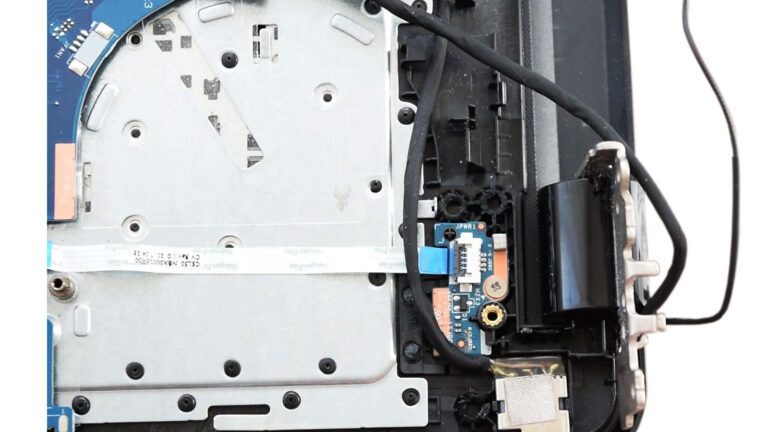
Compact laptop designs leave very little room for cooling hardware. Manufacturers often use thermal pads to connect memory modules, storage devices, power circuitry, and other heat-producing components to shared cooling assemblies or internal metal structures.
Even a relatively small reduction in thermal contact can influence operating temperatures inside these tightly packed systems.
Motherboards Contain Thermal Pads as Well
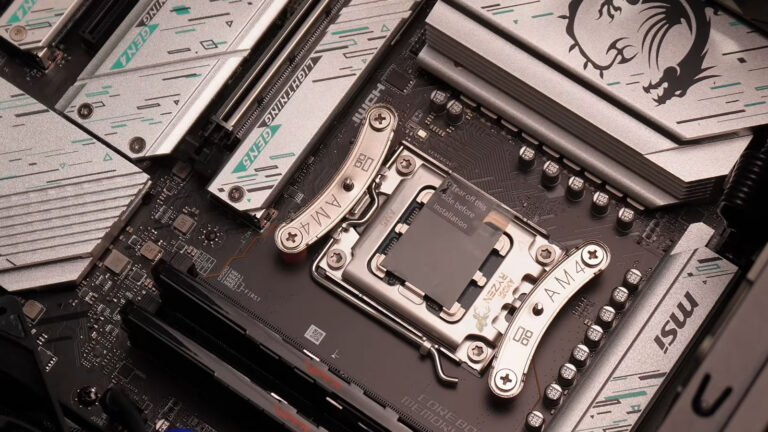
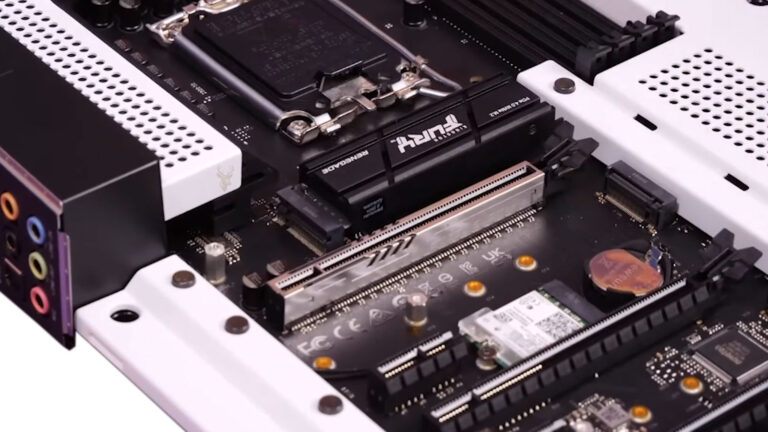
Many desktop motherboards include thermal pads beneath decorative heatsinks covering voltage regulators, chipset components, and high-speed NVMe storage devices. Although these pads are often hidden from view, they play an important role in removing heat from critical circuitry.
Removing these heatsinks without protecting the pads can damage or contaminate the material.
Thermal Pads Naturally Age
Like many synthetic materials, thermal pads gradually change over time. Repeated heating and cooling cycles, mechanical compression, environmental exposure, and simple material aging slowly alter their flexibility and thermal performance.
These changes usually occur over several years rather than suddenly.
Heat Accelerates Material Changes
Computers that regularly operate under heavy workloads expose thermal pads to elevated temperatures for extended periods. Graphics-intensive applications, engineering software, rendering workloads, and gaming sessions can all contribute to gradual material aging.
The warmer the operating environment, the more quickly certain aging processes may occur.
Compression Changes the Shape of the Pad
Thermal pads are intentionally compressed during installation so they conform to nearby surfaces. After years of remaining under pressure, some pads become permanently compressed and no longer return to their original thickness when removed.
This permanent compression can reduce contact pressure if the pad is reused after disassembly.
Thermal pads are engineered as compressible thermal interfaces, not permanent structural spacers. Their condition matters just as much as their original thickness.
Some Pads Become Harder With Age
Depending on their material composition and operating environment, aging thermal pads may gradually lose flexibility. Instead of remaining soft and compliant, they can become firmer and less capable of conforming to microscopic surface irregularities.
This reduction in flexibility may slightly decrease the efficiency of heat transfer between the component and its heatsink.
Others May Become Brittle
Some older thermal pads become fragile enough to crack, split, or tear when heatsinks are removed during maintenance. Pieces may remain attached to both surfaces, making complete removal more difficult.
Damaged pads rarely provide the same uniform contact they offered when new.
Oil Separation Can Occasionally Occur
Certain thermal pad materials may gradually release small amounts of their internal compounds over time. Depending on the specific material, this can appear as slight surface residue or changes in texture.
Not every visible change indicates failure, but noticeable deterioration deserves closer inspection whenever the cooling assembly is already being serviced.
Thickness Is Just as Important as Conductivity
Thermal pads are manufactured in carefully selected thicknesses because different components sit at different distances from the heatsink. Even a highly conductive pad may perform poorly if its thickness prevents proper contact or creates excessive pressure elsewhere in the cooling assembly.
For this reason, replacing thermal pads involves more than simply selecting the material with the highest advertised thermal conductivity.
A Small Gap Can Greatly Reduce Heat Transfer
Efficient cooling depends on continuous contact between the component, the thermal interface material, and the heatsink. Even a very small air gap dramatically reduces heat transfer because air conducts heat far less effectively than properly installed thermal interface materials.
Maintaining consistent physical contact is therefore one of the primary purposes of thermal pads throughout modern computer hardware.
Pads That Are Too Thin May Not Reach the Heatsink
A replacement thermal pad that is thinner than the original may leave a partial or complete gap between the component and the cooling surface. The heatsink may appear to fit correctly while failing to make enough contact with the pad underneath.
This can allow memory chips, voltage regulators, or other supporting components to operate at unusually high temperatures even when the main processor or graphics chip remains adequately cooled.
Pads That Are Too Thick Can Create New Problems
Installing a pad that is thicker than required may prevent the heatsink from sitting evenly across the entire assembly. Excessive thickness can lift one side of the cooler, reduce contact with another component, or place unnecessary pressure on delicate circuit boards.
On a graphics card, an oversized memory pad may interfere with proper contact between the graphics processor and its main heatsink surface.
Uneven Pad Thickness Can Tilt a Cooling Assembly
Some devices use several thermal pads across components of different heights. If one replacement pad is substantially thicker or less compressible than the others, the heatsink may rest unevenly instead of applying balanced pressure across the board.
This imbalance can create temperature problems in areas that were not originally affected.
Compression Percentage Matters
Thermal pads are designed to compress within a certain range. A pad that barely compresses may not conform sufficiently to the surfaces, while one that is crushed excessively may spread outward, become too thin, or place added stress on nearby components.
The correct installation depends on both the uncompressed thickness and the physical softness of the material.
Different Brands Compress Differently
Two thermal pads labeled with the same thickness may behave differently during installation. One material may be extremely soft and compress easily, while another may be considerably firmer and maintain most of its original thickness under pressure.
This is why matching only the printed measurement does not always guarantee identical results.
Thermal Conductivity Ratings Do Not Tell the Entire Story
Manufacturers commonly advertise thermal pad performance using thermal conductivity ratings. Although these values can help compare materials, actual cooling performance also depends on contact quality, pad thickness, compression, surface area, and the design of the heatsink.
A correctly fitted moderate-performance pad may transfer heat more effectively than a highly rated pad installed with poor contact.
Old Pads Often Tear During Heatsink Removal
When a heatsink has remained installed for years, thermal pads may adhere to both the component and the cooling plate. Separating the assembly can stretch or split the material, leaving sections attached to opposite surfaces.
Once a pad has torn or shifted significantly, replacing it is generally safer than attempting to reposition the damaged material.
Reusing Compressed Pads Can Reduce Contact
A thermal pad may look intact after disassembly while retaining the permanent impressions of the components it previously contacted. If the heatsink is reinstalled slightly differently, those compressed areas may no longer align perfectly.
The reused pad may then provide uneven pressure or leave small areas with inadequate contact.
Pad Imprints Can Reveal Contact Quality
When a heatsink is removed carefully, the impressions left in the thermal pads can provide useful information. Clear, even imprints generally indicate that the components were making contact across the expected surface.
Weak, incomplete, or missing impressions may suggest that a pad was too thin, had shifted, or was not compressed sufficiently.
| Observed Condition | Possible Meaning |
|---|---|
| Clear and even component imprint | The pad likely made consistent contact. |
| Imprint on only one side | The heatsink may have been uneven or tilted. |
| No visible imprint | The pad may have been too thin or out of position. |
| Deeply crushed material | The pad may have been too thick or overly soft. |
| Torn or fragmented surface | The aged pad may no longer be suitable for reuse. |
Contamination Can Interfere With Heat Transfer
Dust, skin oils, adhesive residue, and loose debris can prevent a thermal pad from sitting evenly against a component. Contamination may also reduce adhesion or create raised areas that interfere with uniform compression.
Clean handling and properly prepared surfaces help preserve consistent thermal contact during installation.
Stretching a Pad Changes Its Thickness
Soft thermal pads can stretch when they are pulled from a protective film or repositioned repeatedly. As the material stretches, it may become thinner in certain areas and no longer match the dimensions required by the cooling assembly.
Handling the pad gently reduces the risk of accidental deformation.
Protective Films Must Be Removed
Many replacement thermal pads include thin protective films on one or both sides. These layers prevent contamination during packaging but are not intended to remain between the pad and the component.
Leaving a protective film in place can severely reduce heat transfer and may prevent the pad from conforming correctly.
Pads Must Cover the Correct Area
A replacement pad should cover the heat-producing surface without extending unnecessarily across surrounding components. Pads cut too small may leave part of a memory chip or power component without effective contact.
Oversized pieces may overlap nearby parts, fold during installation, or interfere with the cooler seating correctly.
Graphics Memory Can Overheat Without Obvious GPU Temperature Changes
The main graphics processor and its memory chips are separate components with different temperature behavior. A graphics card may report an acceptable core temperature while aging or incorrectly fitted thermal pads allow the memory to run much hotter than intended.
This can make thermal pad problems difficult to identify when only the primary GPU temperature is being monitored.
Power Delivery Components Also Generate Significant Heat
Voltage regulation modules convert and control the electrical power supplied to processors, graphics chips, and other hardware. These components may generate substantial heat during demanding workloads and often depend on thermal pads to connect them to nearby heatsinks.
Poor pad contact can increase stress on these power delivery circuits even when the computer appears to operate normally.
NVMe Drives May Use Replaceable Thermal Pads
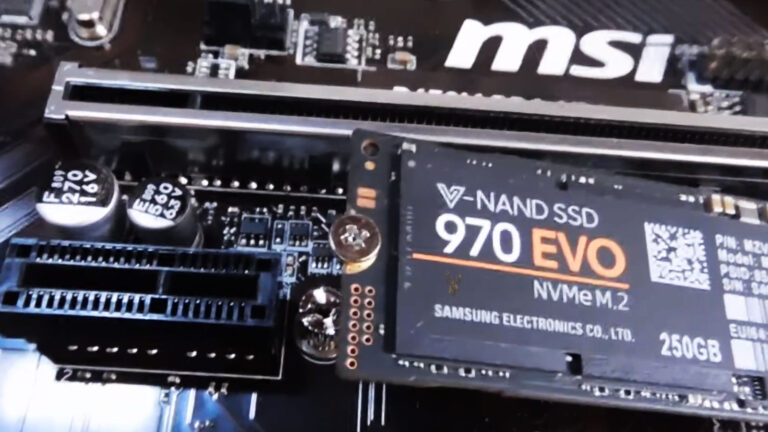
Many motherboard and aftermarket NVMe heatsinks use a thin thermal pad between the storage device and the metal cooling plate. These pads can become compressed, contaminated, or torn when the heatsink is removed for an SSD replacement.
Reinstalling the heatsink with a damaged pad may reduce cooling performance or leave part of the drive without proper contact.
Double-Sided NVMe Drives Need Careful Inspection
Some NVMe SSDs contain memory packages on both sides of the circuit board. Depending on the enclosure or motherboard design, thermal pads may be required above and below the drive to transfer heat into surrounding metal surfaces.
Using the wrong pad thickness underneath the SSD can bend the circuit board or prevent the drive from sitting correctly in its connector.
Laptop Cooling Assemblies Can Use Custom Pad Shapes
Laptop manufacturers sometimes use precisely shaped thermal pads, putty-like materials, or combined thermal interfaces that match the limited spacing inside a specific model. These materials may not correspond to common replacement thicknesses used in desktop hardware.
Careful documentation during disassembly helps preserve the original placement and dimensions.
Thermal Putty Is Not Identical to a Traditional Pad
Some computers use soft thermal putty instead of a preformed pad. Thermal putty can conform to irregular component heights and complex surface shapes, but it behaves differently during removal and reinstallation.
Replacing thermal putty with a standard pad without measuring the required spacing may create poor contact or excessive pressure.
The correct thermal interface is determined by the physical design of the cooling assembly, not simply by which replacement material appears easier to install.
Higher Temperatures May Appear Only Under Sustained Load
A computer with aging thermal pads may seem completely normal during light browsing or office work. The affected components may become excessively hot only during extended gaming, rendering, file transfers, or other demanding workloads.
This delayed behavior can make the problem appear inconsistent or application-specific.
Performance Reduction Can Protect Overheated Components
Some components reduce their operating speed when internal temperature limits are reached. This protective behavior may prevent immediate damage while causing lower frame rates, slower processing, or inconsistent performance during longer workloads.
When poor thermal pad contact is responsible, replacing fans or adjusting software settings may not correct the underlying heat-transfer problem.
Symptoms Can Resemble Other Cooling Problems
Aging thermal pads may produce symptoms similar to restricted airflow, dried thermal paste, weak fans, dust accumulation, or an improperly mounted heatsink. More than one cooling issue may also exist at the same time in an older computer.
Accurate diagnosis requires evaluating the complete cooling system rather than assuming every temperature problem has the same cause.
Temperature Monitoring May Not Show Every Affected Component
Monitoring software can display useful temperature information, but not every memory chip, voltage regulator, or supporting component includes an accessible sensor. A computer may therefore show normal readings for the processor or graphics core while another area of the board operates much hotter than expected.
This limitation is especially important when diagnosing thermal pad problems because the affected component may not report its own temperature directly.
Visible Discoloration Can Suggest Long-Term Heat Exposure
Darkened circuit-board areas, discolored labels, brittle plastic, or heat-stained metal can indicate that a component has experienced elevated temperatures over time. These signs do not automatically prove that a thermal pad has failed, but they can help identify areas that deserve closer inspection.
Any visible heat damage should be evaluated carefully before the device is returned to regular use.
Aging Pads May Leave Residue on the Heatsink
When older thermal pads are removed, they may leave soft residue, fragmented material, or oily marks on the cooling surface. New pads should not be installed over loose remnants because uneven layers can interfere with proper seating and compression.
Both contact surfaces should be prepared carefully without scratching components or damaging nearby circuitry.
Cleaning Methods Depend on the Material
Thermal pad residue may require different handling than dried thermal paste. Loose material can often be lifted gently, while remaining residue may need careful cleaning with an electronics-safe method appropriate for the surface.
Excessive scraping, strong solvents, and uncontrolled liquid use can damage coatings, labels, small components, or circuit boards.
Original Pad Placement Should Be Documented
Photographing the cooling assembly before removing old pads helps preserve information about their location, size, shape, and orientation. This is especially valuable when several different thicknesses are used across the same board.
Without clear documentation, visually similar pads can easily be installed in the wrong positions during reassembly.
Measurements Should Be Taken Carefully
Old thermal pads are often permanently compressed, so measuring their removed thickness does not always reveal the exact original specification. Service documentation, manufacturer information, known replacement references, and contact impressions may all help determine the correct material.
Guessing based only on appearance can create additional cooling problems.
Stacking Pads Is Not Always a Reliable Solution
Placing multiple thin pads on top of one another may seem like an easy way to reach a required thickness. However, additional interfaces between layers can reduce consistency, allow shifting, and create uneven compression.
A single correctly sized pad is generally preferable when an appropriate replacement is available.
Thermal Paste Should Not Be Used to Fill Large Gaps
Thermal paste is not designed to replace a thick pad or bridge a large space between a component and a heatsink. Excessive paste may spread across nearby circuitry, fail to maintain the required spacing, and provide inconsistent heat transfer.
The original cooling design should guide the choice of replacement material.
Mounting Pressure Must Remain Balanced
Heatsink screws are often tightened in a specific sequence so pressure is distributed gradually across the assembly. Tightening one side completely before the others can compress pads unevenly or tilt the cooling plate.
Following the marked screw order or service procedure helps preserve even contact across processors, memory chips, and power components.
Circuit Boards Can Bend Under Excessive Pressure
Thermal pads that are too thick or too firm may place substantial pressure on a graphics card, motherboard, laptop board, or SSD. Visible bending is a warning that the cooling assembly may not be using the correct spacing.
Continued mechanical stress can affect solder joints, connectors, and delicate board layers.
Testing After Replacement Is Essential
A computer should be monitored carefully after thermal pads are replaced. Initial testing can confirm that fans operate correctly, heatsinks remain secure, and temperatures respond normally under increasing workload.
Testing should be stopped if temperatures rise unusually quickly, performance drops sharply, or the system becomes unstable.
Idle Temperatures Alone Are Not Enough
At idle, many components produce too little heat to reveal poor thermal contact. A device may appear normal for several minutes and then develop problems only after sustained activity raises the temperature of memory or power-delivery components.
Controlled load testing provides a more realistic picture of cooling performance than idle readings alone.
Comparing Behavior Before and After Service Helps
When possible, recording temperatures, fan speeds, clock behavior, and workload performance before disassembly provides a useful reference. The same tests can be repeated after service to determine whether cooling performance improved or an installation problem was introduced.
Consistent testing conditions make the comparison more meaningful.
| Post-Service Check | What It Can Reveal |
|---|---|
| Idle temperature review | Obvious mounting or fan problems |
| Gradual load test | Heat buildup under sustained activity |
| Clock-speed monitoring | Performance reduction caused by thermal limits |
| Visual board inspection | Bending, shifted pads, or uneven assembly |
| Repeated stability testing | Intermittent failures that appear only when warm |
Thermal Pads Do Not Have a Universal Replacement Schedule
There is no single number of years after which every thermal pad must be replaced. Material quality, operating temperature, workload, compression, environmental exposure, and device design all influence how quickly deterioration occurs.
A stable computer with normal temperatures should not be disassembled solely because its thermal pads have reached a particular age.
Unnecessary Disassembly Can Create New Risks
Opening a graphics card, laptop, or motherboard cooling assembly can damage connectors, tear cables, strip screws, crack brittle plastics, or disturb thermal interfaces that were still working properly. Preventive maintenance should therefore be based on symptoms, service needs, and the condition of the device.
Thermal pad replacement is most appropriate when the assembly must already be opened or when evidence points toward poor contact.
Manufacturer Warranty Seals and Policies May Apply
Disassembling certain graphics cards, laptops, storage devices, or specialized systems may affect warranty service depending on the manufacturer and applicable policies. Before opening newer equipment, owners should review the available service documentation and warranty terms.
Professional service may be preferable when the hardware is valuable, difficult to replace, or still covered.
Professional Replacement Is Useful When Specifications Are Unclear
Some cooling assemblies use several pad thicknesses, custom shapes, thermal putty, or delicate mounting systems. When the original specifications are unavailable, determining the correct replacement may require careful measurement, contact testing, and experience with the device.
This is especially important for high-value graphics cards, compact gaming laptops, workstations, and specialized computers where an incorrect installation can affect multiple components.
Warning Signs That May Justify Inspection
- Performance decreases after the computer has been under load for several minutes.
- Graphics memory temperatures are unusually high compared with the core temperature.
- A device becomes unstable only after warming up.
- The cooling assembly has already been removed and the original pads are torn.
- Pad material appears brittle, displaced, contaminated, or deeply compressed.
- A heatsink shows incomplete contact impressions.
- The circuit board bends when the cooler is installed.
- Temperatures increased after previous thermal maintenance.
Good Replacement Practices Protect the Entire Assembly
- Document every pad location before removal.
- Identify the required thickness and material type.
- Clean contact surfaces without damaging nearby components.
- Cut replacement pads to the correct dimensions.
- Remove all protective films before installation.
- Position each pad without stretching or folding it.
- Tighten the heatsink gradually in the proper sequence.
- Inspect for board bending or uneven seating.
- Test temperatures and stability under controlled load.
Frequently Asked Questions About Aging Thermal Pads
How long do computer thermal pads normally last?
There is no universal lifespan. Many thermal pads continue working for years, while high temperatures, heavy compression, material quality, and repeated disassembly can shorten their useful condition.
Should thermal pads be replaced every time a heatsink is removed?
Replacement is advisable when pads tear, shift, become contaminated, remain permanently compressed, or no longer align correctly. An intact pad may sometimes be reusable, but its condition and contact pattern should be examined carefully.
Can old thermal pads cause a graphics card to crash?
Poor thermal contact can allow memory or power-delivery components to overheat, potentially contributing to instability under load. However, crashes can have many other causes, so the complete system should be diagnosed.
Can I use thicker pads to improve cooling?
Not necessarily. A pad that is too thick can lift the heatsink, reduce contact elsewhere, bend the circuit board, or place excessive pressure on components. The replacement should match the cooling assembly’s required spacing.
Is a higher thermal conductivity rating always better?
A higher rating may help when all other factors are equal, but thickness, softness, compression, placement, and surface contact often have a greater effect on real-world performance.
Can thermal paste replace a thermal pad?
Thermal paste should not be used to bridge the larger gaps normally filled by thermal pads. It does not provide the same spacing, structure, or controlled compression.
Why did temperatures increase after I replaced the pads?
The new pads may be too thick, too thin, too firm, incorrectly positioned, or still covered by protective film. The heatsink may also be unevenly tightened or no longer making proper contact with another component.
Do all NVMe SSDs need thermal pads?
No. Cooling requirements depend on the drive, workload, airflow, motherboard design, and available heatsink. When a thermal pad is supplied as part of a designed heatsink assembly, it should be installed according to that design.
Maintaining Reliable Contact as Hardware Ages
Thermal pads are easy to overlook because they remain hidden beneath heatsinks and cooling plates. Over time, however, compression, heat exposure, material aging, contamination, and repeated disassembly can change how effectively they connect electronic components to their cooling surfaces.
Successful replacement depends on more than choosing a pad with an impressive conductivity rating. Correct thickness, compressibility, placement, surface preparation, mounting pressure, and post-service testing all contribute to reliable heat transfer. By preserving the original cooling design and inspecting aging materials carefully, technicians can improve cooling without introducing new pressure, contact, or stability problems.