Understanding How SSDs Preserve Data Without Power
Solid-state drives have become the primary storage device in most modern computers because they are fast, quiet, energy efficient, and resistant to the mechanical failures that affect traditional hard drives. Many people also assume that if an SSD is disconnected and stored safely, the information on it will remain unchanged indefinitely.
While SSDs are excellent storage devices during normal everyday use, flash memory behaves differently from magnetic storage. Information is retained without power, but that retention is not permanent under every condition. Temperature, flash wear, storage time, and the condition of the memory cells all influence how long data remains reliable.
Flash Memory Stores Electrical Charge
Unlike a hard drive that records information magnetically on spinning platters, an SSD stores data by trapping electrical charge inside microscopic floating-gate or charge-trap memory cells. The controller interprets these charge levels as digital information.
As long as those charge levels remain distinguishable, the stored files can be read accurately even when the drive has been disconnected from power for an extended period.
Why an SSD Does Not Need Continuous Power
Flash memory is considered non-volatile storage, meaning it preserves information without requiring electricity to remain connected. Once data has been programmed into the memory cells, the stored charge remains trapped until it naturally changes over time or is intentionally erased and rewritten.
This characteristic allows SSDs to retain operating systems, applications, and personal files while a computer is turned off or completely disconnected.
Charge Naturally Changes Over Time
No electrical storage mechanism is perfectly permanent. Over very long periods, tiny amounts of stored charge slowly leak from flash memory cells. SSD controllers are designed with error correction and carefully defined voltage thresholds to tolerate this gradual change, but the process never completely stops.
For most users, this slow charge loss is insignificant during normal computer use because the drive is powered regularly and stored information is refreshed through ordinary operation.
Regular Use Helps Maintain Reliable Storage
Computers that are used routinely allow the SSD controller to monitor stored information, correct certain errors, and manage flash memory as part of normal operation. Although users rarely notice these background activities, they contribute to the long-term reliability of stored data.
An SSD that remains disconnected for years does not benefit from these normal maintenance processes.
Data Retention Is Different From Drive Lifespan
Two separate concepts are often confused. The lifespan of an SSD refers to how many write and erase cycles its flash memory can withstand during active use. Data retention refers to how long existing information remains readable while the drive is not receiving power.
A drive may have many years of usable write endurance remaining while still experiencing reduced long-term retention if it has already accumulated significant flash wear.
| Concept | Description |
|---|---|
| Write Endurance | How many program and erase cycles the flash memory can tolerate. |
| Data Retention | How long stored information remains readable without power. |
| Service Life | The practical period during which the SSD continues operating reliably. |
| Controller Health | The ability of the SSD controller to manage and access stored information. |
Newer Drives Usually Retain Data Longer
A relatively new SSD that has experienced minimal write activity generally retains stored information longer than an identical drive that has undergone years of heavy use. Each erase and rewrite cycle gradually changes the physical characteristics of the flash memory cells.
As flash memory ages, distinguishing between stored charge levels becomes progressively more challenging.
Temperature Plays a Major Role
Storage temperature has one of the greatest influences on long-term flash memory retention. Higher temperatures accelerate the natural movement of electrical charge inside memory cells, increasing the possibility that stored values will eventually drift outside their expected ranges.
Keeping storage devices in cool, stable environments helps reduce this gradual process.
Extreme Heat Accelerates Charge Loss
Leaving an SSD inside a hot vehicle, an attic, or another location exposed to prolonged high temperatures may shorten the period during which stored information remains reliable. Elevated temperatures speed up many chemical and electrical aging processes throughout electronic components.
Although the drive itself may still function, prolonged heat exposure increases long-term storage risk.
Cold Storage Is Generally Less Harmful
Reasonably cool environments usually slow the natural loss of stored charge. However, excessively cold storage introduces other concerns such as condensation when the drive is returned to warmer conditions.
Allowing the SSD to reach room temperature before powering it helps prevent moisture-related problems.
Humidity Creates Separate Risks
Humidity does not directly erase flash memory, but it can contribute to corrosion, contamination, and connector deterioration. A drive that has retained its data perfectly may still become difficult to access if its electrical connections are damaged by long-term environmental exposure.
Dry, temperature-controlled storage conditions provide better protection than uncontrolled environments.
For long-term storage, environmental conditions often influence data preservation as much as the storage technology itself.
Flash Wear Affects Future Retention
Every time information is erased and rewritten, tiny physical changes occur within the flash memory cells. Modern SSD controllers distribute these write operations carefully across the available memory, but accumulated wear gradually affects how well cells retain electrical charge.
This is one reason manufacturers specify both write endurance and expected retention characteristics.
Enterprise and Consumer SSDs May Behave Differently
Enterprise storage devices are often designed for continuous operation in controlled environments with predictable maintenance schedules. Consumer SSDs target different usage patterns, balancing cost, capacity, and performance for everyday computing.
The expected retention characteristics may therefore differ according to the drive’s intended application.
Powering On an Archived SSD Can Be Beneficial
If an SSD contains important archived information, periodically connecting it to a compatible computer allows the controller to access the stored data and confirms that the drive remains readable. This also provides an opportunity to create updated backups before any unexpected problems develop.
Simply leaving valuable information untouched for many years without verification introduces unnecessary uncertainty.
Archived Data Should Never Exist in Only One Location
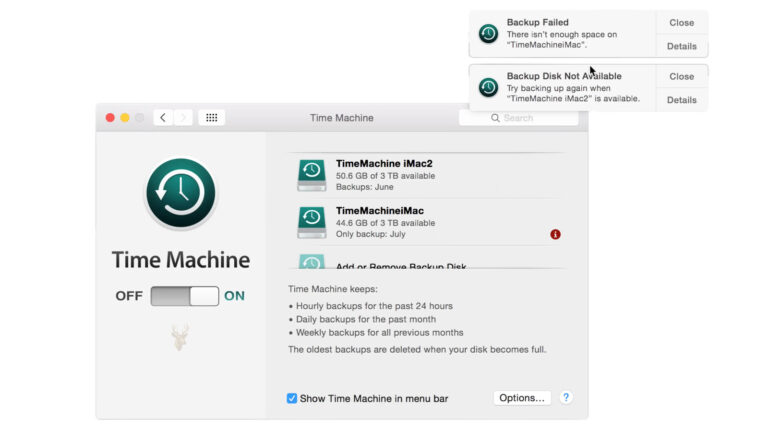
No storage technology should be considered a permanent single-copy archive. Whether information is stored on SSDs, hard drives, optical media, or cloud services, maintaining multiple independent copies significantly reduces the likelihood of permanent data loss.
Long-term preservation depends on redundancy rather than assuming any individual storage device will remain perfect indefinitely.
Not Every SSD Ages at the Same Rate
Differences in flash memory type, controller design, manufacturing quality, firmware, storage conditions, and usage history all influence long-term retention. Two drives purchased on the same day may perform differently years later depending on how they have been used and stored.
Understanding these variables helps explain why predicting an exact retention period is not possible for every SSD.
Charge Leakage Happens Extremely Slowly
The electrical charge stored inside NAND flash memory does not disappear suddenly. Instead, tiny changes occur gradually over long periods. SSD controllers are designed with carefully defined voltage margins that allow normal aging without immediately affecting stored information.
This gradual process is why healthy SSDs remain dependable for everyday computing while still requiring sensible long-term archival practices.
The Controller Interprets Stored Voltage Levels
Flash memory does not directly store ones and zeros in the same way many people imagine. Instead, each memory cell contains an electrical charge that falls within expected voltage ranges. The SSD controller continuously interprets these levels to reconstruct the original digital information.
If the stored charge changes too much over time, distinguishing one programmed state from another eventually becomes more difficult.
More Bits Per Cell Increase Storage Density
Modern SSDs store increasing amounts of information within each flash memory cell. Rather than representing only two electrical states, many cells must distinguish among several carefully separated voltage levels.
This higher storage density allows larger capacities while also requiring greater precision when reading stored information.
Charge Margins Become Increasingly Precise
As additional information is stored within each memory cell, the controller must distinguish between smaller differences in electrical charge. Modern flash controllers compensate for this complexity through advanced error correction and signal processing techniques.
These technologies allow today’s SSDs to provide impressive capacity despite increasingly sophisticated flash memory designs.
Writing Data Changes the Flash Cell
Programming information into flash memory requires carefully moving electrons into insulated storage structures inside each memory cell. Erasing and rewriting data repeats this process thousands of times throughout the life of the drive.
These repeated program and erase cycles gradually alter the physical characteristics of the memory cells, contributing to long-term flash wear.
Normal Home Users Rarely Reach Endurance Limits Quickly
Although flash memory has a finite number of write cycles, everyday home users often write far less data than many people expect. Typical web browsing, office work, media playback, and casual computing generally consume only a small fraction of the available endurance over many years.
Heavy workloads such as continuous video editing, database activity, virtualization, or large-scale content creation place substantially greater demands on flash memory.
Long-Term Archives Usually Receive Few Writes
An archived SSD often spends most of its life storing information rather than rewriting it. Once photographs, documents, or completed projects have been copied onto the drive, little additional write activity may occur.
In these situations, environmental storage conditions become more significant than ongoing write endurance.
A Brand-New SSD Is Not a Permanent Archive
Even a brand-new solid-state drive should not be viewed as permanent offline storage. Flash memory remains subject to gradual electrical aging regardless of whether the drive has experienced extensive write activity.
Using multiple storage locations remains a far safer preservation strategy than relying on the age of a single device.
Long-term preservation depends on good backup practices, not on assuming that any storage technology remains unchanged forever.
The SSD Controller Is Essential for Reading Data
The flash memory chips cannot simply be connected directly to another computer like ordinary storage sectors. The controller performs address translation, error correction, wear management, bad block handling, and many other operations that make stored information understandable.
If the controller itself fails, the flash memory may still physically contain data even though accessing it becomes considerably more difficult.
Controller Failure Is Separate From Charge Loss
Data retention concerns focus on how long flash memory cells preserve their stored charge while disconnected from power. Controller failure represents a different problem involving the electronics that manage access to the flash memory.
Both situations can prevent access to files, but they originate from different causes and often require different recovery approaches.
Stored Files Can Remain Intact Even if the Computer Is Replaced
When an SSD is removed from a functioning computer and stored properly, the information remains on the drive regardless of what happens to the original computer. Replacing a motherboard, processor, or memory does not alter the contents of the disconnected SSD.
This independence makes SSDs convenient for transferring systems or preserving retired computers, provided the drives are checked periodically.
Long-Term Storage Should Include Proper Packaging
Protective anti-static packaging helps reduce the risk of physical and electrostatic damage while the drive is not being used. Clean, dry storage containers also reduce exposure to dust, moisture, and accidental connector damage.
Simple physical protection complements good environmental storage practices.
Physical Damage Can Endanger Archived Data
Although SSDs contain no moving parts, they remain electronic devices that can be damaged by impact, crushed connectors, cracked circuit boards, or liquid exposure. A physically damaged SSD may become inaccessible regardless of how well its flash memory retained electrical charge.
Safe storage protects both the electronic components and the information they contain.
Encryption Remains Stored With the Data
If an SSD contains encrypted information, disconnecting the drive does not remove that protection. The encryption remains part of the stored data regardless of how long the drive sits unpowered.
Maintaining recovery keys and account credentials remains just as important as preserving the drive itself.
Self-Encrypting Drives Follow the Same Retention Principles
Some SSDs include hardware-based encryption features that operate independently of the computer’s operating system. Although the encryption technology differs, the flash memory still depends on long-term electrical charge retention while the drive remains disconnected.
Encryption protects confidentiality but does not eliminate the normal aging characteristics of flash storage.
External SSDs Follow the Same Fundamental Rules
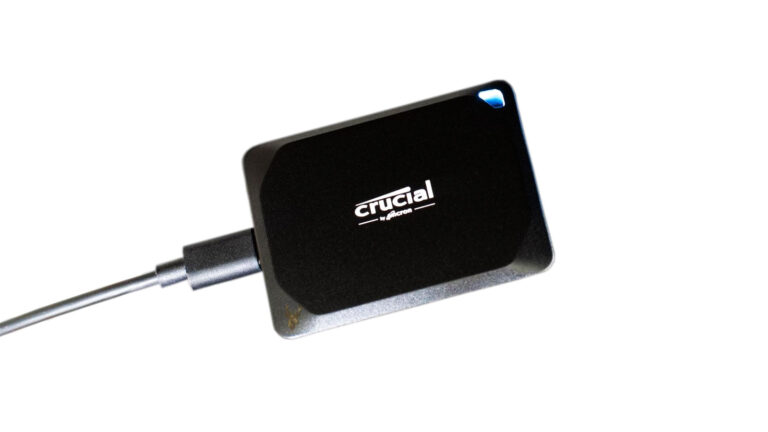
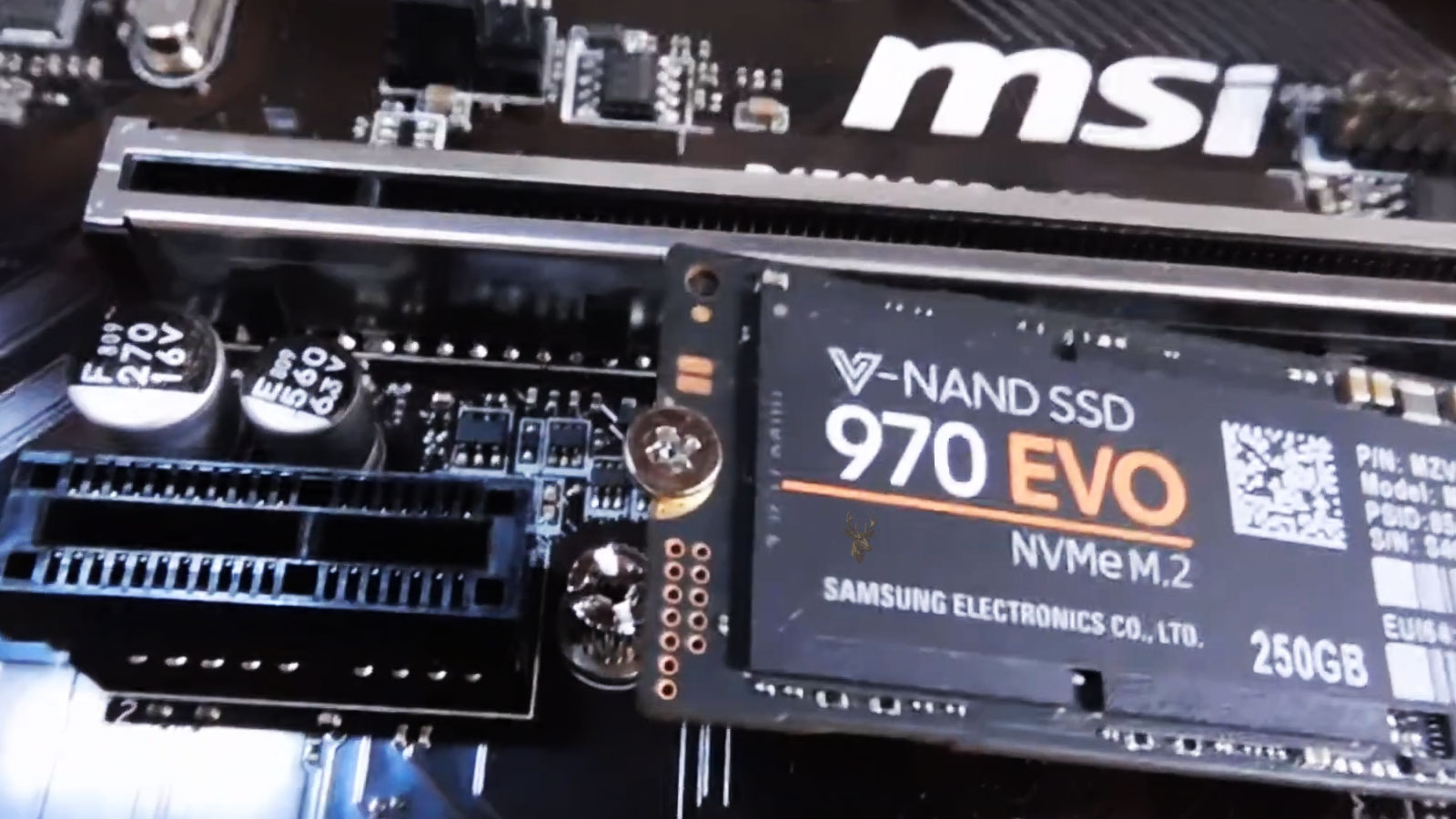
Whether the SSD is installed inside a desktop computer, mounted in a laptop, or housed within an external USB enclosure, the flash memory retains information using the same underlying technology. The enclosure changes the connection method but not the way data is preserved.
Good storage practices apply equally to both internal and external SSDs.
Portable Drives Often Experience More Environmental Exposure
Because external SSDs travel between locations, they are more likely to experience temperature changes, accidental impacts, moisture, and other environmental conditions than drives that remain installed inside a computer.
Using protective cases and avoiding extreme environments helps preserve both the hardware and the stored information.
Archive Copies Should Be Stored Independently
Keeping multiple backup copies in the same drawer or office reduces protection against theft, fire, flooding, or other unexpected events. Independent storage locations improve resilience by reducing the likelihood that a single incident affects every copy.
This principle applies regardless of whether the backups are stored on SSDs, hard drives, or cloud services.
Periodic Verification Provides Confidence
The most reliable archive is one that has been tested. Periodically connecting stored SSDs, opening representative files, and confirming that backup copies remain complete provides far greater confidence than simply assuming the information is still available.
Verification transforms a backup from an assumption into a confirmed recovery resource.
Error Correction Helps Protect Stored Information
Modern SSD controllers constantly rely on sophisticated error correction algorithms to detect and correct small changes in stored data. These systems compensate for minor charge variations that naturally occur within flash memory cells as they age.
Error correction significantly improves reliability, but it has practical limits. If too many memory cells drift beyond recoverable thresholds, the controller may no longer reconstruct the original information accurately.
Error Correction Does Not Make Data Permanent
Some users assume that because SSDs include advanced error correction, archived files will remain readable indefinitely. Error correction extends reliability by compensating for expected changes, but it cannot restore information that has degraded beyond the controller’s ability to interpret it.
Maintaining current backups remains essential regardless of the storage technology being used.
Firmware Helps Manage Long-Term Reliability
The SSD firmware coordinates wear leveling, bad block management, garbage collection, logical addressing, and numerous background operations that support long-term reliability. During normal powered operation, these processes help the drive maintain consistent performance and dependable storage.
Once an SSD remains disconnected for extended periods, these management functions are no longer active until the drive receives power again.
Different Types of NAND Have Different Characteristics
Modern SSDs may use several types of NAND flash memory, each balancing storage density, endurance, performance, and manufacturing cost differently. Increasing storage density generally requires distinguishing between more voltage levels within each memory cell.
This engineering tradeoff influences endurance and long-term retention characteristics, although controller technology continues improving with each generation.
| Factor | Influence on Long-Term Storage |
|---|---|
| Storage Temperature | Higher temperatures accelerate charge loss. |
| Flash Wear | Heavily used cells generally retain charge for shorter periods. |
| Storage Time | Longer unpowered storage increases uncertainty. |
| Environmental Conditions | Humidity and contamination may affect hardware condition. |
| Backup Practices | Multiple copies greatly reduce overall risk. |
Consumer Archives Often Sit Longer Than Expected
External SSDs frequently become long-term archives without users intending them to serve that role. Family photographs, completed business projects, tax records, and old computer backups may remain untouched for several years before someone attempts to access them again.
Periodic verification is much safer than assuming archived information will always remain immediately available.
A Drive Can Appear Healthy Until Data Is Needed
An SSD stored in a drawer may show no external signs of deterioration. The enclosure can remain undamaged, connectors may appear clean, and the drive may power on normally after years of storage.
Only when important files are opened does the actual condition of the stored information become known.
Archived Backups Should Be Tested
A backup provides value only if it can actually be restored. Periodically connecting archived SSDs, confirming that important folders remain accessible, and verifying that files open correctly helps identify problems before the original data is no longer available elsewhere.
Organizations often include backup verification as part of routine maintenance for exactly this reason.
Copying Data to New Storage Reduces Long-Term Risk
Instead of keeping valuable information on the same SSD indefinitely, migrating archived files to newer storage every few years reduces dependence on aging hardware. This also provides an opportunity to verify that the copied files remain complete and readable.
Regular migration is a common long-term preservation strategy for important digital records.
Power Interruptions Do Not Immediately Affect Stored Files
Disconnecting power from a properly functioning SSD does not instantly threaten previously saved information. Once data has been written successfully, it remains stored without requiring continuous electrical power.
The concern arises only after very long unpowered storage periods combined with normal flash aging and environmental influences.
Sudden Power Loss Is a Different Issue
Power failures while files are actively being written may interrupt unfinished operations and lead to corrupted data. This situation differs from simply disconnecting a powered-off SSD for long-term storage.
Once writing has completed successfully, the drive can normally remain disconnected without immediate concern.
Data Recovery Becomes More Difficult After Severe Charge Loss
If stored charge changes beyond the limits that the controller can interpret, recovering the original information becomes increasingly difficult. Recovery specialists may still perform advanced analysis in certain situations, but successful reconstruction depends on how much usable information remains.
The earlier retention problems are discovered, the greater the opportunity to preserve important files.
Long-term preservation is achieved through planned backup strategies, not by expecting any single storage device to retain information forever.
SSDs Are Excellent Working Storage Devices
None of these characteristics suggest that SSDs are unreliable. In everyday computing they provide exceptional performance, low power consumption, rapid startup, silent operation, and excellent resistance to physical shock compared with mechanical hard drives.
The discussion of data retention applies specifically to long periods of unpowered storage rather than ordinary daily use.
Best Practices for Long-Term SSD Storage
- Keep the drive in a cool, dry environment.
- Avoid prolonged exposure to excessive heat.
- Maintain at least one additional independent backup.
- Power on archived drives periodically to verify accessibility.
- Confirm that important files still open correctly.
- Replace aging archive media as part of routine data management.
- Store drives in protective cases to reduce physical damage.
- Never rely on a single SSD as the only copy of valuable information.
Frequently Asked Questions About Unpowered SSD Data Retention
Will an SSD lose data if it sits unplugged for several months?
Under normal conditions, several months of unpowered storage are not generally a concern for a healthy SSD. The discussion becomes more relevant when drives remain unused for much longer periods, especially after years of heavy write activity or storage in unfavorable environments.
Should I power on an archived SSD occasionally?
Yes. Periodically checking archived storage verifies that the drive remains readable and allows important files to be copied if any unexpected problems are discovered.
Does keeping an SSD plugged into a computer preserve data better?
Normal powered operation allows the controller to perform routine management activities. However, keeping a drive powered continuously is not a substitute for maintaining current backups.
Is an SSD suitable for permanent archival storage?
An SSD can be part of an archive strategy, but it should not be the only location where important information is stored. Multiple independent copies remain the safest approach for long-term preservation.
Can temperature really affect stored data?
Yes. Elevated temperatures accelerate natural charge loss within flash memory cells, making proper storage conditions an important factor for long-term reliability.
Does a newer SSD retain data longer than an older one?
Generally, a drive with less accumulated flash wear tends to provide better long-term retention than an identical drive that has undergone years of intensive write activity.
If an SSD powers on, does that guarantee my files are safe?
No. A functioning SSD controller does not automatically confirm that every stored file remains intact. Opening important files and maintaining verified backups provide much stronger assurance.
Planning for Reliable Long-Term Digital Storage
Solid-state drives are highly dependable storage devices for everyday computing, but their flash memory retains information by preserving electrical charge rather than magnetic patterns. Over extended periods without power, environmental conditions and accumulated flash wear gradually influence how reliably that charge can be maintained.
Understanding these characteristics allows archived data to be managed more effectively. By storing SSDs under suitable conditions, periodically verifying archived files, migrating important information to newer storage when appropriate, and maintaining multiple independent backups, users can significantly reduce the likelihood of unexpected data loss after years of unpowered storage.