Using Sound Patterns to Identify Possible Mechanical, Cooling, Storage, and Electrical Problems
Computers normally produce some sound during operation. Cooling fans move air through the case, mechanical hard drives rotate their platters, and optical drives spin when reading a disc. These familiar operating noises are not necessarily signs of trouble.
A new clicking, grinding, buzzing, rattling, scraping, or unusually loud fan sound deserves closer attention, especially when it begins suddenly or appears together with freezing, slow performance, overheating, startup failure, or unexpected shutdowns.
The type of sound, its location, and the activity occurring when it appears can help narrow the possible cause. A clicking sound near a storage drive suggests a different problem from a rattling fan or an electrical buzz near the power supply.
Normal Operating Sound Is Different From a New Mechanical Noise
A computer that has always produced a soft airflow sound may be operating normally. Concern increases when the sound changes in volume, rhythm, pitch, or location without an obvious explanation.
Normal fan speed can also increase temporarily during gaming, video processing, software installation, or other demanding work. The fan may become louder because the computer is generating more heat rather than because the fan itself has failed.
| Observed Sound | Possible Direction |
|---|---|
| Soft continuous airflow | Normal cooling operation may be occurring. |
| Fan becomes louder during heavy work | The cooling system may be responding to increased temperature. |
| New grinding or scraping noise | A fan bearing, drive, or moving component may be wearing. |
| Repeated clicking from one area | A mechanical storage device or obstructed fan should be investigated. |
| Electrical buzzing or crackling | Power circuitry, coils, connectors, or another electronic component may be involved. |
Comparing the current sound with the computer’s usual operating behavior is often more useful than judging volume alone.
The Location of the Noise Provides an Important Clue
Desktop computers contain several possible sound sources, including case fans, processor coolers, graphics-card fans, hard drives, optical drives, power supplies, and loose cables. Laptop noises may come from a smaller cooling fan, mechanical drive, speaker, hinge area, or internal vibration against the enclosure.
Identifying whether the sound comes from the front, rear, top, bottom, or one side of the computer can reduce the number of components that require inspection.
- Front-area noise may involve a storage drive or intake fan.
- Rear noise may come from a case fan or power supply.
- Noise near the processor area may involve the CPU cooling fan.
- Lower expansion-area noise may come from a graphics card.
- Side or hinge-area laptop noise may involve the fan or internal cable routing.
The computer should not be opened or touched internally while powered unless the inspection is being performed with appropriate electrical and mechanical precautions.
Cooling Fans Commonly Become Louder as Dust Accumulates
Dust restricts airflow through vents, heatsinks, filters, and fan openings. As internal temperatures rise, the computer may increase fan speed in an attempt to maintain safe operating conditions.
The resulting sound may be a steady increase in airflow rather than a mechanical grinding noise. The fan may slow again when the computer is idle or after the system cools.
| Fan Behavior | Possible Explanation |
|---|---|
| Fan remains loud during light use | Dust, restricted airflow, or elevated temperature may be present. |
| Fan becomes loud only under load | The cooling system may be responding normally to heat. |
| Fan speed changes repeatedly | Temperature may be rising and falling rapidly. |
| Airflow feels weak despite loud noise | Dust or obstruction may be limiting movement of air. |
| Computer slows while fans remain loud | Thermal protection may already be reducing performance. |
Cleaning may improve airflow, but a computer that continues running unusually hot should also be checked for failed fans, loose heatsinks, dried thermal material, or blocked ventilation.
Worn Fan Bearings Can Produce Grinding or Rattling
Cooling fans contain bearings that allow their blades to rotate smoothly. As these bearings wear, the fan may begin producing a grinding, rattling, humming, or uneven mechanical sound.
The noise may be strongest when the computer first starts and become quieter after the fan warms. In other cases, the sound becomes progressively louder and the fan eventually slows or stops.
- The fan makes a rough sound during startup.
- The noise changes when the computer is repositioned.
- Fan speed appears inconsistent.
- Rattling becomes louder over several weeks.
- The fan occasionally stops before starting again.
A failing fan should not be ignored because reduced airflow can eventually affect the processor, graphics hardware, storage devices, and motherboard components located nearby.
A Cable Touching a Fan Can Create a Rapid Clicking Sound
Internal power and data cables can move into the path of a rotating fan, particularly after hardware installation, cable-management work, or transportation. Each fan blade may strike the cable and create a fast, repetitive clicking or tapping noise.
The sound may change with fan speed and disappear temporarily when the case is moved. Continued contact can damage the cable insulation, fan blades, or connector.
| Noise Pattern | Possible Cable Contact |
|---|---|
| Rapid evenly spaced clicking | A rotating fan may be striking a cable repeatedly. |
| Noise becomes faster under load | The fan may be accelerating as temperatures rise. |
| Sound began after internal service | A cable may have been left too close to a fan. |
| Noise changes when the case moves | The cable position may be shifting. |
| Visible marks appear on a cable | Repeated contact may already have damaged the insulation. |
Cables should be secured away from moving components without placing excessive tension on their connectors.
Mechanical Hard Drives Can Produce Several Types of Sound
Traditional hard drives contain spinning platters, a motor, and moving read-write heads. A soft spinning or occasional access sound can be normal, but repeated clicking, scraping, grinding, or unsuccessful spin attempts may indicate developing mechanical failure.
The sound may occur when the computer starts, opens files, loads Windows, or attempts to read a damaged area. Performance problems often accompany serious drive noises.
- Repeated clicking occurs while files are being accessed.
- The drive spins up and stops several times.
- Windows becomes slow or freezes before the noise appears.
- The drive disappears from the computer intermittently.
- Grinding or scraping begins after impact or a fall.
A mechanical drive making abnormal sounds should be treated cautiously when it contains important files. Continued operation and repeated testing can increase stress on already damaged internal parts.
Repeated Clicking From a Hard Drive Is Especially Concerning
A hard drive may click when its read-write mechanism repeatedly attempts to locate information or return to its starting position. Occasional light access sounds can be normal for some models, but repeated rhythmic clicking combined with slow performance or detection problems is more serious.
The drive may remain partially accessible, encouraging repeated attempts to copy files. If the internal mechanism is deteriorating, each additional power cycle or read attempt may reduce the time available for successful recovery.
| Clicking Behavior | Possible Concern |
|---|---|
| Clicking repeats during every startup | The drive may be unable to initialize correctly. |
| Clicking occurs with freezing | Windows may be waiting for unreadable information. |
| Drive disappears after clicking | Mechanical or electronic failure may be progressing. |
| Clicking began after physical impact | Internal mechanical damage becomes more likely. |
| Files remain accessible intermittently | Data preservation may be more urgent than complete testing. |
Important information should not remain dependent on a clicking drive simply because it continues working occasionally.
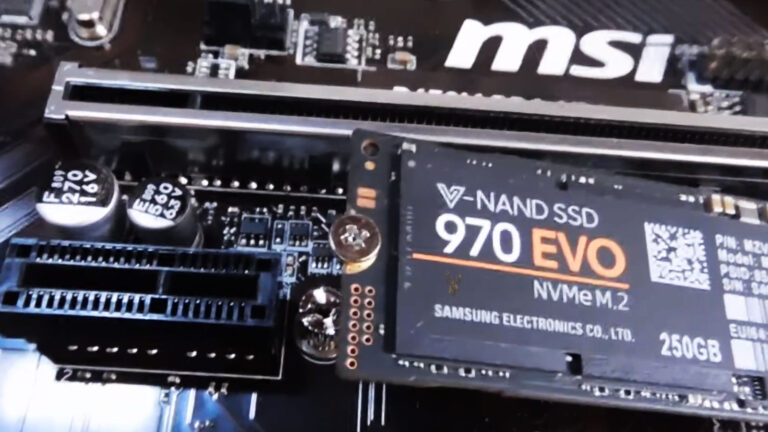
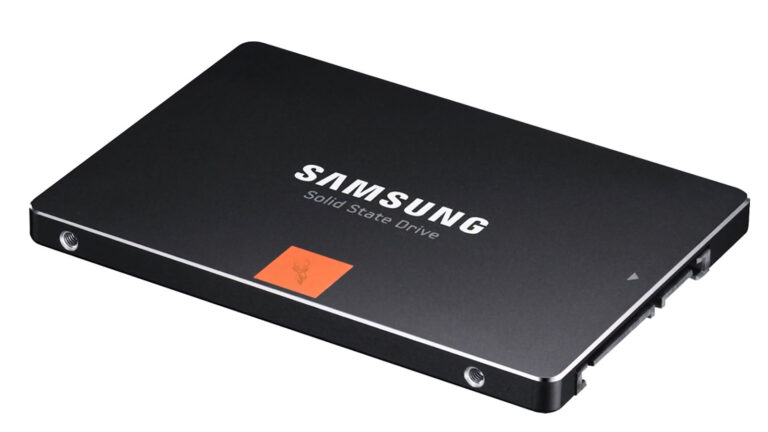
Solid-State Drives Do Not Produce Mechanical Noise
Solid-state drives contain no spinning platters or moving read-write heads. An SSD therefore cannot create the clicking or grinding sounds associated with a mechanical hard drive.
If a computer equipped only with solid-state storage produces a mechanical noise, the source is more likely to be a cooling fan, speaker, optical drive, power supply, or another component. The SSD can still fail electronically, but it normally does so without mechanical sound.
- SSD failure may occur silently.
- Freezing does not necessarily identify the source of the noise.
- A nearby fan may be mistaken for a storage device.
- Electrical noise may originate from power circuitry.
- The complete hardware configuration should be confirmed before identifying the source.
Optical Drives Can Become Loud While Reading a Disc
CD, DVD, and Blu-ray drives rotate discs at high speed. A noticeable spinning sound can be normal while the drive reads information, but vibration, scraping, repeated loading attempts, or unusually loud operation may indicate a damaged disc or mechanical problem.
A disc that is warped, cracked, unbalanced, or covered with a heavy label can vibrate inside the drive. The tray mechanism and internal motor can also wear over time.
| Optical-Drive Sound | Possible Direction |
|---|---|
| Normal spinning during disc access | The drive may be operating as designed. |
| Strong vibration with one disc | The disc may be damaged or unbalanced. |
| Repeated start-and-stop sounds | The drive may be struggling to read the disc. |
| Scraping from inside the drive | The disc or internal mechanism may be contacting improperly. |
| Noise continues without a disc | The tray motor or internal mechanism may be defective. |
A cracked or visibly damaged disc should not be used because high-speed rotation can cause it to break inside the drive.
Power Supplies Can Produce Buzzing or Humming Sounds
A desktop power supply contains a cooling fan, transformers, coils, capacitors, and other electrical components. Some units produce a faint steady hum during normal operation, but a new or unusually loud buzzing sound can indicate fan wear, electrical vibration, unstable power, or internal component deterioration.
The sound may become more noticeable when the computer is under load because the power supply is delivering more current and generating additional heat. A buzzing noise that appears together with random shutdowns, restarts, burning odors, or unstable performance deserves prompt attention.
| Power-Supply Sound | Possible Direction |
|---|---|
| Soft continuous hum | Normal transformer or fan operation may be occurring. |
| Loud buzzing under load | Electrical vibration, power demand, or component wear may be involved. |
| Grinding from the rear of the case | The power-supply fan bearing may be failing. |
| Buzzing with random restarts | Power delivery may be unstable. |
| Crackling or popping | The computer should be powered down and inspected immediately. |
A power supply should not be opened casually because internal components can retain dangerous electrical energy even after the computer has been disconnected.
Coil Noise Can Change With Workload
Some electrical components vibrate slightly as current passes through them. This can produce a high-pitched squeal, chirp, or buzzing sound commonly associated with coils on graphics cards, power supplies, or motherboards.
The sound may change when frame rates increase, the processor becomes busy, or the computer moves between idle and heavy workloads. In many cases, coil noise does not indicate immediate failure, but a new sound should still be evaluated if it becomes loud or appears together with instability.
- The pitch changes when a game menu opens.
- The noise becomes louder at very high frame rates.
- The sound appears only during graphics-intensive work.
- The computer remains otherwise stable.
- The noise is strongest near the graphics card or power supply.
Coil noise is different from crackling, arcing, or burning sounds, which can indicate a more serious electrical condition.
Speaker Noise May Be Mistaken for Internal Hardware Failure
Buzzing, popping, static, or humming may come from speakers, headphones, or the computer’s audio system rather than from a mechanical component. Electrical interference, damaged audio cables, poor grounding, loose connectors, and faulty speakers can all create unusual sound.
Muting the audio or disconnecting external speakers can help determine whether the noise is being produced electronically through the sound system.
| Audio Behavior | Possible Direction |
|---|---|
| Noise stops when speakers are unplugged | The sound likely originates from the audio equipment. |
| Hum changes when touching the audio cable | Grounding or connector contact may be involved. |
| Popping occurs when devices power on | Electrical switching or speaker circuitry may be responsible. |
| Static changes with mouse movement | Electrical interference may be entering the audio path. |
| Noise continues with audio muted | The source may be mechanical or electrical elsewhere in the computer. |
Loose Case Panels Can Create Rattling and Vibration
Computer cases contain side panels, drive cages, filters, screws, brackets, and plastic trim that can loosen over time. Vibration from fans and mechanical hard drives may cause these parts to rattle even when the underlying hardware remains functional.
The noise may stop when light pressure is applied to the case or when the computer is repositioned. Although this type of vibration is often less serious than a failing drive or fan, it should still be corrected so loose parts do not contact moving components or electrical circuitry.
- The noise stops when the side panel is held.
- A missing screw allows the panel to vibrate.
- A drive cage or bracket is not fully secured.
- A removable dust filter rattles against the case.
- The sound changes when the computer is moved slightly.
Loose panels should be secured without overtightening screws or forcing misaligned parts into place.
Mechanical Vibration Can Travel Through the Desk
A sound that appears to come from inside the computer may actually be amplified by the desk, shelf, floor, or nearby furniture. Mechanical hard drives and cooling fans produce small vibrations that can become much louder when transferred into a hollow surface.
Rubber feet, mounting pads, drive grommets, and secure brackets are intended to reduce this vibration. Missing or damaged supports can allow normal movement to become an irritating humming or resonating sound.
| Vibration Pattern | Possible Explanation |
|---|---|
| Noise changes when the case is lifted slightly | The desk or floor may be amplifying vibration. |
| Hum is louder on a hollow cabinet | The surface may be acting as a resonating chamber. |
| Sound stops when a panel is pressed | A loose panel or bracket may be vibrating. |
| Hard-drive activity changes the noise | The drive mounting may be transferring vibration. |
| Noise varies with fan speed | A fan or its mounting may be transmitting movement. |
Reducing vibration should not involve blocking ventilation or placing the computer on a soft surface that restricts airflow.
Laptop Fan Noise Can Increase as Internal Airflow Becomes Restricted
Laptop cooling systems rely on small fans, narrow air channels, and compact heatsinks. Dust accumulation can reduce airflow more quickly than it does in a larger desktop case, causing the fan to operate at higher speed for longer periods.
The fan may remain loud during web browsing or other light activity if internal temperatures are already elevated. A blocked intake, clogged heatsink, failed temperature sensor, or dried thermal compound can contribute to the condition.
- The fan becomes loud soon after startup.
- Airflow from the vent feels weak.
- The keyboard or bottom cover becomes unusually hot.
- Performance slows while the fan remains at high speed.
- The laptop shuts down during demanding work.
A consistently loud laptop fan may be compensating for a cooling problem rather than failing mechanically.
A Laptop Fan Can Also Develop Bearing Noise
Small laptop fans rotate at high speed and can develop worn bearings, damaged blades, or imbalance. The resulting sound may resemble grinding, buzzing, rattling, or a small object moving inside the enclosure.
The noise may change when the laptop is tilted because gravity affects the worn fan bearing. A failing fan can eventually stop, causing rapid overheating and automatic shutdowns.
| Laptop Fan Behavior | Possible Concern |
|---|---|
| Grinding is strongest during startup | The fan bearing may be worn. |
| Noise changes when the laptop is tilted | The fan shaft or bearing may have excessive movement. |
| Fan starts and stops irregularly | The motor, wiring, or controller may be unstable. |
| Rattling follows a drop or impact | The fan blades or housing may have been damaged. |
| No airflow is present despite high temperature | The fan may have stopped completely. |
A laptop should not continue operating under heavy load when its cooling fan has stopped or is making severe mechanical noise.
Noises That Appear Only Under Load Can Reveal Stress
Some sounds occur only when the processor, graphics card, storage device, or power supply is working harder. Gaming, video rendering, file transfers, software installation, and system scans can increase fan speed, electrical demand, and drive activity.
A workload-related noise is not automatically abnormal, but a new sound that appears consistently under stress can reveal a component approaching its limits.
- Fans become louder as processor temperature rises.
- Coil noise changes with graphics frame rate.
- A hard drive clicks while reading large files.
- The power supply buzzes during heavy graphics use.
- Case vibration increases as fan speed changes.
Observing which activity triggers the sound can help identify the component most likely responsible.
Electrical Crackling and Popping Require Immediate Attention
Crackling, popping, snapping, or sparking sounds are not normal computer operating noises. They can indicate electrical arcing, a damaged connector, failing power circuitry, liquid contamination, or a component that is overheating internally.
If one of these sounds appears, especially with smoke, a burning odor, flickering lights, or sudden shutdown, the computer should be turned off and disconnected from electrical power as soon as it is safe to do so.
| Warning Sign | Recommended Response |
|---|---|
| Crackling from the power supply | Power down and avoid further use. |
| Popping with a burning odor | Disconnect electrical power when safe. |
| Sparks near a connector | Do not reconnect the affected device. |
| Smoke from the computer | Shut down immediately and move away from the equipment if necessary. |
| Repeated electrical noise after restart | Stop testing and inspect the hardware. |
Repeatedly powering on a computer with active electrical symptoms can increase damage and create a safety risk.
Burning Odors Make the Noise More Concerning
A new sound accompanied by the odor of hot plastic, burned insulation, or overheated electronics should be treated more seriously than noise alone. The source may involve a power connector, motor, fan, circuit board, adapter, or power supply.
The odor may remain after the component has cooled, making visual inspection important. Discolored plastic, melted connectors, darkened circuit areas, and damaged cable insulation can reveal where excessive heat occurred.
- Grinding and a hot smell may indicate a stalled fan motor.
- Buzzing with burned-plastic odor may involve a damaged connector.
- Clicking with electrical odor may point toward power circuitry rather than a drive.
- Smoke residue may remain near the failed component.
- The computer should not be restarted until the source is understood.
Some Noises Disappear Before the Underlying Problem Is Resolved
A worn fan may become quiet after warming, a loose cable may move away from the blades, or a hard drive may stop clicking temporarily after it initializes. The disappearance of the sound does not necessarily mean the component has returned to reliable condition.
Intermittent noises are often difficult to reproduce, so recording when they occur can help identify the cause. The startup stage, workload, temperature, computer position, and length of operation may all affect the sound.
| Intermittent Pattern | Possible Explanation |
|---|---|
| Noise appears only during cold startup | A worn fan bearing or mechanical drive may change after warming. |
| Sound stops when the case is moved | A cable, panel, or loose component may shift position. |
| Noise appears after extended use | Heat or increased fan speed may expose the problem. |
| Clicking stops after several attempts | A drive may eventually initialize despite developing failure. |
| Buzzing changes with workload | Electrical demand or fan speed may influence the source. |
A recurring unusual sound should be investigated even when the computer continues operating normally between incidents.
Listening Carefully Can Help Narrow the Source
An unusual sound often changes depending on which internal component is active. Identifying whether the noise appears during startup, while opening files, under heavy processor load, or only after the computer has been operating for some time can help reduce the number of possible causes.
The goal is not to diagnose the problem by sound alone but to recognize patterns that can guide a more complete inspection. Observing when the sound begins, how long it lasts, and whether it changes with workload provides useful information during troubleshooting.
| When the Noise Appears | Possible Area to Examine |
|---|---|
| Immediately after power-on | Cooling fans, storage devices, or power supply startup. |
| Only during file access | Mechanical storage devices or optical drives. |
| During gaming or heavy graphics work | Graphics cooling, processor cooling, or electrical components. |
| After the computer warms up | Heat-related fan wear or expanding mechanical parts. |
| Continuously regardless of workload | A mechanical component or electrical source may require inspection. |
The more consistently the sound can be reproduced, the easier it becomes to compare it with other operating conditions.
Visual Inspection Often Confirms What the Sound Suggests
Mechanical noises are frequently accompanied by visible signs of wear or damage. Dust accumulation, loose mounting hardware, damaged fan blades, worn cables, discolored connectors, and vibration marks can help explain sounds that are difficult to identify by listening alone.
Inspection should always be performed safely. Moving fan blades, energized electrical components, and exposed circuitry can create hazards if handled improperly while the computer is powered.
- Check for excessive dust around cooling fans.
- Look for loose screws or mounting brackets.
- Inspect cables near rotating fans.
- Look for discoloration around power connectors.
- Watch for vibration marks where components contact the case.
A visual inspection often supports the observations made from the sound itself, making diagnosis more reliable.
Compressed Air Can Remove Dust but Does Not Repair Mechanical Wear
Cleaning accumulated dust can improve airflow and reduce unnecessary fan speed, but it cannot restore worn bearings, damaged motors, cracked blades, or failing storage devices. A fan that continues grinding after cleaning usually has a mechanical problem rather than an airflow problem.
When compressed air is used, cooling fans should generally be prevented from spinning freely because excessive speed can place unnecessary stress on the bearings and electrical circuitry connected to the fan motor.
| Cleaning Result | Possible Interpretation |
|---|---|
| Fan becomes quieter | Dust restriction may have contributed to the noise. |
| Grinding remains unchanged | The fan bearing may already be worn. |
| Temperatures improve after cleaning | Airflow may have been restricted previously. |
| Noise returns quickly | A mechanical component may require replacement. |
| Dust removal changes nothing | The source may be unrelated to cooling airflow. |
Cleaning is preventive maintenance, not a substitute for replacing worn mechanical components.
Replacing a Fan Can Prevent More Serious Damage
A noisy cooling fan may continue operating for some time, but reduced airflow eventually increases temperatures throughout the computer. Processors, graphics hardware, storage devices, voltage regulators, and other components all depend on effective cooling.
Replacing a worn fan before complete failure can prevent overheating, unexpected shutdowns, reduced performance, and secondary damage caused by prolonged high temperatures.
- Grinding becomes progressively louder.
- The fan occasionally stops spinning.
- Temperature warnings begin appearing.
- The computer throttles performance frequently.
- Cooling efficiency continues to decrease.
Cooling components are often less expensive to replace than hardware damaged by prolonged overheating.
Noisy Mechanical Drives Deserve Special Attention
Unlike cooling fans, a mechanical hard drive may contain valuable personal or business information. Clicking, scraping, or repeated spin attempts can indicate that continued operation may become increasingly unreliable.
If important files exist only on the affected drive, preserving the information should usually become the priority before extensive testing or repeated restart attempts place additional stress on the internal mechanism.
| Drive Condition | Recommended Priority |
|---|---|
| Drive operates normally without unusual sound | Continue routine monitoring. |
| Intermittent clicking begins | Protect important files as soon as practical. |
| Clicking increases while performance decreases | Data preservation becomes more urgent. |
| Drive disappears repeatedly | Avoid unnecessary power cycles. |
| Grinding follows physical impact | Mechanical damage should be considered immediately. |
Repeated attempts to force a damaged drive to operate can reduce the opportunity to recover important information later.
Not Every Noise Means Immediate Failure
Some computers produce harmless electrical coil noise, increased airflow during demanding work, or temporary optical-drive sounds while reading media. These sounds may remain consistent throughout the life of the hardware without indicating that replacement is necessary.
The concern increases when a familiar sound changes noticeably, appears together with performance problems, or continues becoming louder over time.
- The sound is new.
- The volume continues increasing.
- Performance changes accompany the noise.
- Temperatures become unusually high.
- Additional hardware symptoms begin appearing.
Changes in operating behavior generally provide more meaningful information than the presence of sound alone.
Documenting the Noise Can Make Diagnosis Easier
Mechanical sounds are sometimes absent by the time the computer is examined. Recording when the sound occurs, what the computer was doing, and whether it changes with workload can make intermittent problems easier to reproduce.
A short audio or video recording can also help compare future changes if the sound gradually becomes louder or begins occurring more frequently.
| Useful Observation | Why It Helps |
|---|---|
| Startup versus warm operation | Separates cold-start behavior from heat-related changes. |
| Idle versus heavy workload | Shows whether demand influences the sound. |
| Exact location of the noise | Narrows the number of possible components. |
| Audio recording | Captures intermittent sounds for comparison. |
| Date the sound first appeared | Helps identify gradual progression over time. |
Small details about the sound often become valuable when comparing several possible causes.
Several Small Symptoms Together Create a Stronger Warning
An unusual sound becomes more significant when it appears together with freezing, overheating, startup failures, unexpected shutdowns, slow file access, burning odors, or repeated blue screen errors. Looking at the complete behavior of the computer usually produces a more accurate diagnosis than evaluating the sound by itself.
Readers experiencing overheating together with unusually loud cooling fans may also find Common Causes of Laptop Overheating useful. Heat and mechanical fan problems often develop together and can produce several symptoms at the same time.
Following the Sound Back to Its Source
Unusual computer noises can originate from cooling fans, mechanical storage devices, optical drives, power supplies, loose hardware, electrical components, or vibration within the enclosure. While some sounds reflect normal operation, a new or changing noise often signals that a component deserves closer inspection.
Observing when the sound appears, where it originates, how it changes under different workloads, and whether additional symptoms develop helps narrow the possible causes. Combining careful observation with safe inspection and timely attention to important data can prevent minor mechanical problems from becoming more significant hardware failures.