What Determines Whether Important Files Can Still Be Recovered
A failed hard drive does not always mean that every file stored on it has been permanently lost. In many situations, the information remains present even though Windows can no longer access it normally. The possibility of recovery depends on what failed, how severe the damage has become, and what happened after the first warning signs appeared.
Some hard drives stop working because of damaged file structures, deleted partitions, corrupted operating systems, or communication errors. Others suffer electronic faults, head damage, motor problems, impact damage, or deterioration of the magnetic platters where the information is physically stored.
These conditions require very different recovery approaches. A method that is appropriate for a logically damaged drive may place additional stress on a mechanically failing one. Understanding the type of failure is therefore one of the most important steps before recovery attempts begin.
Failure Does Not Always Mean the Same Thing
The word “failed” is often used for any drive that no longer opens normally, but several very different conditions can produce that result. A computer may detect the drive but report that it must be formatted. Another drive may disappear completely from the BIOS. A third may click repeatedly while the computer struggles to start.
These symptoms provide clues about whether the problem is more likely logical, electronic, mechanical, or related to the connection between the drive and the computer.
| Observed Behavior | Possible Type of Failure |
|---|---|
| Drive is detected but files cannot be opened | Logical corruption or file-system damage |
| Drive asks to be formatted | Partition or file-system problem |
| Drive clicks repeatedly | Mechanical or read-head failure |
| Drive does not spin or respond | Electronic, motor, or power-related failure |
| Drive disconnects during file transfers | Communication, power, electronic, or developing hardware problem |
Identifying the failure category does not guarantee recovery, but it helps determine which actions are appropriate and which ones may create additional risk.
Logical Failure
Logical failure occurs when the drive hardware is still capable of reading and writing data, but the information required to organize the files has become damaged or inaccessible. Windows may no longer recognize the partition, folders may disappear, or the operating system may report that the drive contains errors.
Common causes include accidental deletion, formatting, damaged partition tables, corrupted file systems, interrupted updates, malware, and sudden power loss while information is being written.
- Files were deleted accidentally.
- A partition disappeared.
- The drive was formatted unintentionally.
- Windows reports that the file system is damaged.
- The computer no longer starts even though the drive remains detected.
Logical recovery often has a better outlook when the drive remains physically stable and no new information has overwritten the missing data.
Electronic Failure
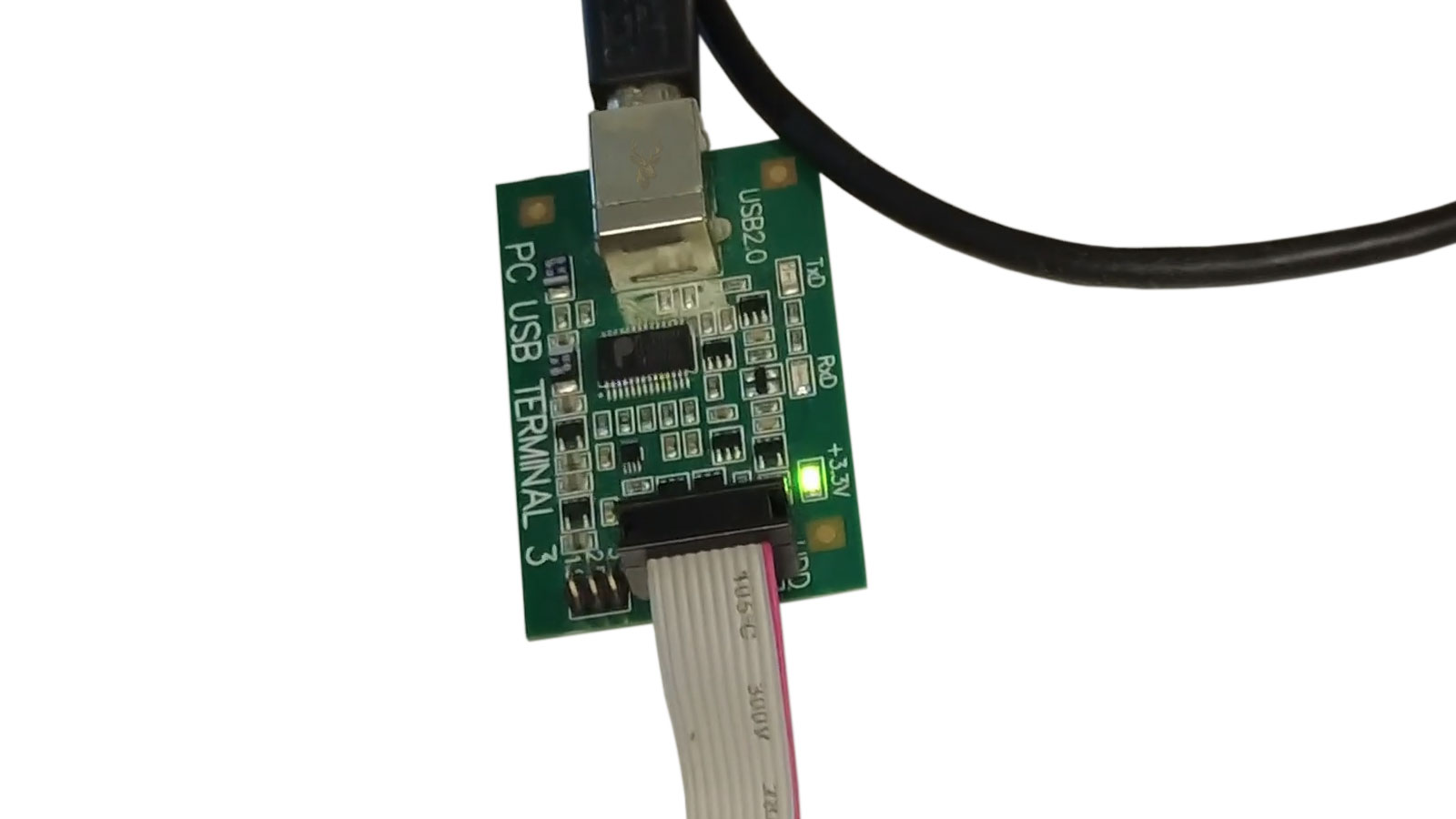
Hard drives contain an electronic circuit board that controls communication, power regulation, motor operation, and the movement of the internal read-and-write system. A surge, failed component, damaged connector, or electrical short can prevent the drive from operating even when the magnetic platters remain physically intact.
An electronically failed drive may show no signs of life, may not spin, or may prevent the computer from recognizing it. In some cases, visible damage appears on the external circuit board. In others, the failed component cannot be identified without electrical testing.
Replacing the circuit board with one from another drive is rarely as simple as matching the model number. Modern drives often store unique calibration and adaptive information that must remain matched with the original drive mechanism.
Mechanical Failure
Mechanical failure involves one or more moving parts inside the sealed drive assembly. The motor may no longer spin correctly, the read-and-write heads may fail to locate data, or internal components may become damaged after impact, wear, or contamination.
Repeated clicking is one of the best-known warning signs, but mechanical failure can also produce grinding, buzzing, repeated spin-up attempts, or complete silence. The drive may appear briefly and then disappear as it struggles to initialize.
- Repetitive clicking or knocking
- Grinding or scraping sounds
- Drive spins up and then stops
- Computer freezes whenever the drive is connected
- Drive appears only occasionally
Mechanical failures generally require greater caution because repeated power cycles and intensive scans can place additional stress on already damaged internal components.
Physical Damage to the Platters
The magnetic platters store the actual information inside a traditional hard drive. If the platter surfaces become scratched or contaminated, some data may become permanently unreadable even if other areas remain intact.
Severe impact, failed read heads, internal debris, or continued operation after a mechanical failure can increase the possibility of surface damage. The extent and location of that damage strongly influence how much information may still be recoverable.
This is one reason repeated attempts should be avoided when a drive produces mechanical noises. Continued operation may reduce the number of readable areas that remain available for recovery.
The First Actions Matter
What happens immediately after the failure can affect the recovery outcome. A logically damaged but physically healthy drive may tolerate careful software analysis, while a clicking drive may deteriorate further each time it is powered on.
- Stop using the drive if unusual mechanical sounds are present.
- Avoid formatting when Windows says the drive must be formatted.
- Do not install recovery software onto the same drive.
- Do not copy new files to a drive containing deleted data.
- Protect the original device before attempting repairs.
- Decide how valuable and irreplaceable the information is before proceeding.
A careful response preserves more options. Aggressive troubleshooting may feel productive, but it can reduce the amount of recoverable information when the storage device is physically unstable.
Deleted Files May Still Remain on the Drive
Deleting a file does not always remove its contents immediately. In many file systems, the operating system first marks the space as available for future use while leaving much of the original information in place until new data overwrites it.
This is why recovery may still be possible after accidental deletion, especially when the computer is stopped soon afterward. Continued use increases the chance that temporary files, updates, downloads, or ordinary system activity will reuse the same storage areas.
- Stop saving new files to the affected drive.
- Avoid installing recovery software on that same drive.
- Do not continue ordinary browsing or application use unnecessarily.
- Recover files to a different storage device.
- Preserve the original drive whenever the information is important.
The amount of data that remains recoverable depends on how much activity occurred after deletion and whether the original storage locations have already been reused.
Formatting Does Not Always Erase Everything Immediately
Formatting changes the structures Windows uses to organize files and prepare a volume for storage. Depending on the type of format performed, some original data may remain physically present even though the previous folders and filenames are no longer visible.
A quick format generally replaces file-system information without deliberately writing across every storage location. A full format may perform additional operations and can reduce recovery possibilities, particularly when the process writes through large areas of the drive.
Recovery after formatting depends on the file system, the type of format, the amount of new data written afterward, and the condition of the storage device. Continuing to use the drive after formatting can overwrite the very information that recovery software or specialized tools would otherwise attempt to locate.
Lost Partitions Can Make an Entire Drive Appear Empty
A partition tells the operating system how a section of the drive is organized. If partition information becomes damaged or deleted, Windows may show the space as unallocated, assign no drive letter, or suggest creating a new volume.
The disappearance of a partition does not necessarily mean that every file inside it has vanished. In some cases, the organizational information is missing while the underlying data remains present.
| What Windows Shows | Possible Explanation |
|---|---|
| Unallocated space | Partition information may be missing or damaged. |
| Drive letter disappears | Volume assignment or file-system problem. |
| “You need to format the disk” message | Windows cannot interpret the existing file system. |
| Incorrect drive capacity | Partition table, firmware, or hardware issue. |
| Volume appears as RAW | File-system structures may be corrupted. |
Creating a new partition or formatting the existing space may overwrite important structural information, so those actions should be avoided until the value of the stored data has been considered.
Clicking Drives Require a Different Approach
A clicking mechanical hard drive should not be treated like an ordinary logical recovery case. Repeated clicking often means the internal read-and-write system cannot initialize correctly, locate expected information, or maintain stable access to the platters.
Running long scans, restarting the computer repeatedly, or attempting several recovery programs may keep the damaged mechanism operating under stress. If the drive’s condition is deteriorating, every additional attempt may reduce the time available to retrieve readable information.
- Repeated clicking at regular intervals
- Drive appears briefly and then disappears
- Computer freezes when the drive is connected
- Very slow access followed by read errors
- Repeated spin-up and shutdown behavior
When irreplaceable files are involved, the safest recovery strategy may be very different from the steps used for a stable drive with only file-system corruption.
Repeated Scanning Can Increase Wear
Recovery software often reads large portions of a drive while searching for lost files and damaged structures. This can be appropriate for a physically stable device, but it may place substantial workload on a drive that is already failing mechanically or electronically.
A scan that repeatedly stops on unreadable areas may keep the heads attempting the same damaged locations for extended periods. The drive may become warmer, slower, or less responsive as the process continues.
The condition of the hardware should therefore be evaluated before long recovery scans begin. The most powerful software available cannot protect a mechanically unstable drive from additional physical deterioration.
Creating a Clone Can Protect the Original
When a drive remains readable but shows signs of instability, recovery work is often safer when performed on a sector-by-sector copy rather than directly on the original device. This process attempts to duplicate as much readable information as possible onto another storage device.
The clone becomes the working copy for file-system repair, partition analysis, and recovery software. The original drive can then remain unchanged in case another attempt or a different method becomes necessary.
- Evaluate whether the drive is stable enough to read.
- Copy readable sectors to another device.
- Record areas that cannot be read successfully.
- Perform logical recovery on the duplicate rather than the original.
- Preserve the source drive until important files are confirmed.
Cloning does not repair damaged hardware, and it may not be appropriate for every mechanical failure. Its purpose is to reduce repeated access to the original while preserving the best available copy of the readable data.
Overwritten Data Is Much Harder to Recover
Recovery becomes more difficult when new information has been written over the storage areas that once held the missing files. Once the original content has been replaced, recovery tools may locate filenames, fragments, or damaged records without being able to reconstruct the complete file.
Ordinary computer use can create new data continuously. Browser caches, Windows logs, updates, downloaded files, temporary documents, and application activity may all write to the drive even when the user is not intentionally saving anything.
| Action After Data Loss | Possible Effect |
|---|---|
| Continuing normal computer use | New temporary data may overwrite deleted content. |
| Installing recovery software on the same drive | Installation files may replace recoverable areas. |
| Downloading recovered files back to the source | Recovered data may overwrite other missing files. |
| Reinstalling Windows | System files may replace large portions of previous data. |
| Creating a new partition | Existing structures may be altered or overwritten. |
Recovering the Files Is Different From Repairing the Drive
Data recovery and drive repair are not the same objective. Recovery focuses on retrieving important files from a device that can no longer be trusted. Repairing a drive would imply restoring it to dependable long-term operation, which is often not practical after serious hardware failure.
A drive may temporarily become readable after an electronic or mechanical intervention, but that does not mean it should return to ordinary use. The temporary access may exist only long enough to copy the information to a healthy device.
Once recovery is complete, the failed drive should generally be treated as unreliable. The recovered files belong on new storage, and additional backups should be created before the replacement device becomes the only remaining copy.
Solid-State Drives Require a Different Recovery Strategy
Although this article focuses primarily on traditional mechanical hard drives, many computers now use solid-state drives (SSDs). Data recovery from SSDs differs in several important ways because these devices store information electronically rather than on spinning magnetic platters.
Modern SSDs often perform background maintenance operations such as garbage collection and TRIM, which can permanently remove information that would have remained available longer on a conventional hard drive. As a result, recovery opportunities may change much more quickly after files are deleted or a drive fails.
The overall objective remains the same protect the existing information but the methods used to recover data from SSDs often differ significantly from those used for mechanical storage devices.
Connection Problems Can Resemble Drive Failure
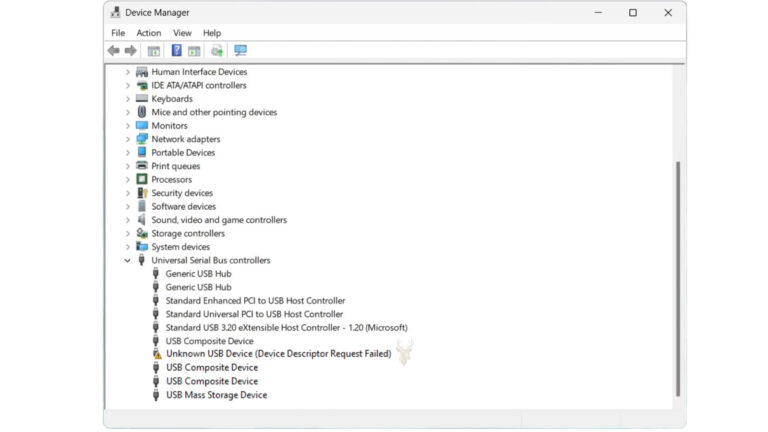
Not every inaccessible drive has actually failed. Loose SATA cables, damaged USB adapters, unstable power connections, defective external enclosures, or communication problems between the computer and the storage device may all prevent Windows from reading the drive correctly.
When the storage device itself remains healthy, correcting the communication problem may restore normal access without requiring file recovery procedures. Distinguishing between a failed drive and a failed connection is therefore an important part of the diagnostic process.
- Loose or damaged SATA cable.
- Defective USB enclosure.
- Unstable external power supply.
- Damaged USB connector.
- Communication errors between the drive and motherboard.
Not Every File Can Always Be Recovered
The success of data recovery depends on many factors, including the condition of the storage device, the type of failure, how much of the original information remains readable, and what occurred after the problem first appeared. Some files may be recovered completely, others only partially, and some may no longer exist in a usable form.
For this reason, responsible recovery work focuses on preserving every readable portion of the data rather than promising that every missing file can always be restored. The earlier the situation is evaluated, the greater the opportunity to preserve what still remains available.
Regular Backups Remain the Best Recovery Plan
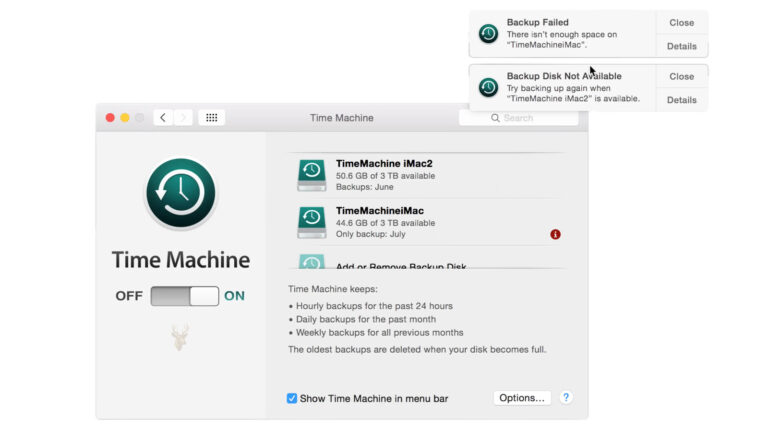
Data recovery becomes necessary only after something has already gone wrong. Maintaining current backups greatly reduces the pressure of hardware failures because the information already exists in another location. External drives, network storage, and cloud-based backup systems all provide ways to maintain additional copies of important files.
Even a successful recovery should serve as a reminder that every storage device eventually reaches the end of its useful life. A reliable backup strategy protects information regardless of whether the next problem involves accidental deletion, hardware failure, electrical damage, or another unexpected event.
| Backup Practice | Benefit |
|---|---|
| External backup drive | Provides an additional local copy of important files. |
| Cloud backup | Protects data even if the computer is lost or damaged. |
| Scheduled automatic backups | Reduces the chance of forgetting to create copies manually. |
| Multiple backup locations | Protects against a single point of failure. |
| Periodic verification | Confirms that backup files remain readable. |
When the Information Is More Valuable Than the Drive
Most storage devices can be replaced. Family photographs, business records, research projects, financial information, and years of personal work often cannot. When the value of the stored information exceeds the value of the hardware itself, recovery decisions should prioritize preserving the data rather than restoring the drive to service.
That perspective helps guide the next steps after a failure occurs. Continuing to experiment with a mechanically unstable drive or repeatedly powering it on may place irreplaceable information at greater risk than simply replacing the hardware later.
Additional information about storage-related hardware problems is available in our article Common Signs of a Failing Hard Drive, which explains many of the warning symptoms that can appear before complete failure occurs.
Making Better Decisions After a Storage Failure
Data recovery begins with understanding what type of failure has occurred rather than assuming every inaccessible drive requires the same solution. Logical corruption, electronic faults, mechanical damage, and physical platter deterioration each affect recovery differently and call for different approaches.
The actions taken immediately after a failure often influence the final outcome. Avoiding unnecessary writing, limiting repeated power cycles on mechanically unstable drives, and protecting the original storage device can preserve opportunities that may otherwise be lost.
Although no recovery method can guarantee that every file will always be restored, careful evaluation, appropriate handling, and consistent backup practices provide the strongest foundation for protecting valuable information whenever a storage device stops working as expected.