Recognizing Storage Problems Before Important Files Are Lost
A hard drive can begin failing long before the computer stops working completely. In many cases, the first warning signs appear as slower performance, unusual noises, missing files, repeated errors, or difficulty starting Windows. These symptoms should not automatically be ignored as ordinary computer problems because a deteriorating drive can eventually become unreadable.
Mechanical hard drives contain moving components that read and write information from rotating magnetic platters. These internal parts experience wear over time and can also be damaged by heat, impact, unstable power, manufacturing defects, or contamination inside the sealed drive assembly. Recognizing the early signs of failure can provide valuable time to protect important documents, photographs, business records, and other files.
The Computer Becomes Unusually Slow
A computer that suddenly becomes much slower may be experiencing difficulty reading information from the hard drive. Programs may take longer to open, folders may hesitate before displaying their contents, and routine actions may cause the system to temporarily stop responding.
Slow performance does not always mean that a hard drive is failing. Limited memory, excessive startup programs, malware, overheating, Windows problems, and insufficient free space can produce similar symptoms. However, storage failure becomes more likely when the slowdown appears suddenly or is accompanied by freezing, unusual noises, file errors, or startup problems.
- Programs take much longer than usual to open.
- Folders remain blank while the computer attempts to load their contents.
- The mouse still moves, but Windows stops responding to commands.
- File transfers begin normally and then slow down or stop.
- The hard drive activity light remains active for extended periods.
Clicking, Grinding, or Repetitive Mechanical Noises
Unusual mechanical sounds are among the most serious warning signs of hard drive trouble. A healthy mechanical drive normally produces a light spinning sound and occasional quiet movement while accessing information. Repetitive clicking, grinding, scraping, or repeated attempts to spin up may indicate that an internal component is no longer operating correctly.
A repeated clicking sound can occur when the read-and-write heads cannot locate the expected information or return to the correct position. Grinding or scraping may suggest physical contact or damage inside the drive. Continuing to operate a drive that is making severe mechanical noises can increase the possibility of additional damage.
- Repeated clicking at regular intervals
- A drive that spins up and then shuts down repeatedly
- Grinding or scraping sounds during startup
- Unusual buzzing combined with failure to detect the drive
When important data is stored on a drive producing these sounds, repeatedly restarting the computer is usually not the safest approach. The drive may require careful evaluation before further attempts are made to access it.
Files Disappear or Become Corrupted
File corruption can appear in several ways. A document may no longer open, a photograph may display only partially, a folder may become inaccessible, or a program may report that required information is missing. These problems can occur when the drive is unable to read or write data reliably.
Occasional file corruption can also result from interrupted updates, software crashes, sudden power loss, or improper shutdowns. The situation becomes more concerning when multiple unrelated files begin failing or when corrupted information repeatedly appears in different locations.
- Documents open with errors or display unreadable information.
- Photographs show missing sections, distortion, or unexpected colors.
- Folders disappear and later reappear.
- Files cannot be copied from one location to another.
- Programs report missing or damaged files.
Windows Freezes or Restarts During Drive Activity
A failing hard drive can cause the operating system to freeze while it waits for information that the drive cannot provide. The computer may become unresponsive while opening a folder, saving a file, installing a program, or loading Windows.
In some cases, the system may restart unexpectedly or display an error after attempting to access a damaged area of the drive. These symptoms can resemble memory, motherboard, driver, or power problems, so proper diagnosis is important before replacing parts.
The Computer Has Difficulty Starting
Startup problems can develop when Windows files are stored in sections of the drive that are becoming difficult to read. The computer may remain on the loading screen, enter automatic repair repeatedly, display a disk-related message, or report that no operating system was found.
- Windows takes much longer than normal to reach the desktop.
- The computer repeatedly enters Startup Repair.
- A message reports that a boot device cannot be found.
- The BIOS detects the drive only occasionally.
- The computer starts after several attempts but later fails again.
A missing boot device does not always mean that the hard drive itself has failed. A damaged cable, loose connection, incorrect BIOS setting, corrupted operating system, or motherboard problem can create similar behavior. The drive and its connections should be evaluated before a conclusion is reached.
Bad Sectors and Repeated Disk Errors
A hard drive stores information across many small physical areas. When one of these areas can no longer hold or return data reliably, it may be identified as a bad sector. A limited number of sectors can sometimes be replaced internally with reserved storage areas, but a growing number of bad sectors may indicate continuing deterioration.
Windows may report file-system errors, request a disk check, or warn that a problem has been detected. Diagnostic software may also report reallocated sectors, pending sectors, uncorrectable errors, or other changes in the drive’s health information.
| Warning | Possible Meaning | Recommended Response |
|---|---|---|
| Repeated disk-check requests | File-system damage or unreadable storage areas | Protect important files and evaluate the drive |
| Bad-sector warnings | Sections of the drive may no longer store data reliably | Avoid unnecessary writing and confirm drive health |
| SMART warning | The drive has recorded internal reliability problems | Back up important data and consider replacement |
| Read or write errors | The drive cannot reliably access certain information | Stop repeated operations if valuable data is involved |
| Drive disappears | Connection, electronics, power, or internal failure | Inspect connections and diagnose the drive |
The Hard Drive Is Not Always Detected
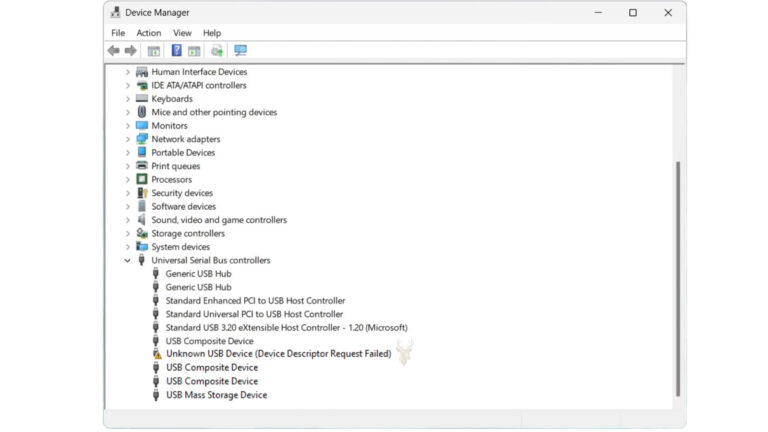
An unstable drive may appear normally during one startup and disappear during the next. It may be visible in the BIOS but not in Windows, or Windows may detect it briefly before it disconnects. This behavior can result from internal electronic problems, unstable power, damaged connectors, or failing components inside the drive.
External hard drives can show similar symptoms because of a damaged USB cable, failing enclosure, loose port, or insufficient power. Testing should separate the storage device from the cable and enclosure before the drive itself is declared defective.
What to Do When a Hard Drive May Be Failing
The correct response depends on the condition of the drive and the importance of the information stored on it. A drive that is still operating quietly and consistently may allow important files to be copied. A drive that is clicking, disconnecting, or becoming less readable may require a more cautious approach.
- Stop creating unnecessary new files. Writing additional information can place more activity on the drive and may overwrite recoverable deleted data.
- Protect the most important files first. Prioritize documents, photographs, financial records, business information, and files that cannot be replaced.
- Avoid repeated restarts when the drive is making mechanical noises. Each startup attempt may place additional stress on damaged internal parts.
- Do not initialize or format an unfamiliar drive. A computer may suggest formatting a drive that contains damaged or inaccessible data. Formatting can complicate recovery.
- Confirm whether the problem is the drive or another component. Cables, power supplies, motherboard ports, enclosures, and operating-system corruption can imitate drive failure.
- Replace the drive after the information is protected. A drive showing continuing health problems should not be trusted with important data.
Actions That Can Make the Situation Worse
Some troubleshooting steps are appropriate for ordinary software problems but may be risky when a storage device is physically failing. Before running intensive repair operations, consider whether the information on the drive is more valuable than the drive itself.
- Running repeated full-disk scans on a clicking or unstable drive
- Installing recovery software onto the same drive that contains the lost files
- Formatting the drive because Windows cannot open it
- Opening a mechanical hard drive outside an appropriate controlled environment
- Repeatedly turning the computer on and off while the drive struggles to spin
- Continuing normal use after serious warning signs appear
Hard Drive Failure Is Not Always Predictable
Some hard drives provide several warnings before failing. Others stop working suddenly because of an electronic fault, impact, motor failure, or damaged internal component. A drive can also appear healthy while containing developing problems that have not yet affected frequently used files.
For this reason, a backup should not begin only after warning signs appear. Important files should exist in more than one location before a storage device becomes unreliable. An external drive, another computer, network storage, or a carefully selected cloud backup can provide an additional copy.
When Professional Evaluation May Be Appropriate
Professional evaluation may be appropriate when the drive contains important information, makes unusual mechanical sounds, disappears repeatedly, prevents the computer from starting, or produces errors during file transfers. The goal is to determine whether the problem involves the drive, its connection, the computer, or the operating system before unnecessary changes are made.
When files are already inaccessible, the condition of the storage device should guide the next step. Logical problems may involve damaged partitions, deleted files, or corrupted file systems. Physical problems may involve the heads, motor, electronics, platters, connectors, or other internal components. These situations require different handling methods.
Additional information about failed and inaccessible storage is available on our Data Recovery Services page. General hardware and system troubleshooting information is also available through our PC Repair Services page.
The Bottom Line
A slow computer does not automatically have a failing hard drive, and a single error does not always indicate permanent damage. The greatest concern appears when several warning signs occur together, such as unusual noises, corrupted files, freezing, startup trouble, disappearing storage, and repeated disk errors.
The most important response is to protect valuable information before the drive becomes completely unreadable. Early attention can provide more options, reduce unnecessary stress on the storage device, and prevent an ordinary hardware failure from becoming a permanent data-loss event.