Understanding How SATA Power Reaches Storage Devices
Every SATA hard drive and SATA solid-state drive requires two separate connections before it can operate correctly. One cable carries data between the storage device and the motherboard, while the other supplies electrical power from the computer’s power supply. If either connection is missing or unstable, the drive may fail to function properly.
Although SATA power connectors are generally reliable, they can develop problems over time due to repeated cable movement, poor-quality adapters, damaged connectors, or issues within the power supply itself. Understanding how these connectors work makes it easier to recognize symptoms that may appear long before complete drive failure occurs.
The Purpose of the SATA Power Connector
The SATA power connector delivers multiple voltage levels needed by modern storage devices. Unlike older power connectors used with IDE drives, SATA power was designed to support newer hardware while providing more electrical contacts for improved reliability.
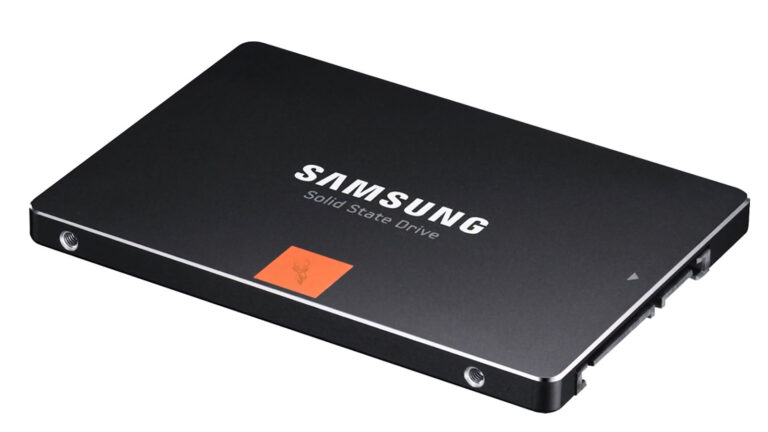
The connector is supplied directly by the computer’s power supply and plugs into the wider of the two connectors located on the back of a SATA storage device.
Power and Data Connectors Are Different
Many people confuse the SATA power connector with the SATA data cable because both connect to the same drive. However, they perform completely different functions.
| Connector | Purpose | Connected To |
|---|---|---|
| SATA Power | Supplies electrical power | Power supply |
| SATA Data | Transfers information | Motherboard SATA port |
A storage device needs both connections to operate normally. A working power connection alone cannot transfer files, while a working data cable alone cannot power the drive.
Why the SATA Power Connector Is Wider
The SATA power connector is noticeably wider than the SATA data connector because it contains fifteen electrical contacts. These contacts distribute multiple voltage rails and several ground connections that help provide stable power to the storage device.
The connector is also keyed with an L-shaped design so it can be inserted in only one orientation during normal installation.
Multiple Voltage Levels Serve Different Functions
Unlike many computer components that operate from a single voltage source, SATA power connectors can provide several voltage levels. Modern desktop hard drives and SSDs commonly use 5-volt and 12-volt power, while the SATA specification also includes a 3.3-volt supply for devices that support it.
Not every storage device uses every available voltage. The exact electrical requirements depend on the drive’s internal electronics and design.
Desktop Hard Drives and SSDs Have Different Power Requirements
Mechanical hard drives require power not only for their electronic circuitry but also for the spindle motor that spins the platters and the actuator that moves the read/write heads. Solid-state drives have no moving parts and generally consume much less power during normal operation.
- Hard drives typically require more startup power.
- Solid-state drives usually consume less electricity.
- Both devices rely on stable voltage for reliable operation.
- Power interruptions can affect either storage technology.
A Loose Connector Can Produce Intermittent Problems
A SATA power connector does not always fail completely. In some cases, a slightly loose connection may allow the drive to function most of the time while occasionally losing power during vibration, movement, or temperature changes.
Because these interruptions may last only a fraction of a second, the symptoms often appear inconsistent and difficult to reproduce.
Common Symptoms of SATA Power Problems
Power delivery issues can resemble storage failures even when the drive itself remains healthy. The operating system only sees that communication with the device has been interrupted, not necessarily why it happened.
- A storage drive disappears unexpectedly.
- The computer freezes while accessing files.
- Files cannot be copied because the drive disconnects.
- The drive is detected after restarting but disappears later.
- Unexpected disk-related error messages appear.
Since these symptoms can also be caused by failing drives, damaged data cables, motherboard problems, or power supply faults, proper diagnosis is necessary before replacing components.
Power Problems Can Resemble Drive Failure
When a storage drive loses power, the computer may report errors that appear to indicate a damaged disk or corrupted file system. The operating system may record communication failures, delayed write errors, or unexpected device removals even though the original cause is electrical.
Replacing the drive without checking its power connection can leave the actual problem unresolved. A new drive connected to the same damaged cable or unstable power source may begin showing similar symptoms.
Mechanical Drives Need Additional Power at Startup
A mechanical hard drive draws more current when its motor first begins spinning than it does during ordinary operation. This brief increase is known as startup or spin-up current.
If the power supply, connector, or adapter cannot provide enough current during startup, the drive may fail to spin, repeatedly attempt to start, or remain undetected until the computer is restarted.
A Drive May Click When Power Is Unstable
Clicking sounds are often associated with mechanical hard drive failure, but unstable power can sometimes produce similar behavior. If the drive repeatedly loses and regains power, its internal components may attempt to initialize several times.
Persistent clicking should always be treated carefully because it may still indicate internal mechanical damage. Continuing to power a failing drive can reduce the possibility of successful data recovery.
Damaged Connectors May Show Visible Warning Signs
A SATA power connector should fit securely and sit evenly against the drive. Physical damage can prevent proper contact or create resistance that generates heat.
- Cracked or broken connector housing
- Bent or recessed electrical contacts
- Darkened or discolored plastic
- Melted areas around the connector
- A connector that feels unusually loose
- Burning odors near the drive or cable
A connector showing heat damage should not be reused. The drive connector and power supply cable should both be inspected because damage can affect either side of the connection.
Poor Contact Can Create Electrical Resistance
Electrical current should pass through the connector with minimal resistance. If a contact becomes loose, contaminated, or damaged, resistance can increase at that point. The affected area may then become warm during operation.
Over time, repeated heating can weaken the connector further and damage the surrounding plastic. This can eventually lead to intermittent power loss or complete failure.
Cable Tension Can Pull the Connector Out of Alignment
SATA power cables are sometimes routed tightly behind drive cages or side panels. If the cable is stretched, sharply bent, or pressed against the connector, it may place continuous sideways force on the drive socket.
This strain can loosen the connection or damage the plastic key over time. Good cable routing should leave enough slack for the connector to remain straight without being pulled in any direction.
Daisy-Chained Power Cables Supply Several Devices
Many power supplies include several SATA power connectors along one cable. This arrangement allows multiple drives or accessories to receive power from the same cable run.
Using several connectors on one cable is normal when the total electrical load remains within the power supply’s design limits. Problems can develop when too many devices are added, when one connector is damaged, or when the cable itself has an internal fault.
One Faulty Connector May Affect Only One Drive
A cable containing several SATA power plugs may have one damaged connector while the others continue working normally. This can make the problem appear to be isolated to a particular drive.
Moving the drive to another connector on the same cable may help with diagnosis, but a cable showing physical or heat damage should be replaced rather than reused.
Splitters and Adapters Add More Connection Points
SATA power splitters and adapters are sometimes used when a power supply does not provide enough native connectors. Although a properly made adapter can work correctly, every added connection creates another point where contact may become loose or resistance may develop.
Low-quality adapters may use thin wiring, weak terminals, or poorly molded plastic. These defects can cause voltage drops, excessive heat, or intermittent operation under load.
Molex-to-SATA Adapters Require Careful Inspection
Older power supplies may use four-pin Molex connectors with adapters that convert them to SATA power. The safety and reliability of these adapters depend heavily on their construction.
An adapter with loose pins, thin wires, or molded connections of uncertain quality should not be trusted with an important storage device. Native SATA power connectors from the power supply are generally preferable when available.
Modular Power Supply Cables Are Not Universal
Modular power supplies allow SATA power cables to be disconnected from the power supply itself. Although cables from different models may appear identical, their internal pin arrangements can differ.
Using a modular cable from the wrong power supply can send incorrect voltage to a drive and cause immediate damage. Replacement modular cables must be specifically compatible with the exact power supply model or approved product family.
A modular power supply cable should never be selected only because the connector physically fits.
The 3.3-Volt Power Disable Feature Can Prevent Startup
Some SATA drives support a feature known as Power Disable. On compatible hardware, a 3.3-volt signal on a specific connector pin can keep the drive powered off until the signal is removed.
This feature can create compatibility problems when certain enterprise or refurbished drives are installed in ordinary desktop computers. The drive may appear completely dead even though the power supply and data connection are otherwise working.
Unstable Power Can Interrupt File Writes
If a drive loses power while data is being written, the active file may become incomplete or corrupted. File system information can also be affected if the interruption occurs while directory or allocation records are being updated.
Repeated interruptions increase the risk of damaged files, startup problems, and volumes that require repair before they can be accessed normally.
Power Loss Can Affect Drive Health Records
Many storage devices record unexpected power interruptions in their internal health information. A rising count may indicate abrupt shutdowns, loose power connections, unstable electricity, or problems elsewhere in the computer.
This information can support a diagnosis, but it does not identify the exact cause by itself. The cable, connector, power supply, and drive must still be evaluated together.
Testing Should Begin With the Simplest Connections
When a SATA drive behaves inconsistently, diagnosis should begin with the connections that are easiest to inspect and replace. The computer should be powered off before internal cables are touched.
The SATA power connector should be removed and reinstalled carefully, followed by inspection of the SATA data cable and motherboard port. Testing one change at a time helps identify which connection is responsible.
Another Native Power Connector Can Help Isolate the Problem
If the power supply provides more than one SATA power connector, the drive can be tested with another native connector. This may reveal whether the original plug or section of cable has become unreliable.
A connector showing discoloration, looseness, or heat damage should not be used again, even if the drive begins working after it is repositioned.
A Different Data Cable Should Also Be Tested
Power and data failures can produce similar symptoms, so replacing only the power connection may not provide a complete diagnosis. A damaged SATA data cable can cause drive detection problems, transfer errors, and intermittent disconnections while the drive remains fully powered.
Testing with a known-good data cable and a different motherboard SATA port helps separate a communication problem from a power delivery problem.
The Power Supply May Be the Original Source
A SATA connector can appear undamaged while the voltage reaching it remains unstable. Aging power supplies, internal component failure, overloaded rails, or damaged modular connections can all interfere with storage power.
If several drives or accessories disconnect at the same time, the likelihood of a broader power supply problem increases. A single affected drive is more likely to point toward one cable, connector, adapter, or device.
Voltage Measurements Require Proper Equipment
A digital multimeter or dedicated power supply tester can help verify whether the expected voltage is present. However, a simple reading taken while the computer is idle may not reveal a problem that occurs only during startup or heavy activity.
Testing energized computer wiring also creates a risk of short circuits if probes slip between contacts. Measurements should be performed only by someone familiar with computer power systems and safe electrical testing procedures.
Drive Health Tests Do Not Confirm Cable Condition
A storage drive may pass its internal health tests while still disconnecting because of an unreliable power connection. Drive diagnostics examine the device itself but cannot fully evaluate the cable, adapter, or power supply feeding it.
Likewise, a drive that reports health warnings may have developed real internal damage after repeated power interruptions. Both the storage device and its power source should be considered.
Repeated Disconnections Can Damage Open Files
When a drive disconnects during use, applications may lose access to files that were open at the time. Documents may fail to save, databases can become inconsistent, and active transfers may stop before completion.
The longer an unstable drive remains in service, the greater the possibility that electrical interruptions will create secondary file system damage in addition to the original connection problem.
Important Data Should Be Protected Before More Testing
If the drive still appears and contains important files, copying the data should take priority over repeated troubleshooting. Continued restarts and reconnections can place additional stress on a drive that may already be unstable.
When the drive clicks, disappears repeatedly, becomes extremely slow, or causes the computer to freeze, professional evaluation may be safer than continued attempts to access it.
Cable Extensions Should Be Used Carefully
SATA power extensions can help reach drives in large cases, but they introduce additional wiring and contact points. A poorly made extension may cause voltage loss or heat buildup even when the original power supply cable is functioning correctly.
Extensions should use suitable wire thickness, firm terminals, and secure molded connectors. Any extension that becomes warm during normal operation should be removed from service.
Proper Installation Reduces Connector Stress
The connector should be inserted straight into the drive without twisting or forcing it. The cable should then be routed so the side panel, drive cage, or nearby wiring does not push against the plug.
- Leave enough slack to prevent sideways tension.
- Avoid sharp bends immediately behind the connector.
- Keep cables away from fan blades and hot components.
- Do not force a keyed connector into the wrong orientation.
- Replace damaged adapters instead of repositioning them.
Frequently Asked Questions About SATA Power Problems
Can a SATA drive receive power but still remain undetected?
Yes. The drive may have power while the SATA data cable, motherboard port, controller setting, or drive electronics prevent communication.
Can a loose SATA power connector damage files?
Yes. If power is interrupted while information is being written, files or file system records may become incomplete or corrupted.
Is it safe to use a SATA power splitter?
A well-made splitter can be used when the total electrical load remains reasonable. Poor construction, thin wiring, and loose terminals make some splitters unsafe or unreliable.
Can SATA power cables from different modular power supplies be exchanged?
No. Modular cables may use different internal pin arrangements even when the connectors look identical. Only cables approved for the exact power supply should be used.
Does a failed SATA power connector mean the drive is damaged?
Not necessarily. The drive may operate normally after receiving stable power, but repeated interruptions or incorrect voltage can still cause internal or file system damage.
Reliable SATA Power Protects Storage Operation
SATA power problems can cause drives to disappear, fail during startup, interrupt file transfers, or appear defective even when the storage device itself remains functional. Loose connectors, damaged cables, low-quality adapters, incorrect modular wiring, and unstable power supplies are all possible causes.
Careful inspection, controlled testing, and proper cable replacement can help separate a power delivery fault from a failing drive. When important data is involved, protecting access to the files should remain the first priority before extensive troubleshooting continues.