
Windows Power Plans Influence More Than Battery Life
Many Windows users associate power plans only with laptop battery life, but these settings affect much more than how long a computer operates between charges. Power plans influence how Windows manages the processor, storage devices, display, wireless hardware, and other components as the computer switches between active work and periods of reduced activity.
Whether the computer is a desktop or a laptop, Windows continuously balances performance and energy consumption. The selected power plan provides the operating system with guidelines for deciding when hardware should operate at full capability and when it can reduce power usage without noticeably affecting everyday tasks.
Although changing the power plan does not upgrade the computer’s hardware, it can influence how responsive the system feels during certain workloads. Some plans favor energy efficiency, while others allow hardware to remain ready for demanding applications.
A power plan manages how computer hardware uses available energy rather than increasing the hardware’s actual capabilities.
Because modern processors and chipsets constantly adjust their operating states, Windows power management has become an important part of everyday system performance rather than a feature used only to conserve battery power.
Power Plans Balance Performance and Efficiency
Windows includes several predefined power plans that are designed for different priorities. While the available options vary by computer manufacturer and Windows version, the operating system generally provides plans that emphasize balanced operation, energy savings, or maximum performance.
Rather than operating every hardware component at its highest level continuously, Windows adjusts processor frequency, device activity, display behavior, and other settings according to current demand. This allows the computer to respond quickly when additional performance is needed while reducing unnecessary energy consumption during lighter workloads.
The result is a system that automatically transitions between different operating states throughout the day instead of remaining permanently at either minimum or maximum performance.
The Balanced Plan Is Designed for Everyday Use
For most computers, the Balanced power plan provides an effective compromise between responsiveness and efficiency. It allows Windows to increase processor performance when applications require additional computing power while reducing energy use during periods of lighter activity.
This automatic adjustment occurs continuously without requiring user intervention. Opening a demanding application may cause the processor to increase its operating frequency, while reading a document or waiting at the desktop may allow the processor to reduce power consumption.
Because most office work, web browsing, email, and everyday applications alternate between busy and idle periods, the Balanced plan is suitable for many desktop and laptop computers.
Balanced does not mean slower.
It allows Windows to increase hardware performance when necessary while reducing unnecessary power consumption whenever possible.
Understanding how Windows manages these operating states helps explain why a computer can remain energy efficient during light workloads while still providing additional performance for more demanding tasks.
Although Windows includes several predefined power plans, each one adjusts numerous hardware settings behind the scenes. These settings determine how aggressively the operating system conserves energy, how quickly hardware responds to changing workloads, and how long certain devices remain active before entering lower-power states.
Most users never need to modify these individual settings because the default plans are designed to provide reasonable behavior for common workloads. Understanding their purpose, however, makes it easier to recognize why two computers with identical hardware may respond differently under similar conditions.
Processor Performance Changes Continuously
Modern processors are designed to adjust their operating frequency and voltage many times each second. Rather than remaining at maximum speed continuously, they increase performance when applications require additional computing power and reduce energy usage during lighter workloads.
Windows power plans influence how aggressively these adjustments occur. A plan that emphasizes efficiency may allow the processor to remain at lower operating states longer, while a performance-oriented plan may encourage faster transitions toward higher processing speeds.
Modern processors spend very little time operating at one fixed speed.
This continuous adjustment helps balance responsiveness with power consumption without requiring users to manually change processor settings throughout the day.
High Performance Plans Prioritize Responsiveness
Performance-oriented power plans are intended to reduce delays that can occur while hardware transitions between low-power and high-performance operating states. Components may remain ready for demanding workloads instead of entering deeper energy-saving modes as frequently.
This approach can benefit workloads involving video editing, software development, engineering applications, virtualization, and other processor-intensive tasks where maintaining consistent responsiveness is more important than minimizing energy consumption.
On desktop computers connected to continuous power, the difference in electrical usage may be less noticeable than on battery-powered laptops. Even so, keeping hardware active more often generally increases both power consumption and heat production.
Higher performance settings improve hardware readiness, not the processor’s maximum specifications.
The processor still operates within its designed limits regardless of the selected Windows power plan.
Power Saver Plans Reduce Energy Consumption
Power-saving plans emphasize reduced energy usage by encouraging hardware to spend more time in lower-power operating states. Displays may dim sooner, storage devices may become inactive more quickly, and processor performance may respond more conservatively during changing workloads.
For users working primarily with email, web browsing, document editing, and other light office tasks, these adjustments often have little noticeable effect while extending battery runtime on portable computers.
Demanding applications, however, may feel slightly less responsive because the operating system places greater emphasis on conserving energy before increasing hardware activity.
Storage Devices Also Participate in Power Management
Windows power plans affect more than the processor. Storage devices can also enter reduced-power states after periods of inactivity. Traditional hard drives may stop spinning until additional data is requested, while solid-state drives support their own low-power operating modes.
Although these transitions help conserve energy, repeatedly waking certain storage devices may introduce small delays before files become available. The exact behavior depends on the storage technology, hardware manufacturer, and selected power configuration.
Most modern SSDs resume operation almost immediately, making these transitions far less noticeable than with older mechanical hard drives.
Wireless Hardware Uses Power Management Too
Wireless network adapters also participate in Windows power management. During periods of reduced activity, the operating system may allow the adapter to enter lower-power states while maintaining network connectivity.
This behavior helps extend battery life on laptops but may slightly increase the time required for the adapter to return to full activity after periods of inactivity. Manufacturers optimize these transitions differently, so the exact behavior varies among hardware models.
Enterprise computers sometimes use customized power policies that balance wireless responsiveness with organizational energy-saving goals.
| Hardware Component | Power Plan Influence |
|---|---|
| Processor | Adjusts operating frequency and power states |
| Storage Devices | Controls inactivity and low-power behavior |
| Display | Determines screen dimming and timeout intervals |
| Wireless Adapter | Balances network responsiveness and energy savings |
| Other Devices | May enter reduced-power operating states when idle |
Rather than affecting a single component, Windows power plans coordinate multiple parts of the computer so they work together according to the selected balance between performance and energy efficiency.
Power plans can influence how a computer behaves throughout the day, but they do not operate in isolation. Hardware design, cooling capacity, manufacturer software, battery condition, and workload intensity all affect the final result. A setting that improves responsiveness on one system may produce little visible change on another.
For this reason, power plan changes should be evaluated according to the computer’s actual behavior rather than the name of the plan alone. The most useful setting is the one that provides reliable performance without creating unnecessary heat, noise, or battery drain.
Manufacturer Utilities May Override Windows Settings
Many laptops include manufacturer utilities that control performance modes, fan behavior, battery charging, and processor limits. These programs may use names such as Quiet, Balanced, Performance, Turbo, or Battery Saver even though Windows also has its own power plan system.
When both systems are active, the manufacturer’s utility may override or supplement Windows settings. Selecting a high-performance plan in Windows may not produce the expected result if the laptop remains in a quiet or low-power mode controlled by separate software.
This layered control can create confusion because the visible Windows plan may not represent every active hardware limit. Reviewing both Windows and manufacturer settings provides a more complete picture of how the computer is being managed.
A Windows power plan may be only one part of the computer’s complete performance configuration.
Cooling Capacity Can Limit Performance
A performance-oriented power plan may allow the processor and graphics hardware to remain active at higher levels for longer periods. This can increase heat production, especially during demanding workloads.
If the cooling system cannot remove that heat efficiently, the computer may reduce processor speed to protect itself. This thermal throttling can offset the benefit of the selected power plan and may cause performance to decrease after the system has been under load for several minutes.
Dust buildup, worn thermal material, restricted airflow, weak cooling fans, and high room temperature can all reduce the computer’s ability to sustain performance.
A power plan can request higher performance, but the cooling system must be able to support it.
If temperatures rise too far, the hardware may reduce speed regardless of the selected Windows setting.
Laptop Battery Mode May Behave Differently
Laptops often apply different power behavior depending on whether they are connected to an adapter or running from the battery. A system may allow higher processor activity while plugged in and reduce performance automatically after the power cable is disconnected.
This change helps extend battery runtime and control heat, but it can make demanding applications feel slower away from an electrical outlet. Display brightness, wireless activity, background processes, and processor limits may all change at the same time.
Some laptops also reduce graphics performance while operating on battery power because the battery cannot supply the same sustained energy as the external power adapter without draining quickly.
The Power Adapter Can Affect Available Performance
A laptop may require a specific wattage from its power adapter to operate at full performance. If a lower-wattage adapter is connected, the computer may charge slowly, stop charging during heavy use, or limit processor and graphics activity.
In that situation, selecting a high-performance Windows plan will not overcome the electrical limitation. The laptop may continue operating in a reduced state because the available adapter cannot provide enough power for both system operation and battery charging.
USB-C charging adds another variable because cables, chargers, docks, and ports may support different power levels. A connection that is sufficient for light office work may become inadequate during gaming, rendering, or other demanding workloads.
| Condition | Possible Effect |
|---|---|
| Correct high-wattage adapter | Allows the laptop to use its intended performance range |
| Lower-wattage adapter | May limit processor or graphics performance |
| Battery operation | May activate more conservative power settings |
| Weak or failing battery | May cause instability during changing power demands |
| Restricted cooling | May reduce sustained performance despite the selected plan |
Sleep and Display Timers Are Part of the Plan
Power plans also control how long the computer waits before dimming the display, turning off the screen, entering sleep mode, or reducing activity after a period of inactivity.
These timers do not usually change application speed, but they affect how quickly the computer appears to become inactive. A short sleep timer may interrupt long downloads, remote sessions, presentations, or background tasks if the software does not prevent sleep automatically.
Extending the timers can keep the computer available longer, but it may also increase energy use and reduce battery runtime. The appropriate settings depend on how the computer is used and whether it must remain reachable while unattended.
USB Power Management Can Affect Connected Devices
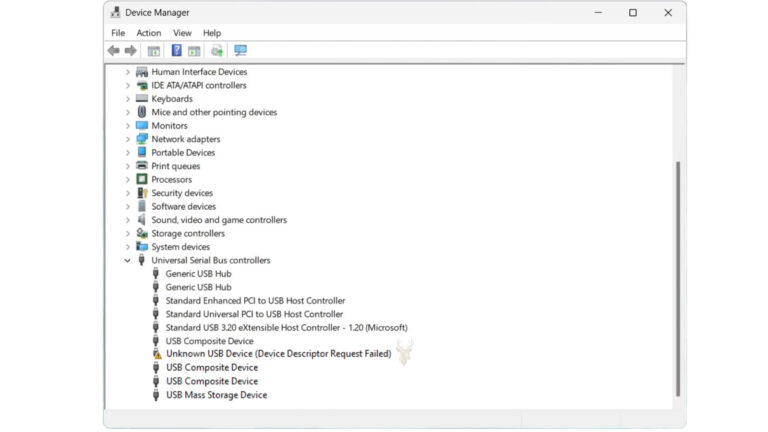
Some Windows power settings allow USB controllers and connected devices to enter reduced-power states. This behavior can conserve energy, especially on laptops, but certain devices may not resume correctly after being placed into a low-power condition.
External drives, audio interfaces, network adapters, webcams, and specialized equipment may disconnect or stop responding intermittently if their power management behavior is incompatible with the computer.
Disabling a USB power-saving feature may help during diagnosis, but it should not be treated as the automatic solution for every connection problem. Faulty cables, damaged ports, unstable drivers, and failing devices can produce similar symptoms.
Changing the Plan Does Not Repair Hardware Problems
A computer that feels slow may tempt the user to select a more aggressive power plan, but the setting cannot correct failing storage, insufficient memory, overheating, malware, damaged system files, or a worn battery.
Performance may improve slightly if the previous plan was unusually restrictive, but persistent slowdowns usually require a broader evaluation. Processor usage, memory pressure, storage health, startup programs, temperatures, and background activity should all be considered.
A power plan can change operating behavior, but it cannot restore performance lost to defective hardware or software problems.
Unexpected Plan Changes Can Alter Computer Behavior
Windows updates, driver installations, manufacturer utilities, battery-saving software, and system resets can sometimes change the active power plan or modify individual settings.
A computer may begin sleeping sooner, dimming unexpectedly, reducing performance on battery power, or disconnecting devices after one of these changes. Comparing the current settings with the computer’s previous behavior can help identify whether power management is involved.
- The computer becomes slower only after the adapter is disconnected
- The display turns off sooner than expected
- USB devices disconnect after periods of inactivity
- The computer enters sleep during long background tasks
- Fan noise and heat increase after changing performance modes
These symptoms do not prove that the power plan is the cause, but they provide a useful reason to review its configuration.
Custom Plans Can Solve Specialized Needs
Some computers benefit from a custom power plan designed around a specific workload. A workstation used for rendering may need longer periods of sustained performance, while an office laptop may prioritize battery runtime and quiet operation.
Custom plans can adjust display timers, sleep behavior, processor limits, wireless settings, storage inactivity, and other advanced options. However, excessive changes can create unintended behavior that becomes difficult to diagnose later.
For most users, beginning with the default Balanced plan and changing only the settings that address a clear need is safer than modifying every available option.
The Best Plan Depends on the Computer and Its Workload
There is no single Windows power plan that is ideal for every system. Desktop computers, thin laptops, gaming systems, mobile workstations, and office computers have different cooling designs, power requirements, and performance priorities.
The Balanced plan remains appropriate for many users because it allows performance to rise when necessary while reducing energy use during lighter activity. Power Saver may be useful when battery runtime is the priority, while performance-oriented plans may help specialized workloads that benefit from faster hardware response.
The selected plan should be judged by stability, temperature, battery life, noise, and actual application performance rather than by its name.
Windows power plans coordinate how the processor, storage devices, display, wireless adapter, USB hardware, and other components respond to changing workloads. They help the operating system balance performance, energy consumption, heat production, and battery runtime.
A performance plan may keep hardware ready for demanding work, while an efficiency-focused plan may allow components to enter lower-power states more often. Neither choice changes the computer’s physical capabilities, and neither can correct damaged hardware or underlying software problems.
For most everyday systems, a balanced configuration provides reliable responsiveness without unnecessary energy use. Reviewing the plan becomes especially useful when computer behavior changes after an update, when performance differs between battery and adapter operation, or when connected devices stop responding after periods of inactivity.