Connecting an HDMI Display Can Change the Sound Output
An HDMI cable can carry both video and audio. When a monitor or television is connected, Windows may automatically select that display as the new sound output device.
The computer speakers may appear to stop working even though they remain functional. Sound is often being redirected to the connected display rather than lost completely.
Some Monitors Accept Audio but Have No Speakers
Windows may recognize a monitor as an audio device even when the monitor has no built-in speakers. The display can accept an HDMI audio signal without producing sound.
Other monitors require external speakers or headphones to be connected to an audio-output jack on the display. The monitor specifications should be checked before assuming that its audio system has failed.
The Active Output Device Should Be Checked First
The speaker icon in the Windows taskbar can show which device currently receives sound. Selecting the computer speakers, headphones, monitor, television, or docking station changes where the audio is sent.
- Select the speaker icon near the Windows clock.
- Open the available audio-output list.
- Identify the computer speakers or preferred audio device.
- Select that device and play a test sound.
- Confirm that the volume is not muted.
Audio Device Names May Not Be Obvious
The computer’s internal speakers may appear under the name of the audio manufacturer rather than a simple label such as “Laptop Speakers.” HDMI audio may appear under the monitor, television, graphics card, or docking-station name.
| Device Name | Possible Output |
|---|---|
| Speakers or Realtek Audio | Built-in speakers or the computer’s audio ports. |
| Digital Audio or HDMI | A monitor or television connected through HDMI. |
| Graphics manufacturer audio | Sound carried through the graphics card connection. |
| Dock or USB Audio | Speakers or headphones connected through a docking station. |
The Default Playback Device Can Change Automatically
Windows may change the default audio device whenever an HDMI display is connected, disconnected, powered on, or detected after startup. The preferred speakers may need to be selected again.
This behavior can also occur after a graphics-driver update, Windows update, docking-station connection, or display configuration change.
Missing sound after connecting a monitor often means that Windows selected a different playback device.
The Monitor Volume and Mute Controls Matter
If the HDMI monitor has speakers, its own volume control may be muted or set too low. Monitor audio settings are usually controlled through physical buttons or an on-screen menu.
Windows volume and monitor volume are separate. Increasing one may not correct a low or muted setting on the other.
HDMI Audio Depends on the Graphics Driver
Sound sent through HDMI is commonly managed by an audio component included with the graphics driver. A missing, damaged, or incompatible graphics-audio driver can prevent the HDMI device from appearing correctly.
The internal speakers may still work because they use a different audio controller. This difference helps separate an HDMI-specific failure from a complete sound-system problem.
Cable and Adapter Types Can Affect Audio Support
A standard HDMI connection normally carries audio, but adapters and converters do not always preserve it. Some older DVI connections carry video without sound, even when an HDMI adapter is attached.
- Confirm that both devices support audio through the selected connection.
- Test another known-good HDMI cable.
- Review whether an adapter or converter is being used.
- Connect the display directly when possible.
- Test the computer with another HDMI monitor or television.
Different Symptoms Point Toward Different Causes
| Symptom | Likely Direction |
|---|---|
| Internal speakers stop after HDMI is connected | Windows probably changed the output device. |
| HDMI appears in the device list but produces no sound | Monitor volume, speaker support, or output selection should be checked. |
| No HDMI audio device appears | Graphics driver, cable, adapter, or hardware detection may be involved. |
| No sound from any output | A broader Windows or audio-driver problem may be present. |
Restarting Can Refresh Display and Audio Detection
A monitor connected after Windows starts may not be detected correctly until the cable is reconnected or the computer is restarted. Powering the monitor on before starting the computer can also change the result.
If audio returns only after repeated reconnection, the HDMI cable, graphics driver, display port, or monitor should be examined more closely.
Playback Settings Can Show Disabled or Disconnected Devices
Windows may hide an audio output that is disabled or currently disconnected. Opening the full sound settings can reveal devices that do not appear in the taskbar’s shorter output list.
A device should be enabled only when it matches the hardware being used. Enabling every entry can make the output list more confusing.
The HDMI Device May Need to Be Set as Default
If sound should come from the monitor or television, the HDMI device may need to be selected as the default playback device. Windows can also use a separate default device for communications applications.
- Open the Windows sound settings.
- Select the HDMI monitor or television.
- Confirm that it is enabled.
- Set it as the preferred output when appropriate.
- Play a test sound before closing the settings.
Application Audio Can Be Sent to a Different Device
Windows can assign individual applications to specific audio outputs. A browser, media player, or meeting application may continue sending sound to the HDMI display even after the main Windows output is changed.
The application volume mixer should be checked when system sounds work correctly but one program remains silent.
| Audio Behavior | Possible Cause |
|---|---|
| System sounds work but one application is silent | The application may use another output or be muted. |
| Browser audio plays through the monitor only | A program-specific output assignment may remain active. |
| Meeting software uses the wrong speakers | The application may have its own device selection. |
| All applications are silent | The main output, driver, or service should be checked. |
DisplayPort Connections Can Produce the Same Behavior
DisplayPort can also carry digital audio. A computer connected through DisplayPort may switch sound to the monitor in the same way as an HDMI connection.
USB-C video adapters and docking stations can create additional digital audio outputs, making it important to identify the exact device selected by Windows.
Docking Stations Add Another Audio Path
A docking station may contain its own audio controller or pass sound through HDMI or DisplayPort. Connecting the dock can therefore add several new playback devices at once.
If sound disappears only while docked, the dock firmware, USB connection, display cable, and output selection should all be reviewed.
The more display adapters and docking devices a computer uses, the more audio outputs Windows may need to manage.
A Graphics Driver Update Can Remove HDMI Audio Temporarily
Graphics driver installation can replace or reset the audio component used for HDMI. The display may continue showing video while the digital audio device disappears or becomes disabled.
Installing the correct graphics package from the computer or graphics manufacturer can restore the missing audio component. Generic or incomplete drivers may provide video without full HDMI audio support.
Device Manager Can Show Separate Audio Controllers
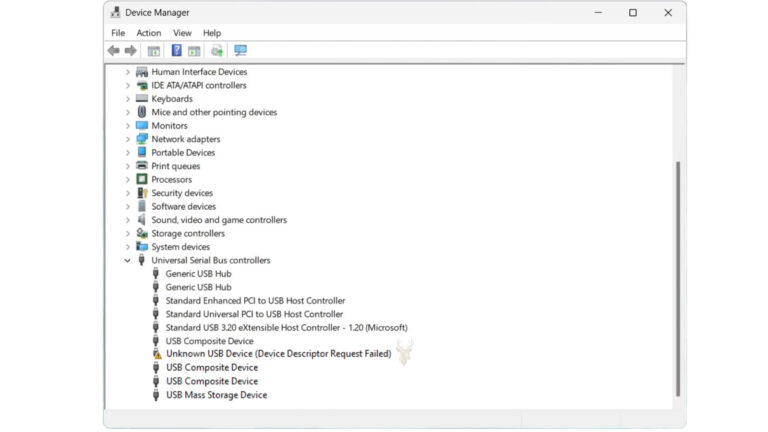
The internal sound system and the HDMI audio system usually appear as separate devices in Device Manager. One may operate normally while the other reports an error or remains missing.
- Review audio inputs and outputs.
- Check sound, video, and game controllers.
- Look for disabled devices or warning symbols.
- Confirm that the graphics adapter is detected correctly.
- Avoid removing drivers before identifying the affected device.
Windows Audio Services Must Remain Active
Windows depends on background audio services to manage playback devices. If these services stop, sound may fail through the internal speakers and HDMI output at the same time.
A service restart may restore audio temporarily, but repeated failures can indicate damaged system files, driver conflicts, or incomplete updates.
Audio Enhancements Can Cause Compatibility Problems
Sound enhancements, spatial audio, and manufacturer effects can interfere with certain monitors or televisions. The device may be selected correctly but remain silent or produce distorted sound.
Disabling optional enhancements can help determine whether the basic digital audio path works without additional processing.
| Setting | Possible Effect |
|---|---|
| Spatial audio | May change channel processing or device compatibility. |
| Audio enhancements | Can cause silence, distortion, or inconsistent volume. |
| Exclusive mode | One application may take control of the output. |
| Unsupported format | The monitor may reject the selected sample rate or channel layout. |
The Selected Audio Format May Not Be Supported
Some displays support only basic stereo audio formats. If Windows is configured for an unsupported format, the monitor may remain silent even though the connection is active.
Testing a standard stereo format can help separate a compatibility problem from a failed cable or driver.
Televisions May Use Input-Specific Audio Settings
A television can store different sound settings for each HDMI input. One input may be muted, assigned to an external receiver, or configured for a different audio format.
Testing another HDMI input can help determine whether the setting belongs to the television rather than the computer.
An AV Receiver Adds More Points of Failure
When HDMI passes through a receiver, switch, or soundbar, every device must complete the audio connection correctly. Video may pass through even when the audio format or device detection fails.
Connecting the computer directly to the display can simplify testing and identify whether the intermediate equipment is involved.
Direct connection testing removes adapters, receivers, and switches that may interrupt HDMI audio detection.
Sleep and Wake Can Change the Selected Output
A monitor may disconnect electronically when it enters sleep mode. Windows can then switch to another playback device and fail to switch back after the display wakes.
Turning the display on before waking the computer or reconnecting the cable may refresh detection. Repeated failures may require driver or firmware review.
Fast Startup Can Preserve an Incorrect Audio State
Windows Fast Startup can preserve part of the previous hardware state during shutdown. An incorrect HDMI audio configuration may therefore continue after the computer is turned off and started again.
A full restart performs a more complete hardware reinitialization and is often a better test than shutdown followed by startup.
The HDMI Cable Can Carry Video but Fail With Audio
A damaged or marginal cable may continue displaying an image while digital audio behaves inconsistently. Higher resolutions, longer cables, and adapters can make signal problems more noticeable.
- Connect the computer directly to the display.
- Use a short known-good HDMI cable.
- Select the correct playback device.
- Test sound at a standard stereo format.
- Compare the result with another display.
Hardware Failure Is Less Common Than Output Selection
Most sound loss that begins immediately after connecting an HDMI monitor is caused by output selection or configuration. Hardware failure becomes more likely when the HDMI device never appears, multiple cables fail, or the port shows physical damage.
Testing another display and cable can help avoid replacing internal audio hardware unnecessarily.
The Troubleshooting Order Should Remain Simple
- Confirm whether sound should come from the computer or display.
- Select the intended output device.
- Check Windows and monitor volume controls.
- Test another cable and direct connection.
- Review application-specific audio settings.
- Inspect graphics and audio drivers if the device remains missing.
A Final Test Should Include Both Audio Destinations
After the settings or drivers are corrected, sound should be tested through the HDMI display and through the computer’s normal speakers. Each output should work when selected without requiring repeated cable reconnection.
This confirms that the problem was limited to device selection or HDMI audio rather than a complete failure of the computer’s sound system.
Several Applications Should Be Tested
A browser, media player, meeting application, and Windows test sound may use different audio settings. Testing more than one source helps reveal whether a single application still has the wrong output selected.
- Play the Windows test sound.
- Test audio from a web browser.
- Open a commonly used media application.
- Check meeting software when it has separate speaker settings.
- Confirm that the selected output remains active after restarting.
Volume Levels Should Be Checked Independently
Windows, the active application, the monitor, and connected speakers can each have separate volume controls. One muted control can make a correctly selected device appear defective.
| Volume Control | What It Affects |
|---|---|
| Windows master volume | The overall level for the selected output device. |
| Application volume | Sound from one specific program. |
| Monitor volume | Built-in monitor speakers or its audio-output jack. |
| External speaker control | The final volume produced by connected speakers. |
The Preferred Output May Need to Be Selected Again
Windows may change the playback device again after the HDMI cable is disconnected, the monitor enters sleep mode, or a docking station is attached. Users should know how to identify and select the correct output from the taskbar.
If the computer is used in the same workspace every day, leaving the preferred display or speaker arrangement connected can reduce repeated device changes.
Driver Updates Should Match the Computer Hardware
If the HDMI audio device remains missing, the correct graphics and chipset drivers should be installed for the computer or motherboard model. An unrelated driver package can create additional display or sound problems.
The system should be restarted after installation, and the HDMI device should be checked again in Windows sound settings and Device Manager.
Video working through HDMI does not guarantee that the graphics-audio driver is installed correctly.
A System Restore Point May Help After a Recent Driver Change
If the sound problem began immediately after a graphics or Windows update, a driver rollback or appropriate restore point may return the previous working configuration.
Before rolling back changes, important files should be backed up and the affected driver should be identified. Broad changes should not replace basic output-device testing.
Repeated HDMI Detection Problems May Indicate a Hardware Issue
Hardware inspection may be needed when several known-good cables and displays fail, the HDMI port is loose, or the connection changes when the plug is moved.
A damaged graphics port, docking connector, adapter, or motherboard circuit can interrupt both display and audio detection.
| Final Symptom | Recommended Direction |
|---|---|
| Correct output restores sound immediately | No hardware repair may be required. |
| HDMI audio returns after driver installation | Confirm stability through restarts and updates. |
| Sound fails only through one display | Check that display’s speakers, input, and settings. |
| Several displays and cables fail | Inspect the computer port, adapter, or graphics hardware. |
A Practical Final Troubleshooting Sequence
- Decide whether sound should come from the computer or HDMI display.
- Select the intended Windows playback device.
- Check every relevant mute and volume control.
- Test a direct connection with another HDMI cable.
- Review application-specific sound settings.
- Install or repair the correct graphics-audio driver.
- Inspect the hardware if the HDMI device remains unavailable.
HDMI Sound Loss Is Often a Routing Problem
When a Windows computer loses sound after an HDMI monitor is connected, the audio has often been redirected rather than disabled. Selecting the correct playback device can restore sound immediately.
If the intended output remains silent, checking monitor capabilities, cable support, application settings, drivers, and hardware in a logical order can identify the cause without replacing working components.