
USB Power Saving Can Sometimes Affect Device Reliability
Many computers remain connected to USB devices throughout the day. Keyboards, mice, printers, webcams, external drives, barcode scanners, audio interfaces, docking stations, and numerous other accessories rely on stable communication with the operating system.
To reduce power consumption, Windows includes several USB power management features. One of them is USB Selective Suspend, which allows the operating system to temporarily place individual USB devices into a low-power state when they are not actively being used.
Most of the time this feature works without being noticed. Under certain hardware, driver, or firmware conditions, however, some USB devices may not resume communication correctly after entering a suspended state. The result can appear as random disconnects, devices that disappear temporarily, or accessories that require unplugging and reconnecting before they begin working again.
Selective Suspend Works on Individual Devices
Unlike shutting down an entire USB controller, Selective Suspend allows Windows to reduce power only to devices that are temporarily idle. Other USB devices connected to the same computer can continue operating normally.
This selective approach helps reduce overall power usage, especially on laptops where battery life is important. It also minimizes unnecessary activity on hardware that is not currently needed.
| USB State | Typical Behavior |
|---|---|
| Active | The device communicates normally with Windows. |
| Idle | The operating system may prepare the device for reduced power. |
| Selective Suspend | The individual device enters a low-power state. |
| Resume | Windows requests the device to become active again. |
| Normal Operation | Communication continues if the resume process succeeds. |
Not Every USB Device Responds the Same Way
Different USB devices support power management differently. A simple wired mouse may resume instantly, while another device containing its own controller, firmware, storage, or communication hardware may require additional initialization before becoming fully operational again.
Older devices or accessories using outdated drivers sometimes experience more difficulty recovering from suspended operation than newer hardware designed around current USB standards.
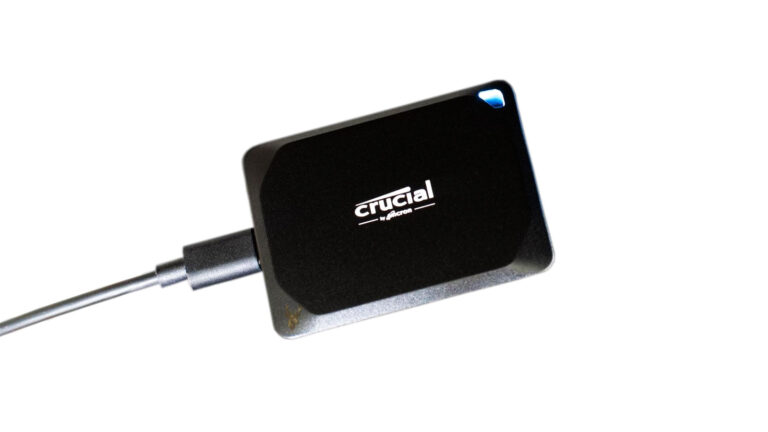
- External hard drives.
- USB flash drives.
- Printers and multifunction devices.
- USB webcams.
- Gaming controllers.
- Docking stations.
- Audio interfaces.
- Barcode scanners.
Disconnects May Occur Only After Periods of Inactivity
A common clue is timing. Some devices work perfectly while they are actively being used but stop responding after remaining idle for several minutes. The device may reconnect automatically, require unplugging and reconnecting, or disappear from Windows until the next restart.
Because the failure often follows inactivity rather than continuous use, the hardware itself may appear completely healthy during short diagnostic sessions.
A USB device that disconnects after sitting idle may be reacting differently than one that disconnects only during heavy data transfers.
Power Saving Is Especially Important on Portable Computers
Laptops depend on careful power management to maximize battery life. USB Selective Suspend helps reduce unnecessary electrical consumption by allowing inactive peripherals to consume less power whenever possible.
For most users this behavior is beneficial. The feature becomes a concern only when a specific device, driver, or firmware version does not recover properly after entering its low-power state.
| Computer Type | Typical Benefit |
|---|---|
| Laptop | Reduced battery consumption. |
| Tablet | Longer portable operating time. |
| Mini PC | Lower overall power usage. |
| Desktop | Reduced energy consumption for idle USB devices. |
The Feature Is Different From USB Hub Power Management
Windows includes several independent USB power management mechanisms. Selective Suspend controls individual devices, while separate settings may allow Windows to power down USB hubs or individual controllers under certain conditions.
Because several power-saving features can operate together, identifying the exact cause of a disconnect requires looking beyond a single setting.
- USB Selective Suspend.
- USB Root Hub power management.
- Device-specific power settings.
- Windows power plans.
- Motherboard firmware power management.
- Manufacturer-specific driver settings.
Storage Devices May Behave Differently Than Input Devices
A USB keyboard or mouse normally transfers only small amounts of information. External storage devices, however, may remain idle for long periods before suddenly transferring large amounts of data.
If a storage device does not resume communication properly, Windows may temporarily report that the drive has been disconnected or is no longer available until the connection is restored.
| Device Type | Possible Resume Behavior |
|---|---|
| Keyboard | Usually resumes immediately after a key is pressed. |
| Mouse | Typically wakes as movement is detected. |
| External drive | May require additional initialization before data becomes available. |
| Printer | May reconnect when a print job is sent. |
| Webcam | May become active when an application requests camera access. |
Repeated Disconnect Sounds Can Provide a Useful Clue
Windows often plays connection and disconnection sounds whenever USB hardware is detected or removed. If those sounds occur repeatedly without anyone touching the device, Windows is detecting changes in the communication path.
The sounds alone do not identify the cause. They simply confirm that the operating system believes a USB device has disconnected or reappeared.
- Observe whether the disconnect follows inactivity.
- Note whether the same device is affected every time.
- Determine whether reconnecting restores operation immediately.
- Check whether multiple USB devices disconnect together.
- Compare behavior using another USB port.
- Record whether the problem appears after sleep or normal operation.
The Resume Process Depends on Both Windows and the Device
When Windows determines that a suspended USB device is needed again, it sends a request for the device to resume normal operation. The hardware, its firmware, the USB controller, and the installed driver must all respond correctly for communication to continue without interruption.
If any part of that sequence fails, Windows may report that the device has disconnected, stopped responding, or encountered an unexpected error even though the physical USB connection has not changed.
Older Drivers Can Contribute to Resume Problems
Some USB devices were designed long before current versions of Windows introduced newer power-management methods. Older drivers may not properly support modern suspend and resume behavior, particularly after major operating system updates.
This does not automatically indicate defective hardware. A fully functional device can appear unreliable if its driver cannot correctly restore communication after entering a low-power state.
- Devices that work normally until left idle.
- Hardware requiring unplugging before it responds again.
- Accessories that disappear from Device Manager temporarily.
- Repeated connection and disconnection notifications.
- Devices that function correctly on one computer but not another.
USB Hubs Add Another Layer to the Connection
Many computers use internal and external USB hubs to increase the number of available ports. Communication with a connected device passes through one or more hubs before reaching the operating system.
If the hub, its firmware, or its power management behaves unexpectedly, every device attached through that hub may appear to disconnect at approximately the same time.
| Observed Behavior | Possible Direction |
|---|---|
| Only one USB device disconnects | The individual device or its driver may require investigation. |
| Several devices disconnect together | A USB hub or controller may be involved. |
| Every USB port stops responding | The controller, motherboard, or operating system may require testing. |
| Only devices on one side of a laptop disconnect | A specific internal hub may be affected. |
External USB Hubs May Require Their Own Power Supply
Not every disconnect is caused by Selective Suspend. A bus-powered USB hub shares the available power provided by the computer, while a powered hub has its own electrical supply.
When several high-power devices are connected to a hub without sufficient available power, communication problems may resemble software-related disconnects even though the underlying cause is inadequate power distribution.
Power management and power availability are separate issues that can produce very similar USB symptoms.
Wireless USB Receivers Can Show Different Symptoms
Wireless keyboards, mice, and presentation devices often use compact USB receivers that remain connected continuously. If communication is interrupted after the receiver resumes from a suspended state, the input device may appear completely unresponsive even though its batteries are fully charged.
Because these receivers use very little electrical power, users sometimes assume battery failure is responsible when the actual issue involves USB communication.
Docking Stations Increase USB Complexity
Modern docking stations often combine USB hubs, network adapters, audio devices, display interfaces, and charging functions into a single connection. Every one of those functions depends on reliable communication between Windows and the dock.
If the dock temporarily loses communication after a suspend cycle, several peripherals may appear to fail simultaneously even though none of the attached devices are defective.
- USB keyboard stops responding.
- External mouse disconnects.
- Ethernet connection disappears.
- USB headset becomes unavailable.
- Attached storage disconnects.
- Multiple devices recover together after reconnecting the dock.
Sleep and Hibernation Can Trigger Similar Behavior
USB Selective Suspend operates independently from Sleep and Hibernation, but resume problems sometimes become more noticeable after the computer wakes from those power states.
A device that resumes normally during everyday use may fail only after the computer has remained asleep for an extended period, making the problem appear inconsistent.
| Power State | Possible USB Behavior |
|---|---|
| Normal operation | Devices communicate continuously. |
| Selective Suspend | An idle device enters a low-power state. |
| Sleep | Many devices power down together. |
| Hibernation | Hardware state is restored during the next startup. |
| Resume | Windows reinitializes connected USB hardware. |
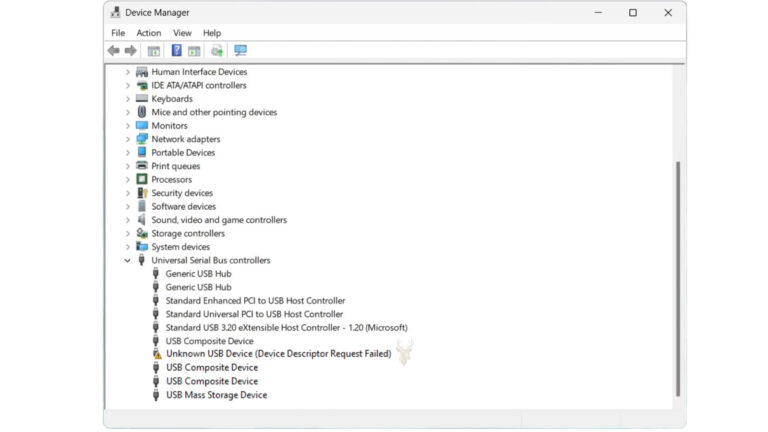
Device Manager Can Help Identify Affected Hardware
When a particular USB device disconnects repeatedly, Device Manager can help identify which hardware is affected. Error symbols, missing devices, or entries that appear and disappear during testing may help narrow the investigation.
The appearance of a device in Device Manager does not guarantee that communication is functioning correctly, but it provides useful information about whether Windows still detects the hardware.
Not Every Disconnect Is Related to Power Management
USB disconnects can also result from damaged cables, worn connectors, failing hubs, insufficient power, defective storage devices, outdated firmware, motherboard problems, or operating system corruption.
For that reason, USB Selective Suspend should be considered only one possible factor rather than the automatic explanation for every intermittent USB problem.
- Identify whether one or multiple devices disconnect.
- Observe whether inactivity consistently triggers the problem.
- Test another USB port when practical.
- Compare behavior with another cable if applicable.
- Review Device Manager for hardware changes.
- Check for updated device and chipset drivers.
- Compare behavior after waking from Sleep.
Reliable Diagnosis Requires Looking at the Entire USB Path
A stable USB connection depends on much more than the connector itself. The device, cable, hub, controller, motherboard, firmware, drivers, and Windows power management all participate in normal communication.
Understanding how USB Selective Suspend works helps explain why some devices disconnect only after periods of inactivity, but a complete diagnosis should always consider every part of the communication path before replacing hardware.
Selective Suspend Can Be Tested Through Windows Power Settings
Windows power plans may include a setting that enables or disables USB Selective Suspend. Temporarily changing this option can help determine whether the disconnect pattern is related to USB power management.
The setting should be used as a diagnostic comparison rather than an automatic permanent fix. If disabling Selective Suspend stops the problem, the affected device, driver, hub, or controller may still require additional investigation.
- Open the advanced settings for the active Windows power plan.
- Locate the USB settings section.
- Expand the USB Selective Suspend option.
- Record the current configuration.
- Temporarily disable the feature.
- Restart the computer if necessary.
- Test the affected device through the same period of inactivity.
Laptop Settings May Differ Between Battery and Connected Power
Portable computers can apply one USB power setting while running on battery and another while connected to a charger. A device may therefore disconnect only when the laptop is operating under one power condition.
| Power Condition | Possible Behavior |
|---|---|
| Running on battery | Windows may use more aggressive power-saving settings. |
| Connected to a charger | USB devices may remain active for longer periods. |
| Battery saver enabled | Additional power reductions may affect connected hardware. |
| Manufacturer power mode active | Custom software may override standard Windows behavior. |
Individual USB Hub Settings May Also Be Available
Some USB hubs and controllers include a Device Manager option allowing Windows to turn off the hardware to save power. Clearing that option temporarily may help identify whether an entire hub is being powered down unexpectedly.
Not every system displays the same controls. The available options depend on the motherboard, chipset, drivers, and Windows version.
Changing one power setting at a time makes it easier to identify which adjustment actually affects the disconnect.
Chipset and USB Controller Drivers Should Be Considered
The motherboard chipset controls communication between Windows and many internal devices, including USB controllers. Missing, damaged, or incompatible chipset drivers can interfere with suspend and resume behavior.
Drivers should come from the computer or motherboard manufacturer when appropriate. Installing unrelated driver packages from unknown sources can create additional instability.
- Confirm the exact computer or motherboard model.
- Review the installed chipset and USB controller drivers.
- Check whether the problem began after a driver update.
- Install only drivers intended for the correct hardware.
- Restart and repeat the same inactivity test.
Firmware Updates May Improve USB Compatibility
USB devices, docking stations, and motherboards may receive firmware updates that improve power management or resume reliability. These updates can be useful when a known compatibility problem affects a specific model.
Firmware updates should not be installed casually. The correct model must be confirmed, power must remain stable, and the manufacturer’s instructions should be followed carefully.
External Drives Require Extra Caution During Testing
A storage device that repeatedly disconnects can place open files and active transfers at risk. Disabling a power-saving feature may help with diagnosis, but important data should be protected before extended testing continues.
- Back up important files while the drive remains accessible.
- Avoid repeated large transfers until the connection is stable.
- Use the safe-removal process when disconnecting the drive.
- Test another cable and USB port when appropriate.
- Check whether the drive has its own power adapter.
- Stop testing if unusual noises or storage errors appear.
Disabling Power Saving May Increase Energy Use
Leaving USB devices fully powered can slightly increase electrical consumption and may reduce laptop battery life. The effect depends on the type and number of connected devices.
For a desktop workstation, the difference may be minor. For a portable computer using several accessories, the reduction in battery operating time may be more noticeable.
| Decision | Possible Tradeoff |
|---|---|
| Leave Selective Suspend enabled | Better power efficiency, but an incompatible device may disconnect. |
| Disable it temporarily | Useful for diagnosis, with slightly higher power use. |
| Disable it permanently | May improve reliability but can reduce battery life. |
| Correct the driver or hardware problem | Can preserve both reliability and normal power management. |
A Permanent Solution Depends on the Actual Cause
If disabling USB Selective Suspend resolves the problem consistently, leaving it disabled may be practical for a stationary computer. However, replacing a damaged cable, updating an incompatible driver, using a powered hub, or correcting a docking-station problem may provide a better long-term result.
The correct repair depends on whether the failure follows one device, one port, one hub, a particular power state, or the entire USB controller.
Consistent Testing Helps Separate Power Management From Hardware Failure
USB Selective Suspend is designed to reduce power use without interrupting normal operation. When a device does not resume correctly, the symptoms can resemble a loose connector, defective accessory, insufficient power, or failing USB controller.
The most useful clues are whether the disconnect follows inactivity, affects one or several devices, changes between battery and connected power, or disappears after a specific power setting is adjusted.
Testing one change at a time, protecting important data, and examining the complete USB path provides a more dependable diagnosis than disabling every power-saving feature without identifying the underlying cause.