Small Temperature Changes Can Produce Large Hardware Problems
Not every hardware failure is permanent. Some computers start normally in the morning but become unstable after running for an hour. Others refuse to power on until they have cooled down, while some crash only after reaching normal operating temperature. These changing symptoms often make diagnosis far more difficult than a component that has failed completely.
One possible reason is thermal cycling. Every time a computer is powered on, electronic components warm up. After shutdown, they cool back down. This continuous expansion and contraction happens thousands of times during the life of a computer.
Although the movement is microscopic, years of repeated temperature changes can gradually weaken solder joints, electrical contacts, connectors, and other mechanical connections inside the system. Eventually the computer may begin showing problems that appear only within certain temperature ranges.
What Thermal Cycling Means
Thermal cycling refers to the repeated heating and cooling that occurs whenever electronic equipment changes temperature during normal use. Every component expands slightly as it becomes warmer and contracts again as it cools.
These changes are extremely small and normally cause no issues. Modern computer hardware is designed to tolerate this movement. Problems develop when age, manufacturing defects, physical damage, or previous overheating reduce the strength of important electrical connections.
| Operating State | Temperature Effect |
|---|---|
| Computer powered off | Components gradually cool and contract. |
| Initial startup | Electronic parts begin warming almost immediately. |
| Normal workload | Temperatures stabilize near operating levels. |
| Heavy processing or gaming | Additional heat increases expansion throughout the system. |
| Shutdown | Components slowly cool and return toward their original dimensions. |
Why Intermittent Problems Are Difficult to Diagnose
Temperature-related failures often disappear before testing begins. A computer may arrive at a repair bench after cooling during transportation, causing the problem to temporarily vanish.
Likewise, a computer that only fails after warming up may appear completely healthy during a quick startup test. Extended testing is often necessary before the faulty component reveals itself.
- The computer works after several restart attempts.
- Problems occur only after long operating sessions.
- Cold morning startups fail more frequently.
- Random freezes happen after the fans speed up.
- The system becomes stable again after cooling.
- Failures appear inconsistent even though the underlying cause remains the same.
Solder Joints Experience Continuous Mechanical Stress
Integrated circuits are attached to the motherboard using hundreds or even thousands of tiny solder connections. Each heating and cooling cycle slightly changes the dimensions of both the chip package and the circuit board.
After many years of use, repeated mechanical stress can weaken one or more solder joints. The crack may be nearly invisible while still interrupting electrical communication whenever temperatures change.
A microscopic crack can create a computer problem that appears completely random until the relationship with temperature is recognized.
Different Materials Expand at Different Rates
Computer hardware combines copper, aluminum, fiberglass, silicon, steel, plastic, solder, and many other materials. None of them expand or contract at exactly the same rate.
As temperatures rise and fall, tiny differences between these materials place mechanical stress on mounting points and electrical connections. Over long periods this stress can accumulate and eventually contribute to intermittent hardware failures.
| Component | Thermal Stress Location |
|---|---|
| Motherboard | Circuit board flexing and solder joints. |
| Graphics card | GPU package and memory chips. |
| Storage devices | Controller electronics and connectors. |
| Memory modules | Edge contacts and soldered chips. |
| Power supply | Power components exposed to repeated heating. |
Older Computers Usually Show the Effects First
Thermal cycling affects every computer, but the effects generally become more noticeable as equipment ages. Years of daily startup and shutdown cycles gradually increase mechanical fatigue throughout the system.
A computer that has operated reliably for many years may eventually begin developing problems that seem unrelated until the temperature pattern becomes obvious.
- The computer operates normally for years.
- Occasional startup failures begin appearing.
- Problems become easier to reproduce.
- Failures begin lasting longer.
- The affected component eventually stops working entirely.
Cold Startup Problems Can Point Toward Thermal Stress
Some systems refuse to start immediately after sitting overnight. Once they finally boot and warm up, they may continue working without difficulty for the rest of the day.
This behavior can occur because cooling causes weakened electrical connections to separate slightly. As temperatures increase, expansion may temporarily restore enough contact for the computer to function again.
Heat Can Also Create the Opposite Pattern
Not every temperature-related problem improves after warming up. Some weakened connections separate as temperatures increase instead of improving.
In these situations the computer may operate normally while cold and begin freezing, restarting, or displaying graphics errors after reaching normal operating temperature.
- Random shutdowns after prolonged use.
- Display corruption during gaming.
- Unexpected blue screen errors.
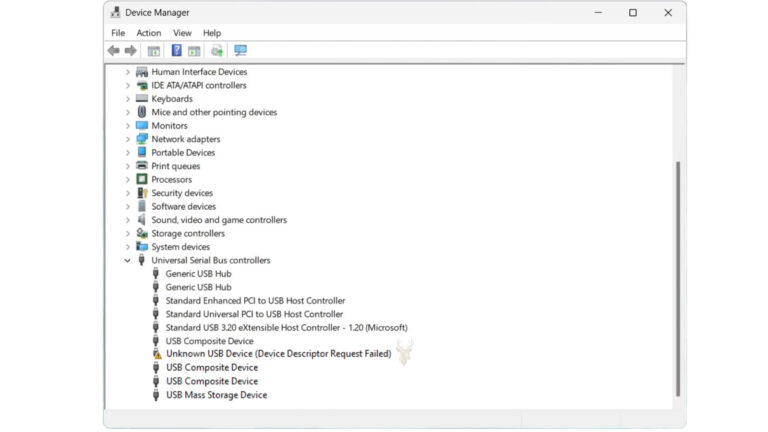
- USB devices disconnecting after warming up.
- Storage devices disappearing temporarily.
- Network adapters randomly disconnecting.
Thermal Cycling Is Different From Overheating
Overheating occurs when temperatures exceed safe operating limits. Thermal cycling refers to the repeated movement caused by normal temperature changes, even when temperatures remain completely within specification.
A properly cooled computer still experiences thermal cycling every day. The concern is not the temperature itself but the long-term mechanical fatigue created by thousands of heating and cooling cycles.
| Thermal Cycling | Overheating |
|---|---|
| Occurs during normal operation. | Occurs when temperatures become excessive. |
| Acts gradually over many years. | Can damage hardware quickly. |
| Produces intermittent failures. | Usually causes immediate instability. |
| May not trigger temperature warnings. | Often activates thermal protection. |
Several Components Can Develop Similar Symptoms
Because thermal cycling affects many different parts of a computer, similar symptoms do not automatically identify a single failed component. Memory, graphics hardware, storage devices, motherboard circuits, expansion cards, and power circuitry may all respond differently as temperatures change.
For that reason, successful diagnosis depends on observing when the problem occurs rather than replacing parts based only on the visible symptom.
Motherboards Often Show the First Signs of Thermal Fatigue
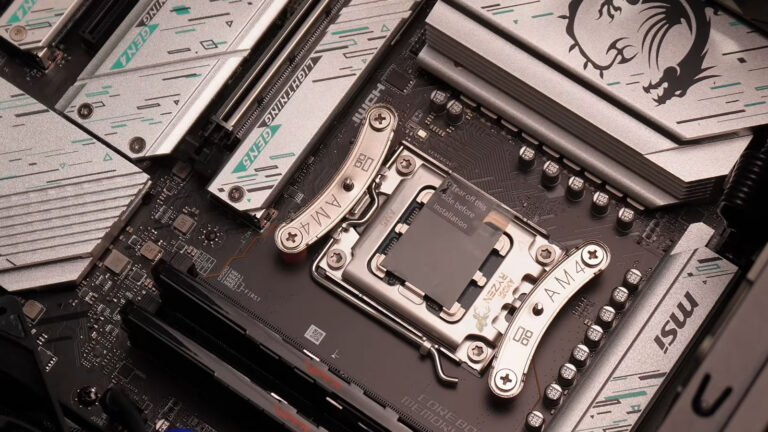
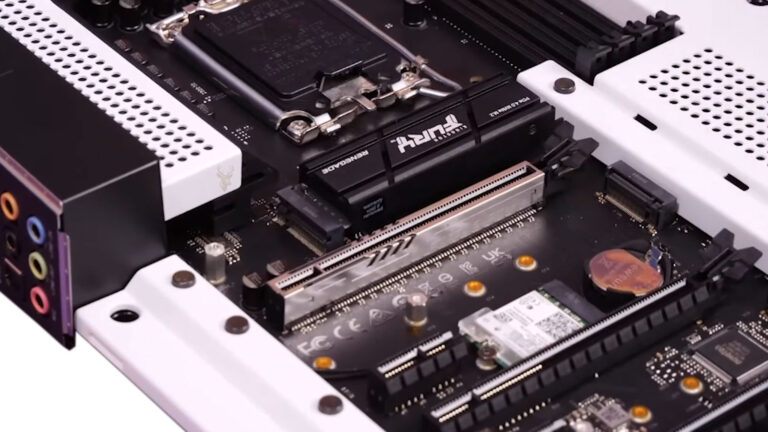
The motherboard experiences temperature changes from nearly every major component in the computer. The processor, memory, graphics card, storage devices, and voltage regulators all generate heat during normal operation. Over many years, repeated expansion and contraction can place mechanical stress on solder joints and electrical pathways throughout the board.
Because the motherboard connects every major subsystem together, even a small intermittent connection can create symptoms that appear unrelated, including startup failures, random freezes, disappearing hardware, or unexpected restarts.
Graphics Cards Experience Significant Temperature Changes
Dedicated graphics cards often experience larger temperature swings than most other computer components. During demanding games, video editing, or 3D rendering, GPU temperatures can rise rapidly before cooling again once the workload ends.
Years of these repeated temperature changes can contribute to intermittent graphics problems that only appear during heavy workloads.
- Random screen corruption.
- Brief display flickering.
- Driver crashes during gaming.
- Temporary loss of video output.
- Unexpected system freezes while rendering graphics.
Memory Modules Can Be Affected by Temperature Changes
Memory modules normally generate only moderate heat, but they still experience thermal expansion during everyday use. A slightly weakened contact between the memory module and its slot can become more noticeable as temperatures change.
This may result in inconsistent crashes that are difficult to reproduce because the connection changes only slightly as the system warms or cools.
| Possible Symptom | Temperature Pattern |
|---|---|
| Random blue screens | More common after warming up. |
| Startup memory errors | Often appear during cold boots. |
| Unexpected application crashes | May occur only after extended operation. |
| Successful reboot after shutdown | Cooling temporarily changes the connection. |
Power Delivery Circuits Also Age Over Time
Voltage regulation components repeatedly warm and cool every time the computer operates. Since these circuits continuously handle electrical power, years of thermal cycling can eventually contribute to unstable voltage delivery.
Power-related instability may resemble software problems even though the underlying cause is hardware that becomes unreliable only under certain temperatures.
Laptop Designs Experience Different Thermal Stress
Laptops combine powerful components into compact spaces with limited airflow. Their smaller circuit boards and tighter internal layouts often expose components to more concentrated heating than many desktop systems.
Frequent transportation, vibration, and physical movement can combine with years of thermal cycling to increase mechanical stress on internal connections.
Heat alone rarely tells the entire story. Age, mechanical stress, and repeated temperature changes often work together before intermittent failures appear.
Seasonal Temperature Changes Can Reveal Existing Weaknesses
Some users notice problems only during certain times of the year. A computer that operates normally during warmer months may begin showing startup problems during colder weather, while another becomes unstable only during the hottest part of the summer.
Seasonal changes do not necessarily damage the hardware. Instead, they may expose weaknesses that already existed but were previously too small to produce noticeable symptoms.
Repeated Heating Does Not Always Mean Poor Cooling
A computer that reaches its expected operating temperature is not automatically overheating. Modern processors and graphics hardware are designed to become warm during normal workloads.
Thermal cycling occurs whether the cooling system is functioning correctly or not. Good cooling reduces excessive temperatures but cannot eliminate normal expansion and contraction entirely.
Intermittent Problems Often Follow Similar Patterns
Although every computer behaves differently, many thermal-related failures develop recognizable patterns that become easier to identify after careful observation.
- The computer operates normally while cool.
- Component temperatures gradually increase.
- The intermittent failure appears.
- A restart may temporarily restore operation.
- After cooling completely, the cycle repeats.
Stress Testing Can Help Reproduce Temperature-Related Failures
When a problem cannot be reproduced during a short inspection, controlled stress testing may help determine whether increased operating temperatures trigger the failure. Running the processor, graphics hardware, or storage under sustained workloads sometimes exposes faults that remain hidden during light use.
The goal is not simply to increase temperatures but to observe whether the symptom consistently appears under similar operating conditions.
| Test Observation | Possible Interpretation |
|---|---|
| Stable during light use only | The failure may appear under higher thermal load. |
| Immediate instability during stress | Temperature may be contributing to the fault. |
| No change after extended testing | The problem may have another cause. |
| Repeated failures at similar temperatures | A thermal relationship becomes more likely. |
Replacing Parts Too Early Can Increase Repair Costs
Because thermal cycling often creates inconsistent symptoms, replacing the first suspected component does not always solve the problem. Several parts may appear responsible simply because they stop functioning after another weakened connection interrupts communication.
Systematic testing usually produces a more reliable diagnosis than replacing hardware based solely on intermittent symptoms.
Good Maintenance Helps Reduce Long-Term Thermal Stress
Routine maintenance cannot stop thermal cycling, but it can reduce unnecessary heat that places additional stress on electronic components throughout the computer’s lifetime.
- Keep cooling vents free of dust buildup.
- Verify that cooling fans operate normally.
- Maintain adequate airflow around the computer.
- Avoid blocking ventilation openings.
- Monitor unusually high operating temperatures.
- Address cooling problems before overheating develops.
Reducing excessive temperatures helps minimize additional stress even though normal heating and cooling cycles will always remain part of regular computer operation.
Cooling Spray and Direct Heat Should Not Be Used Casually
Technicians sometimes use controlled temperature changes to help identify a component that fails only when warm or cold. This type of testing requires care because rapid heating or cooling can create condensation, damage plastics, stress solder joints, or affect nearby components.
Household hair dryers, heat guns, ice packs, and compressed-air cans held upside down are not appropriate diagnostic tools. They can expose the computer to excessive heat, moisture, or sudden temperature changes that make the original problem worse.
A temperature-related fault should be reproduced carefully, not forced through uncontrolled heating or cooling.
Reseating a Component May Temporarily Change the Symptoms
Removing and reinstalling memory, graphics cards, storage devices, or internal cables can temporarily improve an intermittent connection. The movement may clean a contact surface, change mechanical pressure, or slightly reposition a weakened connector.
A successful startup after reseating does not always mean the component was simply loose. The problem may return after additional heating and cooling cycles.
- Document the original position before removing hardware.
- Inspect contacts for dirt, oxidation, or physical damage.
- Confirm that locking tabs and retaining screws are secure.
- Test the computer through several cold and warm operating cycles.
- Do not assume one successful restart confirms a permanent repair.
Board Flexing Can Affect an Existing Weak Connection
Motherboards and graphics cards can flex slightly from mounting pressure, heavy heatsinks, expansion cards, or movement of the computer case. Temperature changes may increase or reduce that mechanical pressure.
A system that changes behavior when moved, touched, or placed in a different position may have a damaged connector, cracked solder joint, loose mounting point, or circuit board stress. Pressing on the board to keep the computer running is not a safe repair.
| Observation | Possible Concern |
|---|---|
| The computer fails after being moved | A connector or circuit board may be physically unstable. |
| Video returns when the case position changes | The graphics card, slot, or display connection may be affected. |
| Startup changes when mounting screws are adjusted | Board flexing or grounding pressure may be involved. |
| The fault returns after the system warms | Thermal expansion may be changing an already weak connection. |
Reflowing a Circuit Board Is Not a Dependable General Repair
Heating a motherboard or graphics card is sometimes promoted as a way to repair cracked solder joints. Improvised reflow attempts may temporarily change the condition, but they can also warp the board, damage nearby components, weaken connectors, and release hazardous fumes.
A temporary return to operation does not confirm that the damaged connection has been restored correctly. Professional board repair requires controlled equipment, accurate temperature profiles, inspection, and an understanding of the component being serviced.
- Household ovens should never be used for circuit board repair.
- Heat guns cannot evenly control the temperature of a complex board.
- Plastic connectors may melt before the intended solder area is repaired.
- Nearby components can shift or become damaged.
- The original failure may return after a few operating cycles.
A Stable Temperature Does Not Prove the Hardware Is Healthy
Temperature monitoring software can show whether the processor, graphics card, and storage devices remain within expected ranges. However, normal readings do not rule out thermal fatigue.
A cracked connection can change as the computer warms even when every sensor reports a safe temperature. Sensors measure selected locations and cannot identify every solder joint, connector, or circuit pathway.
Power Supplies Can Fail Differently When Cold or Warm
Power supplies contain capacitors, transformers, switching components, solder joints, and cooling fans that experience repeated temperature changes. Aging components may deliver unstable power during a cold startup or after operating under load.
A computer may require several power-button attempts, restart when warm, or become stable only after the power supply has been operating for a short time.
| Power Symptom | Possible Temperature Pattern |
|---|---|
| No response during the first startup attempt | Aging power components may behave differently while cold. |
| Restart during heavy use | Heat and electrical load may expose unstable output. |
| Stable operation after several attempts | Warming may temporarily change component behavior. |
| Failure returns after complete cooling | The same cold-start condition may be repeating. |
Power-supply testing should use known-good equipment or appropriate measurement tools. Opening a power supply is dangerous because internal capacitors can retain hazardous voltage after disconnection.
Storage Devices May Show Temperature-Dependent Behavior
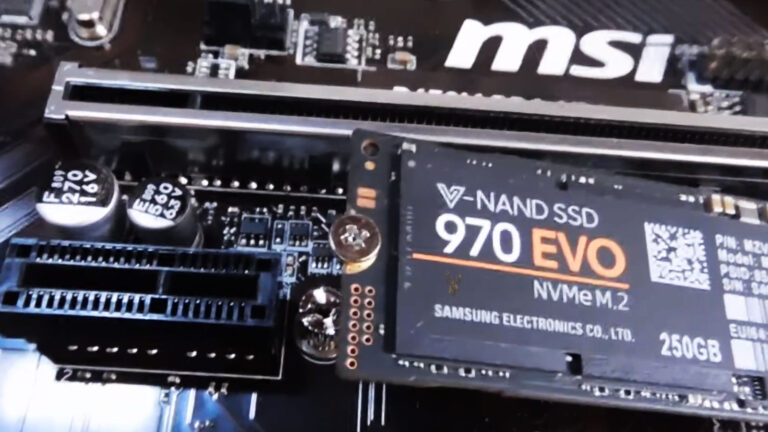
Hard drives and solid-state drives contain controller electronics, connectors, and internal components that can become intermittent. A storage device may disappear during startup, disconnect after warming, or return after the computer has been powered off.
Any storage problem that changes with temperature should be treated carefully because repeated testing can place important files at risk.
- Stop unnecessary restarts and repeated stress tests.
- Back up accessible files immediately.
- Review drive-health information and system logs.
- Check data and power connections.
- Test with a known-good cable or port when appropriate.
- Replace the device if reliability remains uncertain.
Environmental Conditions Can Increase Temperature Swings
A computer located near an air-conditioning vent, window, kitchen, warehouse entrance, or enclosed cabinet may experience larger temperature changes than one kept in a stable indoor environment.
High humidity can add another concern. Moving a cold computer into a warm, humid room can allow condensation to form on internal surfaces. The system should be allowed to reach room temperature before it is powered on.
- Avoid placing computers directly beneath air-conditioning vents.
- Do not power on equipment immediately after moving it from a cold vehicle.
- Keep desktops away from enclosed spaces with trapped heat.
- Allow laptops to acclimate after major temperature changes.
- Protect equipment from direct sunlight and moisture.
Frequent Power Cycling Can Add More Thermal Transitions
Turning a computer on and off many times each day creates more heating and cooling transitions than leaving it running for one continuous work period. This does not mean a computer should remain powered on indefinitely, but unnecessary repeated cycling can add mechanical stress over many years.
Normal shutdowns remain appropriate when the computer will not be used for an extended period. The better approach is to avoid repeated troubleshooting restarts, unstable power sources, and habits that force the system through many unnecessary startup cycles.
A Complete Diagnostic Should Compare Cold and Warm Operation
A computer with suspected thermal behavior should be tested under more than one operating condition. A brief inspection after the system has already warmed up may miss a cold-start failure, while a quick startup test may miss a problem that appears later.
- Record the symptoms before the computer is moved or restarted.
- Test the first startup after the system has fully cooled.
- Observe hardware detection and startup behavior.
- Monitor the system during normal use.
- Apply a controlled workload when safe.
- Allow the computer to cool and repeat the test.
- Compare whether the failure appears at a similar stage each time.
Consistent behavior across repeated cycles provides stronger evidence than one successful or unsuccessful test.
Replacement Is Often More Reliable Than a Temporary Workaround
When a component has developed a temperature-sensitive internal failure, cleaning, reseating, or adjusting pressure may provide only temporary improvement. A weakened solder joint or damaged circuit pathway can continue deteriorating until the component fails completely.
Replacement is often the most dependable solution for standard power supplies, memory modules, storage devices, expansion cards, and other replaceable hardware. Board-level repair may be appropriate for specialized or valuable equipment when the damaged area can be identified and repaired correctly.
| Repair Direction | When It May Be Appropriate |
|---|---|
| Clean and reseat | When contact contamination or a loose connection is suspected. |
| Replace the cable or connector | When movement or contact pressure changes the failure. |
| Replace the component | When an intermittent internal fault cannot be repaired reliably. |
| Board-level repair | When the damaged circuit can be identified and the equipment justifies specialized work. |
| Continue monitoring | Only when testing finds no repeatable fault and important data is protected. |
Important Data Should Be Protected Before the Failure Becomes Permanent
An intermittent computer may continue operating for days, weeks, or months before the affected connection fails completely. That uncertain period should not be treated as proof that the system is dependable.
Important documents, photographs, business records, and application data should be backed up while the computer remains accessible. A system that starts only after several attempts or fails after warming may eventually stop starting altogether.
Temperature Patterns Provide Useful Diagnostic Evidence
Thermal cycling is a normal part of computer operation, but aging hardware, weak solder joints, damaged connectors, and board stress can turn ordinary temperature changes into intermittent failures.
The most useful clue is often the pattern. A problem that appears during cold startup, after extended use, under heavy load, or following a complete cooling period should be documented carefully.
Reliable diagnosis requires repeated testing, protection of important data, and comparison of the computer’s behavior at different temperatures. Temporary improvement after reseating, warming, cooling, or restarting should not be mistaken for a permanent repair.