
Opening the Lid Does Not Always Tell the Computer to Wake the Display
Many laptop owners assume that opening the display automatically turns the screen back on. In reality, the operating system is only one part of that process. Before Windows can restore the desktop, the laptop must first recognize that the display has physically changed position.
If that detection never occurs, the computer may continue behaving as though the lid is still closed. The power light may remain on, cooling fans may continue operating, storage activity may occur in the background, yet the display remains completely dark.
Because the computer often appears to be running normally, this problem is frequently mistaken for a failed LCD panel or damaged graphics hardware when the actual fault lies within the lid detection system.
Modern Laptops Usually Detect Lid Position Without a Mechanical Switch
Older portable computers commonly relied on a small mechanical switch that was physically pressed when the display closed. Current laptop designs usually eliminate that exposed button in favor of magnetic position sensing.
A small magnet is commonly installed inside the display assembly while a magnetic sensor is mounted inside the base. As the lid closes, the magnetic field changes and the system recognizes that the display has reached its closed position.
This arrangement reduces mechanical wear, protects the sensor from dirt and damage, and allows thinner display assemblies without visible switches around the keyboard.
The Magnet and the Sensor Must Remain Properly Aligned
The magnetic field only reaches the sensor correctly when both components remain in their intended positions. If either side shifts because of impact damage, hinge movement, display repair, or internal structural failure, the sensor may receive incorrect information.
A laptop may believe the lid remains closed even after it has been fully opened. In other situations, the opposite occurs and the computer never recognizes that the display has been closed.
Even a small change in alignment can affect reliable operation because the sensing distance is intentionally limited.
A Black Screen Does Not Always Mean the Computer Is Powered Off
One of the most confusing aspects of lid sensor problems is that the computer often continues operating internally. Downloads may continue, background applications may remain active, and cooling fans may still adjust their speed normally.
The only visible symptom may be a display that never wakes after the lid has been reopened. This differs from a complete power failure where the entire computer immediately shuts down.
Recognizing that the system itself is still running helps narrow the diagnosis before unrelated components are replaced.
Lid Detection Affects More Than the Display
Closing a laptop lid may trigger several actions simultaneously. Depending on the computer’s configuration, the system may dim the display, enter sleep mode, pause certain hardware activity, reduce power consumption, or prepare wireless devices for low-power operation.
If lid position is detected incorrectly, several of these behaviors can occur at unexpected times. The display problem is simply the symptom most users notice first.
This explains why a faulty lid sensor can appear to involve multiple unrelated components even though they all depend upon the same position signal.
Repeated Hinge Movement Places Stress Near the Sensor Area
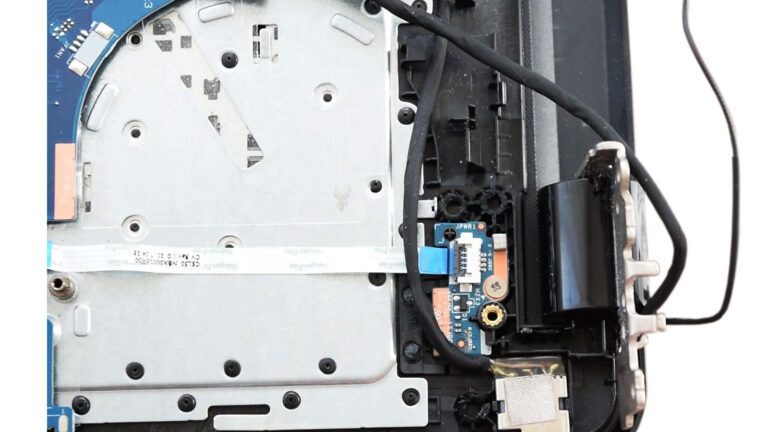
Although the magnetic sensor itself experiences no physical contact, nearby components are exposed to constant movement every time the display is opened or closed. Hinges, display brackets, mounting points, internal wiring, and the surrounding chassis gradually experience normal mechanical stress.
Over many years of use, those structural changes can slightly alter the relationship between the magnet and the sensing device.
This is one reason why lid detection problems may develop gradually instead of appearing suddenly after a single event.
External Magnets Can Temporarily Confuse the Detection System
Strong magnetic accessories placed near the keyboard or display can occasionally influence the sensor that monitors lid position. Cases, tablet covers, magnetic phone mounts, speakers, and certain desk accessories may create conditions similar to a closed display.
The result may appear unpredictable because moving the accessory slightly changes the magnetic field reaching the sensor.
Although uncommon, this possibility should be considered before assuming internal hardware has failed.
The Display Cable Is Separate From the Lid Sensor
A damaged display cable and a faulty lid sensor can produce similar symptoms while involving different hardware. The display cable carries image signals between the motherboard and the screen, whereas the lid sensor only reports the physical position of the display assembly.
One failure affects image transmission while the other affects the computer’s decision about whether the screen should be active.
Understanding this distinction helps prevent unrelated components from being replaced simply because both conditions produce a black screen.
Early Symptoms Often Follow a Consistent Pattern
| Observed Behavior | Possible Direction |
|---|---|
| Display remains black after reopening the lid. | Lid position may not be detected correctly. |
| Computer continues running while the screen stays dark. | Display wake sequence may never begin. |
| Problem changes when the lid angle changes slightly. | Alignment between the sensor and magnet may be inconsistent. |
| External monitor continues working. | The operating system may still be functioning normally. |
| The issue appears only after closing the lid. | The lid detection circuit becomes a primary area for diagnosis. |
Identifying when the display fails to return is often more valuable than focusing only on the black screen itself. The sequence leading to the failure frequently provides the strongest clues about whether the problem originates in lid detection, display hardware, or another part of the laptop.
Why the Display Sometimes Returns Only After a Forced Restart
When a laptop remains on a black screen after the lid is opened, many users hold the power button until the computer shuts down completely. After restarting, the display often works normally, leading to the belief that the problem has disappeared.
A full restart forces the hardware to perform a new initialization sequence instead of continuing from the previous sleep or low-power state. If the original problem involved lid position detection rather than permanent display failure, the restart temporarily bypasses the condition until the lid is closed again.
Because the computer appears normal after rebooting, intermittent lid sensor problems can continue for weeks before becoming frequent enough to attract attention.
Firmware Participates Before Windows Becomes Involved
Many people assume Windows alone decides whether the display should wake. In reality, firmware on the motherboard participates before the operating system resumes normal activity. The firmware monitors hardware events, prepares devices for operation, and communicates those changes to the operating system.
If the expected hardware event is never detected, Windows may never receive the information needed to restore the internal display even though the operating system itself remains functional.
This layered process explains why some wake problems continue across different operating systems or even appear before a user signs into Windows.
Convertible Laptops Introduce Additional Position Detection
Two-in-one laptops often contain additional sensors that determine whether the computer is being used as a traditional notebook or folded into tablet mode. These sensors work alongside lid detection and can influence keyboard behavior, screen rotation, and power management.
If one of these position sensors reports incorrect information, the laptop may appear to become confused about its operating mode. The display may remain dark, automatic rotation may stop functioning correctly, or the keyboard may stay disabled after returning from tablet mode.
Although these symptoms resemble ordinary wake failures, the underlying diagnosis can involve a different portion of the position sensing system.
Screen Angle Can Become an Important Diagnostic Clue
Some laptops consistently wake only when the display is opened to a particular angle. Others may lose the picture while the lid passes through a certain position before recovering again a few degrees later.
This behavior suggests that movement of the display assembly changes the relationship between the sensor, the display cable, or other nearby hardware. Observing whether the failure depends on lid position provides valuable information during diagnosis.
Randomly forcing the display through repeated opening and closing cycles to reproduce the failure should be avoided because additional mechanical stress may worsen an existing hardware problem.
Display Cable Fatigue Can Imitate a Sensor Failure
The display cable bends every time the laptop is opened or closed. After years of repeated movement, individual conductors inside the cable may weaken or fracture while the outer insulation continues to appear intact.
If the image disappears only at certain lid positions, the display cable becomes another important area to evaluate. Unlike a lid sensor, which reports position, the display cable carries the video signal itself.
Distinguishing between these possibilities requires examining how the symptoms change during controlled movement rather than replacing parts based solely on the appearance of a black screen.
Physical Damage Does Not Always Leave Visible Marks
A laptop does not need a cracked display or broken case to develop lid detection problems. A minor drop, pressure inside a backpack, or twisting force while carrying the computer can shift internal components without leaving obvious cosmetic damage.
Small internal changes may alter sensor alignment, loosen mounting hardware, or place additional strain on nearby cables. The computer can therefore develop intermittent wake failures even though the exterior still looks nearly new.
This often explains why users cannot identify a single event that immediately caused the problem.
Docking Stations and External Monitors Can Mask the Real Problem
Some users operate their laptop primarily with an external monitor while the built-in display remains closed or is opened only occasionally. If the internal screen stops waking properly, the external display may continue functioning without interruption.
This creates the impression that only the built-in screen has failed, even though the underlying issue may involve the laptop’s lid detection system rather than the LCD panel itself.
Comparing the behavior of both displays during wake events helps separate display output problems from lid detection failures.
Software Changes Can Reveal Existing Hardware Weaknesses
Firmware updates, graphics driver changes, and operating system updates occasionally modify the timing of sleep and wake operations. These changes do not usually damage the lid sensor itself, but they can expose hardware that was already operating near its limits.
A laptop that previously woke successfully despite marginal sensor performance may begin showing consistent failures after a software update alters the wake sequence.
This timing often causes users to blame the update even though the underlying hardware condition already existed beforehand.
Battery Condition Can Influence Wake Stability
Although the lid sensor itself does not depend upon battery health, unstable system voltage during transitions between sleep and active operation can complicate the wake process. Aging batteries or power delivery problems may therefore contribute to inconsistent behavior during resume operations.
For this reason, technicians evaluate the entire power path rather than assuming every wake failure originates from a single component.
Separating unrelated symptoms from contributing conditions produces a more accurate diagnosis and reduces unnecessary part replacement.
Several Components Must Work Together for a Successful Wake Sequence
| Component | Role During Wake |
|---|---|
| Lid sensor | Reports whether the display has been opened. |
| Display cable | Transfers image signals to the LCD panel. |
| Firmware | Processes hardware events before Windows resumes. |
| Graphics hardware | Reinitializes video output. |
| Operating system | Restores the desktop and active user session. |
| Power management circuitry | Coordinates low-power and normal operating states. |
Because several independent components participate in every wake cycle, diagnosing a laptop that remains on a black screen requires evaluating the complete sequence rather than assuming the display panel is responsible. Understanding how these systems interact helps narrow the source of the failure before repairs begin.
A Complete Diagnosis Looks Beyond the Black Screen Alone
When a laptop remains on a black screen after the lid has been opened, replacing the display assembly immediately may not resolve the problem. A reliable diagnosis follows the sequence that occurs from the moment the lid begins moving until the display should become active again. Evaluating each stage individually helps identify where communication stops instead of assuming every symptom originates from the screen itself.
Because several hardware components participate in this process, the most effective repair depends on determining which part has stopped performing its intended function. The goal is to correct the underlying failure rather than replacing parts that continue operating normally.
Technicians Begin by Reproducing the Same Conditions
A wake failure that occurs only after closing the lid must be tested under those same conditions. Rather than immediately disassembling the laptop, technicians first observe how consistently the problem appears, whether it depends on the angle of the display, how long the computer remains closed, and whether external displays respond differently.
Reproducing the original symptom establishes a dependable starting point for diagnosis. If the problem cannot be repeated consistently, unnecessary repairs become far more likely.
The Lid Sensor Is Evaluated Before Parts Are Replaced
Once the symptom has been confirmed, attention turns to the hardware responsible for detecting lid position. Depending on the laptop model, this may involve examining the magnetic sensor, verifying that the display magnet remains properly positioned, checking mounting points, and confirming that surrounding components have not shifted because of previous impact or structural wear.
Inspection also includes looking for signs of liquid exposure, corrosion, damaged connectors, or physical stress around the hinge area that could affect proper alignment.
Display Output Is Verified Independently
A computer may successfully complete the wake process while the built-in display remains inactive because of an unrelated display problem. For that reason, technicians verify whether video is available through the internal panel, an external monitor, or both.
Comparing these results helps separate lid detection faults from display cable problems, graphics initialization issues, or LCD panel failures. Each possibility produces different behavior even though the user may only notice a black screen.
Mechanical Wear Around the Hinges Is Also Considered
Every opening and closing cycle places small amounts of stress on the hinge area. Over years of normal use, mounting points can loosen, display cables flex repeatedly, and internal alignment can change slightly.
Although the lid sensor itself may remain functional, surrounding structural changes can influence how accurately the laptop detects the display position. Looking at the entire hinge assembly provides information that electronic testing alone cannot reveal.
Firmware and Hardware Should Be Evaluated Together
Because firmware coordinates communication between hardware and the operating system, technicians often consider firmware behavior alongside the physical inspection. The objective is to determine whether hardware events are being detected correctly before software attempts to restore the desktop.
This approach avoids confusing a communication problem with a defective display component and provides a clearer understanding of where the wake sequence stops.
Repairs Depend Upon the Actual Cause
Once testing identifies the source of the failure, repairs can be directed toward the affected component. Depending on the diagnosis, this may involve correcting sensor alignment, replacing a damaged display cable, repairing hinge-related structural damage, addressing connector problems, or servicing other hardware involved in the wake sequence.
Choosing repairs based upon verified test results improves long-term reliability and reduces the likelihood of replacing parts that are still functioning correctly.
Protecting the Laptop Before the Problem Worsens
If the display only wakes intermittently, unnecessary opening and closing of the lid should be minimized until the cause has been identified. Repeated testing by forcefully cycling the display through dozens of open and closed positions can increase wear on hinges, cables, and mounting points.
Backing up important files while the computer still operates normally is also advisable. Although lid sensor problems do not directly affect stored data, any repair involving the display assembly is easier when valuable information is already protected.
Understanding the Sequence Makes Diagnosis More Accurate
A laptop that remains on a black screen after the lid is opened is not always experiencing a display failure. The symptom represents the final stage of a sequence that begins with lid position detection, continues through firmware communication, power management, graphics initialization, and finally ends with the display becoming active.
Recognizing that each stage depends on the one before it allows diagnosis to remain focused on evidence rather than assumptions. Whether the cause is a lid sensor, display cable, hinge-related movement, or another hardware component, understanding the complete wake process helps ensure that repairs address the true source of the problem instead of only its visible symptom.