A Laptop Can Produce Sound Correctly While Sending It Somewhere the User Cannot Hear
A laptop with no audible sound is often described as having failed speakers, but the audio system contains several separate stages before sound reaches the listener. Windows must select an output device, the audio driver must process the signal, the internal amplifier must operate, and the chosen speakers or headphones must receive the final output.
A problem at any one of those stages can create silence. The laptop may be sending sound to an HDMI display, Bluetooth headset, disconnected docking station, or headphone output even though the user expects the built-in speakers to play.
This is why missing audio should not begin with the assumption that both internal speakers have failed. The pattern of what works, what does not, and which output Windows has selected often provides a clearer starting point.
The Selected Output Device Determines Where Sound Is Sent
Modern laptops can support several audio outputs at the same time. Internal speakers, wired headphones, Bluetooth devices, USB audio adapters, external monitors, televisions, and docking stations may all appear as available destinations.
If Windows selects another device, applications can continue playing normally while the built-in speakers remain silent. The volume indicator may move, videos may continue, and no error message may appear because the audio signal is being sent successfully to a different destination.
Checking the active output device helps separate a routing problem from an actual speaker or motherboard failure.
HDMI Connections Can Redirect Audio Away From the Laptop
An HDMI cable carries both video and audio. When a laptop is connected to a monitor or television, Windows may automatically choose that display as the sound output.
If the external display has no speakers, muted speakers, or an unused audio output, the picture can appear normally while no sound is heard anywhere. Disconnecting the cable may return audio to the laptop speakers, although Windows does not always switch back immediately.
This behavior does not indicate that the laptop speakers suddenly failed. The audio path changed because another capable device became available.
Bluetooth Audio May Remain Selected After the Device Is Gone
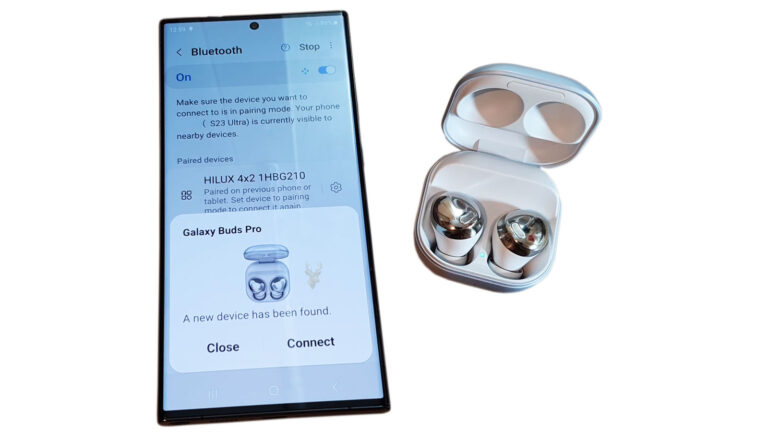
Wireless headphones and speakers can connect automatically when Windows detects them nearby. Once selected, they may remain the preferred output even after they are turned off, moved out of range, or disconnected unexpectedly.
The laptop can then appear silent because Windows is still attempting to use the unavailable Bluetooth device. Reconnecting that device or selecting the internal speakers restores the expected path without changing the speaker hardware.
Bluetooth problems can also create intermittent sound that disappears and returns as the wireless connection changes.
Volume Controls Exist in More Than One Place
The main Windows volume control is only one part of the audio level. Applications can maintain their own volume settings, websites can mute individual videos, and communication programs can choose separate playback devices.
A browser may be muted while system sounds remain audible. A video player may be turned down even though the Windows volume appears high. Some laptops also use keyboard shortcuts or manufacturer utilities that affect speaker output independently.
Comparing several sound sources helps determine whether the silence affects one application or the complete system.
- Play a Windows system sound.
- Test audio from a local media file.
- Compare more than one browser or application.
- Check whether the application itself is muted.
- Review the selected playback device.
- Test both the internal speakers and wired headphones.
A problem limited to one program should not be treated as proof that the laptop audio hardware has failed.
Headphones Provide an Important Comparison
Testing wired headphones can help separate the internal speakers from the rest of the audio system. If headphones produce clear sound while the laptop speakers remain silent, Windows and the audio driver are at least functioning well enough to create output.
The remaining possibilities may include failed speakers, disconnected speaker wiring, damaged amplification, or a headphone jack that incorrectly tells the laptop that headphones are still inserted.
If neither headphones nor speakers produce sound, the problem may exist earlier in the path, involving the selected output, driver, Windows audio services, or motherboard-level audio circuitry.
The Headphone Jack Often Contains a Mechanical Detection Switch
Many laptop audio jacks do more than carry the sound signal. They also detect when a plug has been inserted so the system can mute the internal speakers and redirect audio to the headphones.
If the internal contacts become worn, bent, contaminated, or damaged, the jack may remain electrically stuck in the headphone position after the plug is removed. Windows can then behave as though headphones are still connected.
This condition can leave the internal speakers silent even though they are not defective. Inserting and removing a plug may temporarily change the behavior, but repeated movement does not repair damaged internal contacts.
A Loose Audio Jack Can Produce Intermittent Channels
A worn headphone jack may not fail completely. Sound can play through only one side, disappear when the plug moves, crackle during insertion, or switch unpredictably between the headphones and internal speakers.
The jack may be soldered directly to the motherboard or mounted on a small separate circuit board. Repeated sideways pressure from headphone plugs, accidental impacts, or carrying the laptop with headphones connected can weaken the connector or its solder joints.
Movement-related symptoms are particularly useful because software settings do not usually change when the plug is gently moved. A clear physical pattern points more strongly toward the connector or its mounting.
| Audio Behavior | Possible Direction |
|---|---|
| Sound works through headphones but not through the internal speakers. | The speaker circuit, speaker wiring, or jack-detection switch may require attention. |
| The speakers work until headphones are connected. | The basic audio system is functioning and the problem may involve the headphones or jack. |
| Only one headphone channel works. | The plug, cable, jack contacts, or connector soldering may be damaged. |
| Sound changes when the plug is moved. | The audio jack or its mounting may be unstable. |
| Windows shows sound activity but nothing is audible. | The output may be routed elsewhere, muted, or interrupted after digital processing. |
| No playback devices appear. | The driver, Windows audio services, or audio hardware may not be detected. |
Comparing internal speakers, wired headphones, and external audio devices helps identify how far the signal travels before it disappears.
Internal Speakers Can Fail Independently
Laptop speakers are small components mounted inside the chassis and connected to the motherboard through thin wires or compact connectors. Some laptops use two separate speakers, while others include additional low-frequency components.
One speaker can fail while the other continues working. The result may sound unusually quiet, unbalanced, distorted, or as though audio is coming from only one side of the laptop.
A complete loss of both speakers at exactly the same time is possible, but shared causes such as routing, amplification, jack detection, or a disconnected cable should also be considered.
Distortion Can Be a Mechanical Symptom Rather Than a Software Error
A damaged speaker cone, loose speaker housing, debris near the grille, or cracked chassis support can produce buzzing and rattling that changes with volume. The audio driver may be operating correctly while the physical speaker cannot reproduce the signal cleanly.
Distortion limited to one side or one frequency range often points toward an individual speaker rather than the complete Windows audio system. Testing at lower volume can reveal whether the noise decreases as the speaker moves less.
Persistent crackling through both the internal speakers and headphones suggests a different problem because two separate output devices are reproducing the same unwanted signal.
Audio Drivers Translate Digital Sound Into Hardware Instructions
Applications generate digital audio, but the operating system must pass that information to the laptop’s audio hardware through a driver. The driver acts as the translator between Windows and the sound chipset installed on the motherboard.
If the driver becomes damaged, incompatible, or incomplete after a Windows update, the audio hardware may no longer appear correctly even though the speakers themselves remain functional. In some situations Windows reports that no output device is installed, while in others the playback device appears normally but produces no audible sound.
Because the driver controls communication rather than the speakers directly, software-related audio problems can resemble hardware failures until the complete signal path is examined.
Windows Audio Services Must Be Running Before Sound Can Play
Several background Windows services support audio playback. These services detect audio devices, coordinate applications, and deliver sound to the selected output hardware.
If one of these services stops unexpectedly, applications may continue operating normally while every sound source becomes silent. Videos continue playing, music applications appear active, and the volume control still responds even though no audio reaches the speakers.
A service interruption usually affects every playback application instead of only one program, making the pattern of the failure an important observation.
Audio Enhancements Can Occasionally Create Unexpected Behavior
Many laptop manufacturers include audio processing features designed to improve music, movies, voice calls, or surround sound. These enhancements may adjust equalization, dynamic range, bass response, or virtual spatial effects.
Although these features normally improve listening, damaged software components or incompatible driver updates can occasionally interfere with normal playback. The result may include distorted sound, missing channels, delayed playback, or complete silence in certain applications.
The underlying speakers may be operating correctly while the additional processing layer interrupts the signal before it reaches the hardware.
Audio Problems After a Windows Update May Have More Than One Cause
Windows updates occasionally replace audio drivers, modify hardware detection, or install newer manufacturer components. Most installations complete without noticeable changes, but some laptops require a different driver version than the one Windows installs automatically.
If sound disappears immediately after an operating-system update, the timing provides a useful clue even though it does not automatically identify the driver as the only cause. Windows may have updated the audio software, changed the preferred playback device, or introduced compatibility differences with existing hardware.
Observing exactly when the sound stopped helps distinguish a gradual hardware problem from a sudden software change.
Motherboard Audio Circuits Can Fail Even When the Speakers Are Healthy
After Windows has created the digital sound signal, dedicated audio circuitry on the motherboard converts and amplifies it before sending it to the speakers or headphone jack. Damage within this circuit can interrupt audio even though the speakers themselves remain fully functional.
Electrical damage, liquid exposure, manufacturing defects, or component failure can affect the amplifier or codec responsible for processing audio. These problems often require hardware diagnosis because reinstalling drivers cannot repair damaged electronic components.
Testing several playback devices helps determine whether the interruption occurs before or after the motherboard’s audio circuitry.
Liquid Damage Often Affects Audio Connectors Before Other Components
The headphone jack is positioned near the edge of the laptop where small liquid spills can reach it quickly. Corrosion inside the connector may interfere with the mechanical detection switch or the electrical contacts carrying the sound signal.
Even a small amount of residue can change how the internal contacts behave. The laptop may believe headphones remain connected, produce intermittent audio, or lose one channel while everything else appears normal.
Symptoms that begin shortly after moisture exposure deserve consideration beyond ordinary software troubleshooting.
USB Audio Devices Create Their Own Playback Path
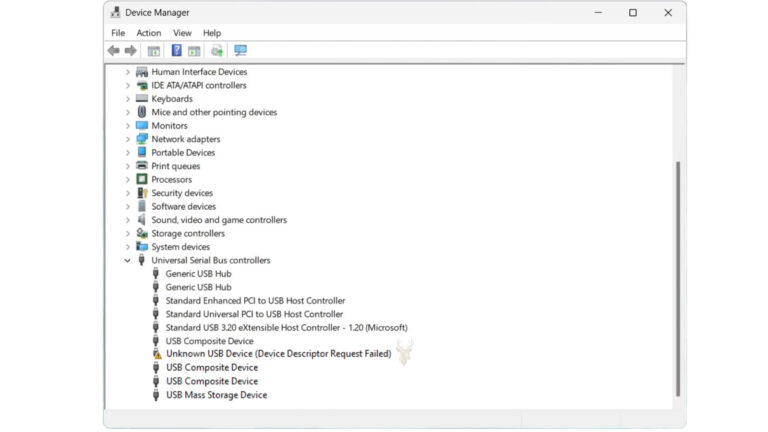
USB headsets, microphones, docking stations, and external sound adapters contain their own audio hardware. When connected, Windows may treat them as completely separate playback devices instead of using the laptop’s built-in audio system.
If sound works correctly through a USB headset while both the internal speakers and headphone jack remain silent, the operating system is still capable of producing audio. The interruption is more likely to involve the laptop’s own audio hardware or its dedicated driver.
This comparison helps narrow the problem without immediately assuming that Windows itself has stopped producing sound.
- Test the internal speakers.
- Test wired headphones.
- Try a USB audio device if one is available.
- Observe whether Bluetooth audio behaves differently.
- Compare several applications instead of only one.
Using more than one playback method makes it easier to identify where the signal path changes.
Startup Sounds Can Help Separate Windows From Individual Applications
If Windows startup sounds, notification tones, or system alerts play normally while one media application remains silent, the operating system is successfully producing audio. Attention can then shift toward the individual application, its output settings, or its supported formats.
When every source of sound disappears simultaneously, the investigation becomes broader because the interruption affects the common playback path shared by all applications.
This distinction helps avoid treating an application configuration problem as though it were a laptop hardware failure.
System Restore Can Coincide With Audio Changes Without Being the Cause
Users sometimes notice missing sound after installing software, updating drivers, restoring Windows, or making other system changes. The timing is valuable, but it does not necessarily prove that the most recent action caused the problem.
Several unrelated events may occur close together. A loose headphone jack, failing speaker connection, or developing motherboard fault can become noticeable immediately after a software update simply because the computer was restarted.
Recording the sequence of events helps build a timeline without assuming that every change represents the original cause.
| Observation | Area Worth Investigating |
|---|---|
| Internal speakers are silent but headphones work. | Speaker circuit, speaker wiring, or headphone-jack detection. |
| No playback devices appear. | Audio driver, Windows services, or hardware detection. |
| USB headset works while built-in audio does not. | Laptop audio hardware or built-in driver path. |
| Sound disappears after connecting an HDMI display. | Playback-device selection or external audio routing. |
| Audio crackles only when the headphone plug moves. | Mechanical wear or damage inside the audio jack. |
| Every application is silent after a Windows update. | Driver compatibility, playback configuration, or Windows audio services. |
Observing exactly which devices succeed and which fail often identifies the section of the audio path that deserves closer examination.
Microphone Problems Can Be Mistaken for Speaker Failure
Laptop audio includes both playback and recording. The speakers and headphone jack handle sound leaving the computer, while microphones capture sound entering it. A problem with one side does not automatically affect the other.
During a video call, another person may report silence even though the laptop speakers work normally. In that situation, the problem may involve the selected microphone, privacy settings, recording level, headset connection, or internal microphone hardware rather than the playback system.
Separating recording from playback prevents a microphone problem from being described broadly as complete audio failure.
Combination Audio Jacks Require the Correct Plug Type
Many laptops use one combination jack for both headphones and a microphone. These connectors are designed for plugs with several separate contact sections carrying left audio, right audio, ground, and microphone signals.
Traditional headphones without a microphone usually work for playback, but older headsets or accessories wired to another contact standard may behave unpredictably. Sound can become faint, distorted, limited to one channel, or accompanied by microphone problems.
An adapter may be required when connecting separate headphone and microphone plugs to a laptop that provides only one combined port. The physical plug fitting into the opening does not guarantee that every contact is aligned correctly.
Headset Cables Can Fail Near the Plug
Headphone and headset cables experience repeated bending where the wire enters the plug. Internal conductors can break gradually while the outer insulation remains intact.
The result may include sound in only one ear, intermittent microphone operation, crackling, or audio that changes when the cable is moved. These symptoms can resemble a damaged laptop jack because both problems react to movement near the connector.
Testing the headset on another device and testing another known working headset on the laptop helps determine which side of the connection is responsible.
Speaker Wiring Can Be Disturbed During Other Laptop Repairs
Internal speaker cables are often routed beneath the battery, palm rest, motherboard, or bottom cover. Repairs involving those areas may require the speaker connector to be disconnected temporarily.
If the connector is not seated fully during reassembly, the laptop can return to service with normal Windows audio indicators but silent internal speakers. A pinched or damaged wire can produce similar behavior.
Audio loss beginning immediately after battery replacement, keyboard work, motherboard service, or chassis disassembly should include inspection of the internal speaker connection in the diagnostic process.
Docking Stations Can Retain Their Own Audio Selection
Some docking stations provide headphone jacks, USB audio hardware, HDMI outputs, or DisplayPort audio. When the laptop is docked, Windows may select one of these external paths automatically.
After the laptop is removed, the operating system may not immediately return to the internal speakers. An unavailable docking-station output can remain selected, leaving the laptop silent even though the dock is no longer connected.
Comparing audio behavior while docked and undocked helps identify whether the problem follows the laptop or the external equipment.
Sound That Returns After Restarting Still Deserves Attention
Restarting Windows can reload audio services, reinitialize the driver, and detect playback devices again. This may restore sound temporarily after a software interruption.
A temporary recovery does not identify the original cause. If the silence returns regularly, the pattern may involve an unstable driver, failing service, changing output selection, intermittent jack detection, or developing hardware trouble.
Recording what was connected and which application was active before each failure can help reveal a repeatable condition that a restart temporarily hides.
Reinstalling the Driver Is Not Always the First Step
Removing and reinstalling audio software can be useful when the driver is damaged, but it also changes the current configuration and can remove evidence about which playback devices were present.
Before making broad software changes, it is useful to confirm the selected output, compare speakers and headphones, test more than one application, and review whether the problem began after a specific update or hardware event.
If the audio jack reacts to movement or only one physical output fails, repeated driver installation is less likely to correct the underlying problem.
Testing Should Follow the Audio Signal From Beginning to End
An organized audio test begins with a source that is known to contain sound. From there, the selected playback device, Windows volume, application volume, driver status, external connections, and physical outputs can be checked in sequence.
- Confirm that the application is producing audio.
- Check the active Windows playback device.
- Review the system and application volume controls.
- Disconnect unnecessary HDMI, Bluetooth, USB, and docking devices.
- Compare the internal speakers with wired headphones.
- Observe whether sound changes when the plug or screen position moves.
- Review driver and service behavior only after the output path is confirmed.
Changing one part of the signal path at a time provides clearer information than reinstalling software, replacing speakers, and changing several settings simultaneously.
Different Results Point Toward Different Repair Directions
| Test Result | Likely Area of Attention | What the Result Does Not Prove |
|---|---|---|
| Headphones work, but the internal speakers do not. | Speaker wiring, speaker hardware, amplification, or jack detection. | That Windows audio processing has completely failed. |
| Internal speakers work, but headphones do not. | The headset, plug compatibility, audio jack, or jack contacts. | That the internal speakers and driver are defective. |
| USB audio works, but all built-in outputs remain silent. | The laptop’s internal audio driver or motherboard audio path. | That Windows cannot generate sound at all. |
| Sound works in one application only. | Application settings, format support, or per-program volume. | That every laptop audio component is operating correctly. |
| Sound changes when the headphone plug moves. | Jack wear, connector damage, or a failing headset cable. | That software is the only cause. |
| No sound device is detected anywhere in Windows. | Driver installation, disabled hardware, services, or motherboard detection. | That the speakers alone have failed. |
Each comparison removes some possibilities while leaving others open. The strongest diagnosis comes from combining several observations rather than relying on one test alone.
Important Work Should Be Saved Before Hardware Disassembly
Audio repair may require removal of the bottom cover, battery, palm rest, or motherboard depending on where the speakers and jack are located. Although the audio problem itself may not threaten personal files, any internal repair introduces a reason to protect important information first.
A current backup is particularly important when the laptop has also experienced liquid exposure, impact damage, unstable power, or other symptoms suggesting a broader hardware condition.
Preserving files before disassembly keeps a manageable sound problem from becoming unnecessarily connected to a separate data concern.
A Silent Laptop Does Not Always Need New Speakers
Missing sound can originate from a muted application, incorrect output device, unavailable Bluetooth connection, HDMI routing, damaged driver, stopped Windows service, worn headphone jack, disconnected speaker cable, failed internal speaker, or motherboard audio circuit.
The most useful question is not simply whether the laptop has sound, but where the sound remains available. Comparing internal speakers, wired headphones, USB audio, Bluetooth devices, and external displays reveals how far the signal travels before it disappears.
Once the working and nonworking paths are separated, software settings, connectors, speakers, and motherboard circuitry can be evaluated in a logical order. That approach reduces unnecessary part replacement and makes intermittent audio behavior easier to explain.