Examining Black Screens, Unresponsive Inputs, and Other Problems That Appear After a Computer Enters a Low-Power State
Sleep mode is intended to make a computer available again within seconds. Open programs remain in place, unfinished documents stay on the screen, and the system uses much less power than it would during normal operation. A brief press of the power button, movement of the mouse, or touch of the keyboard should return the computer to the same working session.
Problems begin when that transition does not complete correctly. The computer may appear to wake while the display remains black, the keyboard lights may turn on without accepting input, or the system may restart and lose the session that was open before sleep. Some machines resume normally most of the time and fail only after remaining asleep overnight.
These symptoms involve more than one possible area. Windows must place the processor, memory, storage, graphics hardware, network devices, and connected accessories into appropriate power states and later restore them in the proper order. A failure at one stage can leave the computer partly awake and partly unavailable.
Sleep Is Not the Same as a Complete Shutdown
During a normal shutdown, Windows closes the working session and prepares the computer to begin again from a fresh startup. Sleep mode takes a different approach. It preserves the current session in memory while placing much of the hardware into a reduced-power condition.
Because memory still requires power, a sleeping computer is not completely off. Indicator lights may blink, certain USB ports may remain active, and network hardware may continue listening for approved wake signals. The exact behavior depends on the computer design and selected power settings.
This difference explains why a machine can start normally after a full shutdown yet fail repeatedly after sleep. The ordinary startup path may be healthy while the more complicated resume process is not restoring one device correctly.
A Black Screen Can Hide a Computer That Has Already Resumed
One of the most common complaints is a dark display after the computer appears to wake. Fans may begin spinning, the power light may become steady, and sounds from Windows may be heard even though no picture returns.
That pattern suggests the complete system is not necessarily frozen. The graphics driver, display panel, monitor connection, or display power state may have failed to recover while the rest of Windows continued operating.
- Keyboard indicator lights respond even though the screen remains dark.
- Windows notification sounds can still be heard.
- An external monitor displays an image while the laptop panel stays black.
- The mouse pointer is absent, but network activity continues.
- A forced restart restores the picture until the next sleep cycle.
Recognizing signs of activity prevents every dark screen from being treated as a complete power failure.
The Computer May Wake Only Partway
A failed resume does not always leave the machine completely unresponsive. The display may return while the keyboard remains inactive, the mouse may move but applications never respond, or the desktop may appear without reconnecting to the wireless network.
This partial recovery often means that Windows restored some devices but not others. Each component has its own driver and power-management behavior, so one device can remain suspended while the rest of the computer continues waking.
The missing function provides an important clue. Loss of video points toward the graphics and display path, while a disconnected network or inactive USB device suggests a different driver or controller.
| Condition After Resume | Area Worth Examining |
|---|---|
| Power light is on, but the display remains black | Graphics driver, screen output, monitor connection, or display power state. |
| Desktop returns, but the keyboard and mouse do not respond | USB controller, input drivers, or device power settings. |
| Windows resumes without a network connection | Wireless or Ethernet driver recovery. |
| The machine restarts instead of restoring the session | Resume failure, system crash, firmware, or unstable hardware. |
| Programs remain open but the system is extremely slow | Storage activity, memory recovery, background maintenance, or a driver delay. |
Different Wake Methods Can Produce Different Results
Depending on the computer, sleep may end after pressing the power button, opening the laptop lid, touching a key, moving the mouse, or receiving a network signal. Not every device is always authorized to wake the system.
A keyboard that works normally after Windows resumes may still be unable to begin the wake process. Likewise, a wireless mouse may remain disconnected until the computer has already returned to full operation.
Trying a different approved wake method can reveal whether the machine is failing to resume or simply ignoring one particular device. A brief press of the power button is generally different from holding it long enough to force the computer off.
Closing the Laptop Lid Can Trigger Several Actions
Laptops commonly enter sleep when the lid is closed, but Windows can also be configured to shut down, hibernate, or take no action. Different choices may be assigned for battery operation and AC power.
This can create inconsistent behavior. The laptop may sleep while unplugged but remain fully active inside a closed bag when connected to its charger. In another configuration, closing the lid may begin hibernation rather than ordinary sleep, producing a longer delay when the computer is opened again.
Checking the assigned lid action is important whenever the complaint begins specifically after the screen is closed. The computer may be following a power instruction that no longer matches the user’s expectations.
A Faulty Lid Sensor Can Confuse the Resume Process
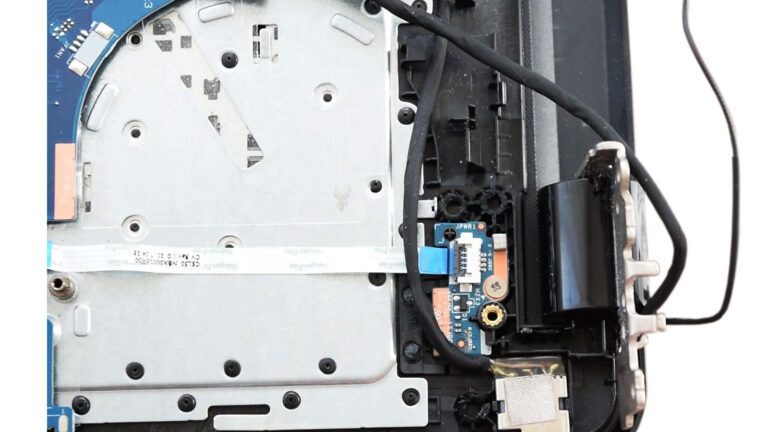
The laptop must detect whether its display is open or closed. Depending on the model, this may involve a magnetic sensor, mechanical switch, or another device built into the screen and palm-rest area.
If the sensor remains in the closed position after the lid is opened, the laptop may continue keeping the screen dark or attempt to return to sleep immediately. The computer can appear active for a moment and then become unavailable again.
- The display turns off at unusual lid angles.
- The laptop wakes only after the lid is moved several times.
- The screen goes dark when pressure is applied near the sensor area.
- The problem begins after display, hinge, or palm-rest service.
- An external monitor remains active while the built-in screen is treated as closed.
A lid-sensor problem differs from ordinary graphics trouble because the computer may be intentionally turning the display off based on an incorrect physical reading.
Graphics Drivers Play a Major Role During Resume
The graphics system must restore the display resolution, refresh operation, brightness, connected monitors, and video memory state after sleep. A driver that handles ordinary desktop work correctly can still fail during this transition.
The problem may appear after a graphics update, Windows installation, system recovery, or installation of software that changes display behavior. Laptops with both integrated and dedicated graphics can be especially sensitive because Windows may need to restore more than one graphics component.
A stable startup followed by repeated black screens only after sleep makes the resume path more significant than the display panel itself. The timing should be compared with any recent driver or operating-system changes.
USB Devices Can Prevent Sleep or Disrupt Wake-Up
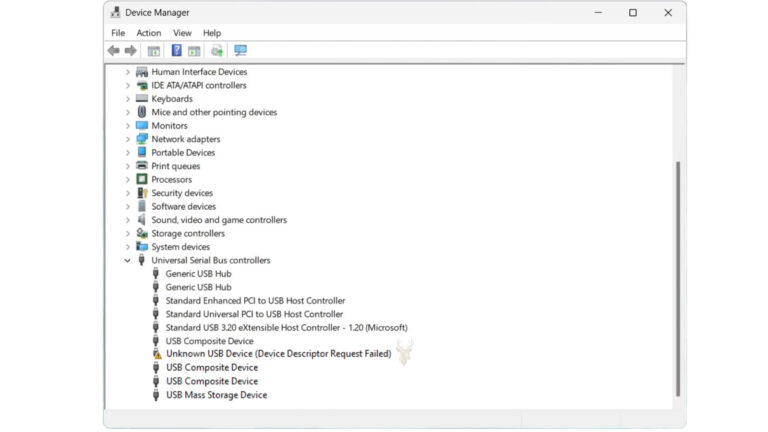
External hard drives, printers, docking stations, webcams, controllers, and other USB devices participate in the computer’s power-management process. A device that does not enter or leave its low-power state correctly can delay sleep, wake the computer immediately, or leave the system unresponsive after resume.
The connection between the symptom and one accessory may not be obvious. A laptop can appear to have a Windows problem until the same sleep test is performed with unnecessary USB equipment disconnected.
Comparing behavior with a minimal set of connected devices is often more informative than changing several power settings at once.
Docking Stations Add Another Power and Display Layer
A docking station can control external monitors, USB accessories, network connections, audio devices, and charging through one attachment. Sleep and resume must therefore restore communication between the laptop and several docked components at the same time.
A computer that wakes normally when used alone but fails while docked may have a dock firmware issue, display-handshake problem, power-delivery conflict, or driver condition involving one attached device.
Testing the laptop outside the dock provides a clean comparison without assuming that the computer itself is the only part involved.
Network Adapters May Fail to Reconnect After Resume
A computer can return from sleep with the desktop fully visible while its wireless or wired connection remains unavailable. The network adapter may still appear in Windows, but it has not completed the transition back to normal operation.
This condition often becomes obvious when websites fail to open, shared folders disappear, or a business application reports that the server cannot be reached. Restarting the adapter or the computer may restore access temporarily, but the repeated pattern suggests that the device is not recovering correctly from its low-power state.
Wireless adapters are especially sensitive to driver and power-management settings. A machine that connects reliably after a full startup but loses networking only after sleep provides a much narrower troubleshooting path than one that has connection problems throughout the day.
Storage Devices Also Participate in the Resume Process
Hard drives and solid-state drives enter reduced-power states while the computer sleeps. During resume, Windows expects them to become available quickly enough to restore the session and continue reading open files.
A mechanical drive that is slow to spin up, a storage controller with an unstable driver, or a drive beginning to fail can delay the process. The desktop may appear while programs remain frozen because Windows is still waiting for information from storage.
- The computer wakes but remains unresponsive for several minutes.
- Drive activity continues constantly after resume.
- Open programs display errors when accessing saved files.
- The system eventually restarts after appearing stuck.
- The same storage device produces delays during ordinary startup.
Resume problems accompanied by unusual drive noise, missing files, or repeated storage errors should not be treated as power-setting issues alone.
Low Battery Power Can Interrupt a Sleeping Session
A laptop continues using a small amount of energy while asleep because its memory must preserve the open session. If the battery is already low or heavily worn, the remaining charge may not last as long as expected.
The laptop may shut down completely while closed, leaving the user to believe that sleep failed. In other situations, Windows may move the session into hibernation automatically before the battery becomes critically low.
The behavior can vary depending on battery condition, selected power plan, and the length of time the laptop remains unused. A battery that loses charge rapidly during sleep may also indicate that background devices are consuming more power than intended.
Sleep and Hibernation Preserve the Session in Different Ways
Sleep keeps the working session in memory and requires a small, continuous supply of power. Hibernation writes the session to storage and then powers the computer down more completely.
Because hibernation restores information from the drive rather than keeping it active in memory, resuming usually takes longer. It can also expose storage problems that do not appear during ordinary sleep.
A user may think the computer entered sleep when Windows actually selected hibernation after a period of inactivity or low battery. The longer wake-up time is then normal for the chosen power state rather than evidence of failure.
Hybrid Sleep Combines Memory and Storage Protection
Some Windows systems use a feature called hybrid sleep. The current session remains in memory for quick recovery, but a second copy is also written to storage in case electrical power is lost.
This arrangement provides additional protection on desktop computers, where a power outage would otherwise erase a sleeping session. It also adds another step to the transition because Windows must prepare both memory and storage before sleep is complete.
A computer that takes an unusually long time to enter sleep may be completing this storage activity, especially when many programs or large files remain open.
Software Can Delay or Prevent the Computer From Sleeping
Programs can request that Windows remain awake while they complete important work. A backup application may be copying files, a media player may be presenting video, or an installation process may need to finish before power is reduced.
Most legitimate requests end when the task is complete. Trouble begins when a program remains stuck, continues reporting activity, or leaves a background service running indefinitely. The computer may turn off its display while never entering true sleep.
- Backup or synchronization software remains active.
- A media application prevents automatic sleep.
- An unfinished installation continues in the background.
- A communication program keeps an audio device active.
- A damaged service repeatedly restarts and interrupts the transition.
The screen turning dark is not proof that the computer has entered sleep. Fan noise, drive activity, heat, and indicator lights can reveal that the system is still operating.
Scheduled Tasks Can Wake a Computer Without User Input
Windows and installed programs can schedule maintenance, updates, backups, or scans to occur at specific times. Some tasks are allowed to wake the computer so they can run even when no one is present.
A machine that repeatedly wakes during the night may therefore be responding to an approved schedule rather than a defective power button or random electrical problem. The timing often remains consistent from one day to the next.
Automatic maintenance is useful, but unwanted wake activity can become disruptive when the computer is kept in a bedroom, carried inside a bag, or expected to remain asleep on battery power.
Network Wake Features Can Start the Computer Remotely
Some computers allow a network signal to wake them for remote access, updates, or business administration. This feature is commonly associated with Wake-on-LAN and similar power-management options.
If the network adapter reacts to ordinary traffic instead of only the intended wake signal, the computer may resume unexpectedly. The user may find it running without knowing that network activity initiated the change.
This possibility becomes more relevant on office networks, systems managed remotely, and computers connected through docking stations or wired Ethernet.
A Sensitive Mouse Can Wake the System Repeatedly
Small vibrations can move an optical mouse enough to send activity to the computer. A desk being bumped, a pet brushing the cable, or vibration from nearby equipment may wake the machine even though no one intentionally touched it.
Wireless mice can also produce wake events as they reconnect or register slight movement. Disabling wake permission for the mouse does not prevent normal use after the computer has already resumed; it only changes whether that device can begin the wake process.
A computer that wakes immediately after being placed into sleep should be tested with unnecessary input devices disconnected or prevented from waking the system.
Firmware Coordinates Hardware Power States
Windows does not manage sleep by itself. The motherboard firmware provides information about supported power states and helps control how the hardware responds when power is reduced or restored.
Outdated firmware can cause trouble with graphics, USB controllers, storage devices, fans, and lid sensors during resume. Problems may also begin after firmware settings are reset or changed.
A firmware update should not be applied casually during an unstable power condition, but firmware history becomes relevant when sleep problems affect several devices and continue across different Windows configurations.
Memory Problems Can Damage the Preserved Session
Ordinary sleep depends on system memory retaining the information that was active before the computer entered its low-power state. Unstable memory can corrupt part of that session and prevent Windows from resuming correctly.
The result may be a frozen screen, an automatic restart, a blue screen error, or programs that reopen in a damaged state. Similar instability may also appear during normal use, especially under heavier workloads.
Sleep failure alone does not prove that memory is defective. The possibility becomes more important when the computer also experiences random crashes, file corruption, or errors during memory testing.
Long Sleep Periods Can Reveal Problems That Short Tests Miss
A computer may resume correctly after five minutes and fail after remaining asleep overnight. During a longer interval, battery charge can fall, network wake events can occur, scheduled tasks may run, and the system may transition from sleep into hibernation.
Short testing therefore does not always reproduce the complaint. Recording the length of the sleep period, whether the charger was connected, and whether the machine was moved can help explain why the behavior appears inconsistent.
A reliable pattern often emerges only after comparing brief daytime sleep with extended overnight use.
Event Logs Can Reveal What Happened During the Failed Resume
Windows records many power transitions, driver failures, unexpected restarts, and system errors in its event logs. These records can help determine whether the computer resumed normally, encountered a device problem, or restarted after a crash that was not immediately visible to the user.
The time of the failed wake-up should be compared with entries involving power management, graphics, storage, networking, and unexpected shutdowns. One isolated warning may not be meaningful, but repeated events appearing after every failed resume can establish a useful pattern.
Event logs are most helpful when they are matched with a specific incident rather than reviewed as a long list of unrelated messages accumulated over months of normal operation.
A Power Report Can Identify Devices Blocking Sleep
Windows includes diagnostic commands that can report active power requests, recent wake sources, and devices permitted to wake the computer. These reports can help explain why a system refuses to remain asleep or resumes without anyone touching it.
A media application, audio driver, network adapter, or scheduled task may be keeping the machine active for a legitimate reason. The same report can also expose a device that continues requesting power because its driver is not completing the transition correctly.
The information should be interpreted carefully. A listed device is not automatically defective; it may simply be following the permissions already assigned to it.
Recent Changes Provide a Useful Starting Point
Sleep trouble that begins suddenly often follows a change to the system. A graphics update, docking-station driver, new USB device, firmware revision, security program, or Windows update can alter the way hardware enters and leaves low-power states.
The change itself may not be defective. It may simply expose a compatibility issue that did not exist under the previous configuration. Reviewing the timing helps narrow the search before older, unrelated hardware is blamed.
- A new driver was installed shortly before the problem began.
- The issue appeared after connecting a dock or external display.
- Sleep worked normally before a firmware or Windows update.
- A new USB accessory remains attached during every failed resume.
- The computer began restarting after a battery or hardware repair.
A clear timeline often provides stronger evidence than changing several power settings without knowing which event introduced the problem.
Testing With Fewer Connected Devices Can Simplify the Problem
A useful test is to place the computer into sleep with unnecessary accessories disconnected. External storage, printers, cameras, controllers, USB hubs, docks, and secondary monitors can all add another power-management step.
If the machine resumes normally in a simplified configuration, the devices can be reconnected one at a time until the problem returns. This approach provides more useful information than repeatedly restarting the same complete setup.
Essential devices should not be removed from a managed business system without understanding their purpose, but temporary comparison remains valuable when performed carefully.
Changing Every Power Setting at Once Makes Diagnosis Harder
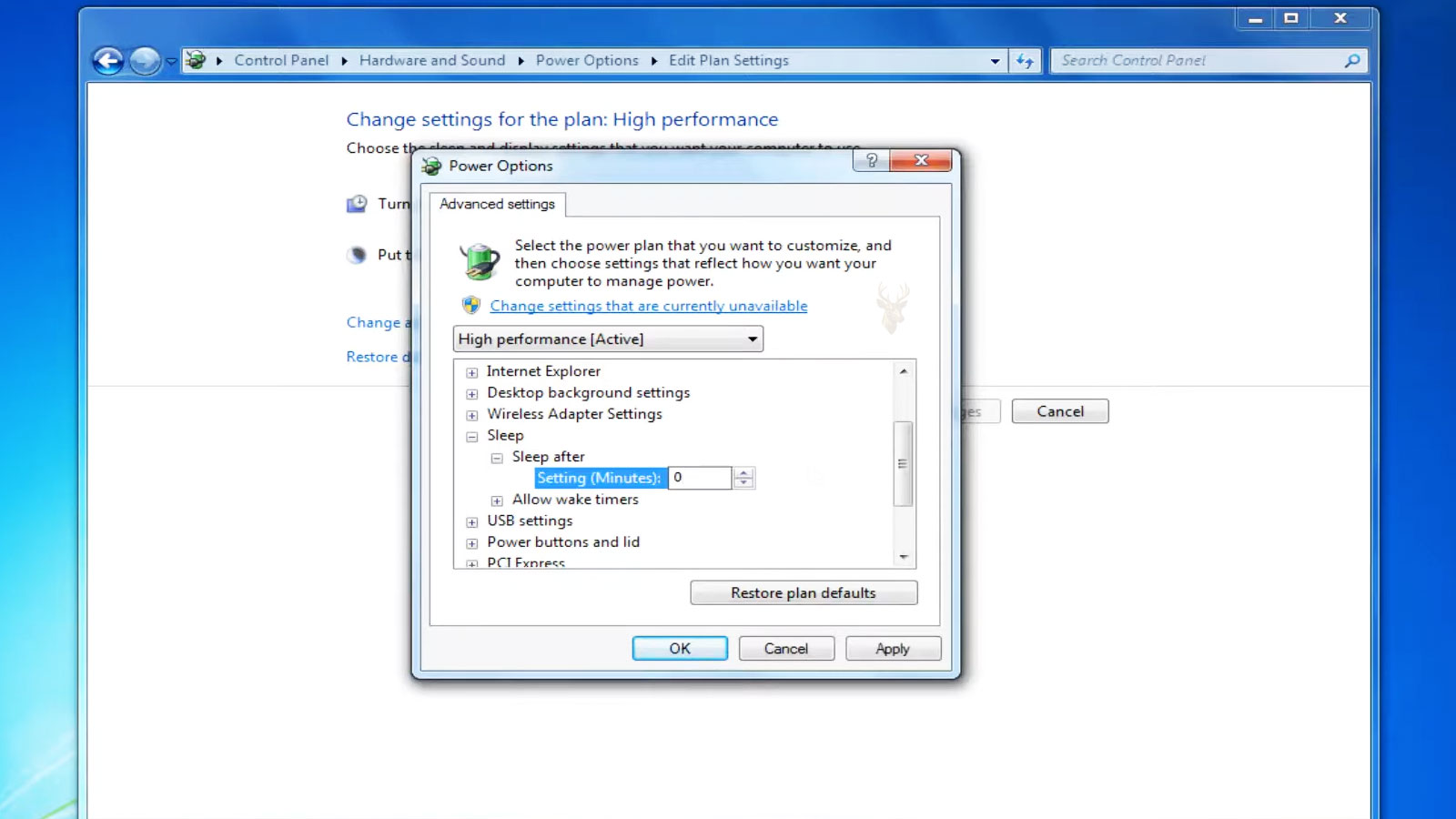
Sleep problems often lead users to disable several features at the same time. USB power saving, network wake permissions, hybrid sleep, hibernation, fast startup, lid actions, and display timers may all be changed during one troubleshooting session.
If the problem disappears, it becomes difficult to know which adjustment mattered. If a new problem appears, returning the system to its previous state can be equally confusing.
Changing one area at a time and testing under the same conditions creates a clearer record of cause and effect. The objective is to identify the failing transition, not simply to disable every feature connected to power management.
A Full Shutdown Provides an Important Comparison
A computer that starts normally after shutdown but fails after sleep is showing that its ordinary startup process remains more reliable than its resume process. This distinction can prevent unnecessary replacement of parts that work correctly during every cold start.
If both startup and resume fail in similar ways, the problem may extend beyond power-state recovery. Storage, memory, graphics hardware, power delivery, or broader Windows corruption may be involved.
| Comparison Result | Possible Direction |
|---|---|
| Cold startup works, but sleep resume fails | Power management, device recovery, drivers, or firmware. |
| Both startup and resume show a black screen | Display, graphics, motherboard, or broader hardware trouble. |
| Resume fails only with accessories attached | One external device or dock may be disrupting recovery. |
| Resume works after a full battery charge | Battery condition or low-power behavior may be contributing. |
The comparison does not provide a complete diagnosis, but it helps establish whether the problem belongs specifically to sleep or affects the computer more generally.
Repeated Forced Shutdowns Can Create Additional Problems
Holding the power button may be necessary when the computer is completely unresponsive, but it should not become the routine method of leaving a failed wake-up. A forced shutdown interrupts the operating system without allowing open files, updates, and background tasks to close normally.
Repeated use can contribute to file corruption, incomplete updates, lost work, and storage errors. It may also hide the original symptom because the computer returns through a fresh startup instead of completing the resume sequence that failed.
Important work should be saved before placing an unreliable system into sleep until the source of the problem is better understood.
Resetting Windows Is Not the First Step for Every Sleep Complaint
Reinstalling or resetting Windows may correct severe operating-system corruption, but it is a broad response to a problem that may involve one driver, one accessory, firmware, battery condition, or a damaged hardware component.
A clean Windows installation also cannot repair a faulty lid sensor, unstable memory, failing storage device, loose display connection, or defective motherboard circuitry. Software replacement is most useful after hardware and configuration patterns have been considered.
Preserving a record of the original symptoms is important before making major changes because a fresh installation can remove evidence that helped identify when the failure occurred.
Some Systems Are More Reliable With Hibernation Than Sleep
A computer with persistent resume trouble may operate more reliably when hibernation is used instead of ordinary sleep. Hibernation stores the session on the drive and powers the machine down more completely, avoiding some device states that remain active during sleep.
This can be a practical temporary choice, especially for a laptop that must preserve open work overnight. It does not identify or repair the underlying cause, and it may not be suitable if the storage system is slow or unreliable.
The longer resume time should be weighed against the greater chance of restoring the session successfully.
Reliable Testing Requires Repeating the Same Conditions
Intermittent power problems are difficult to evaluate when every test is performed differently. The charger may be connected during one attempt, a dock may be attached during another, and the computer may remain asleep for five minutes one day and eight hours the next.
Repeating the test with the same power source, connected devices, open programs, and sleep duration makes the result more meaningful. After a stable baseline is established, one variable can be changed at a time.
- Save open work before beginning.
- Record whether the charger and accessories are connected.
- Place the computer into sleep using the same method.
- Wait for a consistent period.
- Wake it using the same button or device.
- Note exactly which functions return and which remain unavailable.
Consistent testing turns a vague complaint into a repeatable condition that can be investigated more accurately.
Restoring a Complete Working Session
A successful wake-up requires more than the power light turning on. The display, input devices, storage, networking, graphics, and open applications must all return to a usable state. A failure in any one of those areas can make the entire resume process appear unsuccessful.
The most useful evidence comes from identifying what remains active, what fails to return, and which conditions make the problem repeat. Comparing sleep with shutdown, removing unnecessary accessories, reviewing recent changes, and testing one setting at a time provides a much clearer direction than treating every failed wake-up as the same Windows problem.