Building a Backup Plan Before a Computer or Storage Device Fails
Important files often appear secure simply because they have remained accessible for years. Photographs open normally, business records remain inside familiar folders, and documents continue saving without errors. That everyday reliability can create the impression that the information will always be available whenever it is needed.
Every storage device eventually becomes vulnerable to failure, accidental deletion, electrical damage, theft, liquid exposure, malware, or another unexpected event. A backup created after the computer has stopped working is no longer preventive protection; at that point, recovering the information may depend entirely on the condition of the original device.
A practical backup plan creates additional copies before trouble begins. The purpose is not simply to duplicate every file, but to ensure that irreplaceable information remains available even when one computer, drive, account, or physical location can no longer be trusted.
One Copy Is Not a Backup
A file stored only on the computer exists in one location, regardless of how important it may be. Moving that file from the desktop into another folder does not create protection because both locations remain on the same storage device.
Even a second internal drive may provide only limited protection if both devices remain inside the same computer. A power surge, liquid spill, theft, fire, or severe hardware failure could affect the complete system at once.
- Original file on the computer
- Additional copy on a separate external drive
- Optional copy in secure cloud or network storage
- Older versions retained when changes must be reversible
- Periodic verification that the copies still open correctly
The strength of a backup comes from separation. If one copy becomes unavailable, another should remain accessible through a different device, account, or physical location.
Begin With the Files That Cannot Be Replaced
Not every file has the same value. Applications and operating systems can often be installed again, while family photographs, original artwork, financial records, customer information, school projects, and years of personal documents may be impossible to recreate.
Prioritizing irreplaceable information makes the backup process easier to manage. Once the most valuable folders are protected, less critical files can be added according to available storage capacity and personal needs.
| File Type | Replacement Difficulty | Backup Priority |
|---|---|---|
| Personal photographs and videos | Often impossible to recreate | Very high |
| Business and financial records | May be legally or operationally important | Very high |
| Original work and school projects | Requires substantial time to reproduce | High |
| Downloaded software installers | May be downloadable again | Moderate |
| Temporary files and caches | Usually recreated automatically | Low |
A backup plan does not need to begin with every byte stored on the computer. Protecting the most valuable information first provides meaningful coverage immediately.
External Drives Provide a Practical Local Copy
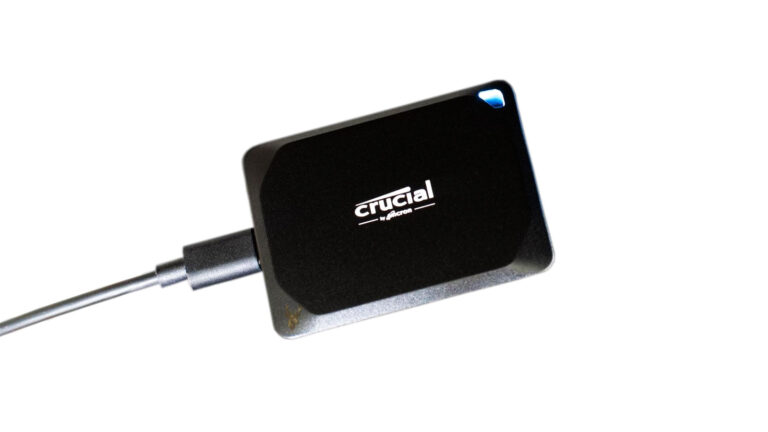
An external hard drive or solid-state drive can store large amounts of information without requiring changes inside the computer. Files may be copied manually, synchronized through backup software, or included in an automated schedule.
Local backups are convenient because they can restore large collections quickly without depending on internet speed. They also provide direct control over where the information is stored.
- Large storage capacity at a practical cost
- Fast restoration of many files
- No continuous internet connection required
- Can be disconnected and stored separately
- Suitable for complete computer or folder backups
The external drive should not remain permanently connected without considering the risks. Malware, electrical damage, accidental deletion, or file synchronization errors may affect both the computer and an attached backup device at the same time.
Cloud Storage Adds Physical Separation
Cloud-based storage keeps copies of selected files on remote systems rather than inside the same home or office. This separation can protect information when the original computer and local backup are lost together through theft, fire, flooding, or another event affecting the physical location.
Many cloud services can synchronize folders automatically, but synchronization and backup are not always identical. If a file is deleted or changed on the computer, the same change may be reproduced in the cloud unless version history or recovery features are available.
| Cloud Feature | Practical Value |
|---|---|
| Remote storage | Protects against loss of the local computer and drives |
| Automatic synchronization | Keeps selected folders current across devices |
| Version history | May restore earlier versions after unwanted changes |
| Account access | Allows files to be reached from another computer |
| Encryption and security controls | Help protect information from unauthorized access |
Account security, storage limits, privacy needs, internet availability, and restoration speed should all be considered before relying on one cloud provider as the only backup location.
Synchronization Can Copy Mistakes
Automatic synchronization is useful because changes appear across several devices without manual copying. The same convenience can become a weakness when an accidental deletion, corrupted file, or unwanted modification is synchronized everywhere before it is noticed.
A true backup should preserve enough separation or version history to recover from mistakes. If every copy changes immediately whenever the original changes, the system may provide convenience without offering complete protection.
- Confirm whether deleted files can be restored.
- Review how long older versions remain available.
- Keep at least one copy outside the active synchronization process.
- Verify that important folders are actually included.
- Do not assume a green synchronization icon proves every file is protected.
Understanding the difference between synchronization and backup helps prevent a routine mistake from spreading across every available copy.
Automatic Backups Reduce Dependence on Memory
Manual backups work only when someone remembers to perform them consistently. Busy schedules, travel, deadlines, and ordinary distractions can leave weeks or months of new work unprotected between copies.
Scheduled backup software reduces that risk by copying selected information automatically at regular intervals. The schedule should reflect how often the files change and how much recent work could reasonably be lost.
| File Activity | Possible Backup Frequency |
|---|---|
| Business records changing every day | Daily or more frequent protection |
| School or creative projects under active work | Daily during the project |
| Personal photographs added occasionally | After each important collection or event |
| Archived files that rarely change | Periodic verification rather than constant copying |
| System configuration and applications | According to recovery needs and major changes |
No schedule is perfect for every user. The appropriate interval depends on how much new information is created and how difficult it would be to reproduce the work completed since the previous backup.
The Right Backup Frequency Depends on the Information
Not every computer requires the same backup schedule. A business database that changes throughout the day deserves more frequent protection than a personal archive that is updated only a few times each year. The appropriate interval depends on how much recent work could realistically be lost if the primary storage device failed unexpectedly.
Instead of choosing an arbitrary schedule, it is often more practical to consider how much new information is created between backups and how difficult that information would be to recreate.
| Type of Information | Suggested Backup Approach |
|---|---|
| Business documents | Frequent scheduled backups. |
| Active creative projects | Protect changes throughout the project. |
| Family photographs | Create a backup after each important collection. |
| Reference archives | Periodic verification and additional copies. |
| System configuration | Backup before major software or hardware changes. |
The goal is to reduce the amount of work that could disappear between one backup and the next.
Offline Copies Provide Additional Protection
A backup device that remains permanently connected to the computer may still be affected by electrical damage, malware, accidental deletion, or user error. Disconnecting a backup drive after the copying process is complete creates another level of separation between the original files and their backup.
Keeping at least one backup disconnected when it is not actively being updated helps reduce the possibility that a single unexpected event will affect every available copy simultaneously.
- Disconnect external backup drives after use.
- Store backup media in a safe location.
- Protect drives from excessive heat and moisture.
- Label backup devices clearly.
- Rotate between more than one backup drive when practical.
Malware Can Affect More Than the Original Files
Malicious software may damage, encrypt, delete, or modify information stored on accessible drives. If backup devices remain connected or synchronized continuously, they may also be affected before the problem is discovered.
Maintaining isolated copies and reviewing backup history helps preserve recovery options even if the original computer becomes compromised.
| Protective Practice | Benefit |
|---|---|
| Offline backup copy | Reduces exposure to malware. |
| Version history | Allows restoration of earlier files. |
| Multiple backup locations | Avoids dependence on a single copy. |
| Updated security software | Helps reduce the chance of infection. |
| Regular backup verification | Confirms files remain accessible. |
Version History Can Recover Earlier Changes
Sometimes the problem is not complete data loss but an unwanted change that occurred days or weeks earlier. Documents may be edited accidentally, spreadsheets overwritten, or project files saved incorrectly without anyone realizing it immediately.
Backup systems that retain previous versions provide an opportunity to restore an earlier copy rather than accepting the most recent modification as permanent. The usefulness of this feature depends on how many historical versions are retained and how long they remain available.
Version history complements ordinary backups by protecting against mistakes that become apparent only after some time has passed.
File Backups and System Images Serve Different Purposes
Copying individual files protects documents, photographs, videos, and other personal information. A complete system image captures a much larger snapshot that may include the operating system, installed software, settings, and user files together.
Both approaches have advantages. File backups make it easy to restore individual documents, while a system image may simplify recovery after a complete drive failure by restoring much of the computer’s previous configuration.
- File backups protect individual folders and documents.
- System images preserve larger portions of the computer.
- Both methods benefit from separate storage devices.
- Important files may still deserve additional independent copies.
- Periodic updates keep backups aligned with current information.
A Backup Should Be Verified Regularly
A backup that cannot be restored provides little practical protection. Storage devices can develop errors, files may become corrupted, and scheduled backup jobs may stop running without attracting attention.
Occasionally opening several backed-up files, confirming that folders appear complete, and reviewing backup reports helps verify that the protection remains usable rather than simply assuming everything continues working correctly.
| Verification Step | Purpose |
|---|---|
| Open several backed-up documents | Confirm files remain readable. |
| Review backup logs | Identify incomplete or failed jobs. |
| Compare important folders | Ensure recent files are included. |
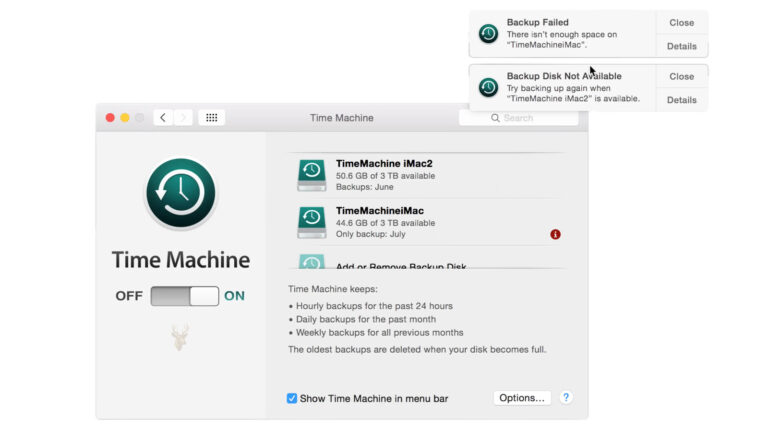
| Check available storage space | Prevent backup interruption. |
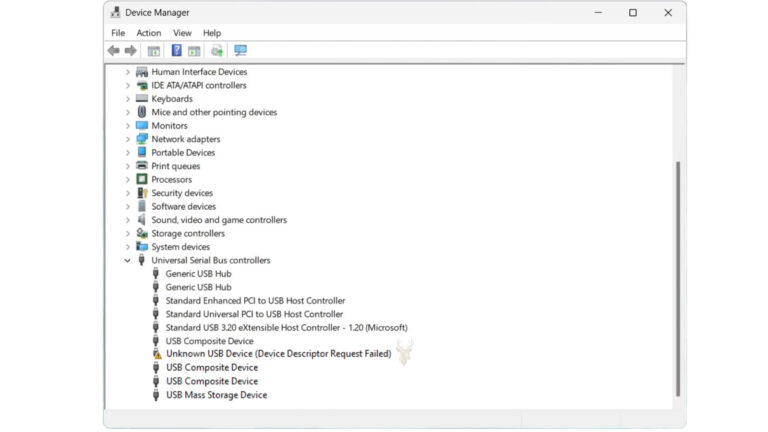
| Inspect backup hardware | Confirm the storage device remains healthy. |
Encryption Protects Sensitive Information
Backups sometimes contain financial records, customer information, legal documents, passwords, and other confidential material. If a portable backup drive is lost or stolen, encryption can help protect that information from unauthorized access.
Encryption should be implemented carefully, with recovery information stored securely. Losing access credentials can make encrypted backups inaccessible even to their rightful owner.
Security measures should protect the information without making legitimate recovery unnecessarily difficult.
Business Information Deserves Special Attention
Businesses often depend on information that cannot simply be recreated from memory. Customer records, accounting files, contracts, inventory databases, emails, invoices, and project documentation frequently represent years of accumulated work. Losing access to these records may interrupt daily operations long before damaged hardware can be replaced.
For this reason, many organizations maintain more than one backup location while assigning different retention periods to operational files, archived records, and long-term documents. Separating these categories makes it easier to recover the specific information needed after an unexpected event.
| Business Information | Reason to Protect It |
|---|---|
| Customer records | Supports ongoing business operations. |
| Financial documents | Important for accounting and reporting. |
| Contracts and agreements | May be legally significant. |
| Project files | Represent completed work and planning. |
| Email archives | Preserve communication history. |
Portable Devices Need Protection Too
Laptops, USB flash drives, memory cards, and portable solid-state drives often travel between homes, offices, schools, and customer locations. Their mobility makes them convenient, but it also increases the possibility of accidental loss, theft, physical damage, or exposure to liquids.
Important files stored only on a portable device remain vulnerable if that device is misplaced or damaged. Keeping additional copies elsewhere helps ensure that the information remains available even when the hardware does not.
- Back up portable computers regularly.
- Do not rely on one USB flash drive as the only storage location.
- Protect memory cards after transferring photographs or videos.
- Keep external drives in protective cases during transportation.
- Maintain separate copies before traveling.
Common Backup Mistakes
Many backup problems develop gradually rather than through a single major event. Files may be copied only occasionally, storage devices may never be tested, or every available copy may remain connected to the same computer. These situations create a false sense of security because backup appears to exist until recovery becomes necessary.
| Common Mistake | Possible Result |
|---|---|
| Keeping only one copy | Single hardware failure may result in complete loss. |
| Never testing backups | Problems remain unnoticed until recovery is needed. |
| Leaving every backup connected | Multiple copies may be affected by the same incident. |
| Backing up too infrequently | Recent work may not be protected. |
| Ignoring backup notifications | Scheduled jobs may stop without being corrected. |
Recognizing these common mistakes helps strengthen a backup strategy without requiring complicated software or expensive equipment.
Recovery Begins With Preparation
The easiest recovery is the one that never becomes an emergency. When current copies already exist, replacing damaged hardware or restoring deleted files becomes far less stressful because the original information has already been preserved elsewhere.
Readers interested in what happens after storage problems develop may also find our article Can Data Be Recovered From a Failed Hard Drive? helpful. It explains how different types of storage failures influence recovery possibilities once a problem has already occurred.
Protecting Information Before It Is Needed
Every storage device eventually reaches the point where failure becomes possible. Hard drives wear over time, solid-state drives have finite write cycles, computers can be damaged unexpectedly, and accidental deletion remains part of everyday computing. A backup strategy acknowledges these realities instead of assuming that hardware will continue operating indefinitely.
Creating more than one copy, storing those copies in separate locations, verifying that backups remain readable, and updating them regularly provides practical protection for personal files, family photographs, business records, and other information that would be difficult or impossible to replace.
Good backups rarely receive much attention because they remain quietly in the background until they are needed. When that unexpected moment eventually arrives, the preparation completed beforehand often becomes far more valuable than the storage device that originally held the files.