How Expandability, Cooling, and Serviceability Keep Desktop Systems Relevant
Laptop computers have made portable computing convenient, but portability is not the only quality that determines whether a computer is well suited to its owner. Desktop systems continue to provide important advantages for people who value hardware flexibility, sustained performance, larger displays, straightforward repairs, and the ability to replace individual components over time.
A desktop computer does not need to balance every engineering decision against battery life, weight, and enclosure thickness. Its larger case provides more room for cooling, storage, expansion cards, standard power supplies, and components that can often be accessed without dismantling the entire machine.
These characteristics make desktop systems especially useful for offices, home workspaces, gaming, technical applications, content creation, and anyone who expects the computer to remain serviceable for many years. The best choice still depends on how the system will be used, but portability alone does not make a laptop superior in every situation.
More Physical Space Creates More Options
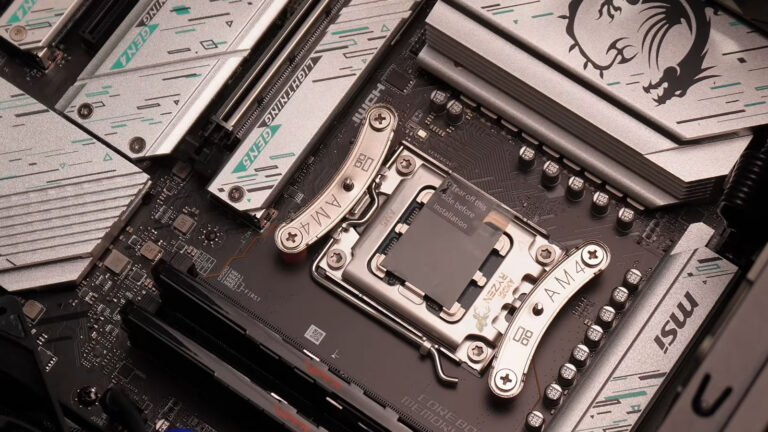
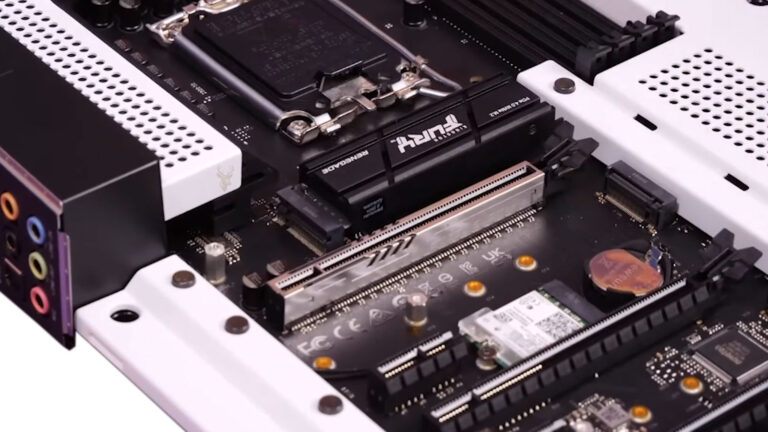
The interior of a desktop case provides room for components that would be difficult or impossible to fit inside a thin portable computer. Full-size motherboards may offer several expansion slots, multiple storage connections, additional memory sockets, and broader compatibility with replacement hardware.
This additional space does more than accommodate larger parts. It also makes the system easier to inspect, clean, test, repair, and upgrade. A technician can often isolate individual components without removing unrelated hardware from the computer.
- Additional memory slots
- Multiple internal storage bays
- Expansion cards for graphics, networking, audio, or specialized equipment
- Replaceable power supplies
- Larger cooling fans and heat sinks
- Standardized internal connections
The exact possibilities depend on the motherboard and case design, but desktop construction generally provides greater hardware flexibility than compact portable systems.
Hardware Upgrades Can Extend Useful Life
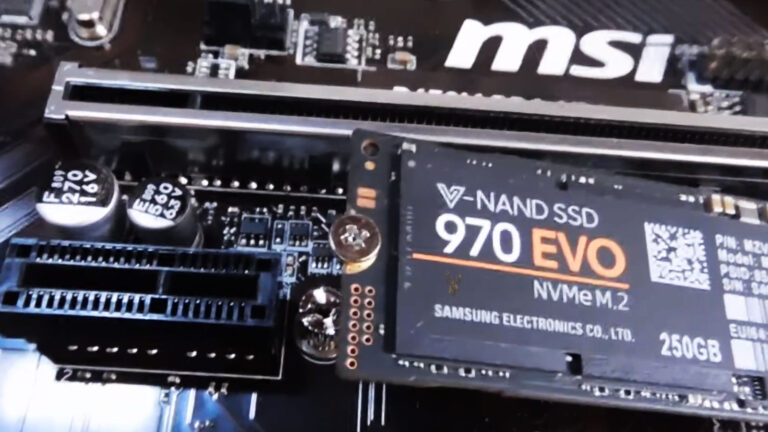
A desktop computer can often be improved gradually instead of replaced as one complete unit. Additional memory, a faster storage device, a newer graphics card, improved cooling, or a replacement power supply may address a specific limitation while preserving the remaining hardware.
This upgrade path can be especially practical when the processor and motherboard still meet the owner’s needs. Replacing one limiting component may restore responsiveness or add capabilities without requiring a complete transition to another computer.
| Desktop Limitation | Possible Upgrade |
|---|---|
| Slow application loading | Solid-state drive |
| Limited multitasking | Additional compatible memory |
| Weak gaming performance | Graphics-card upgrade when supported |
| Insufficient storage capacity | Additional internal drive |
| Noisy or inefficient cooling | Replacement fans or improved cooling hardware |
Compatibility, power requirements, available space, and the age of the platform should always be considered before purchasing upgrade components.
Desktop Cooling Has Fewer Physical Restrictions
Computer performance and reliability depend heavily on temperature. Desktop systems generally have more room for airflow than laptops because their cases can accommodate larger fans, wider ventilation openings, and heat sinks with greater surface area.
Larger fans can often move substantial amounts of air while rotating more slowly than compact laptop fans. This may reduce noise while helping processors, graphics cards, storage devices, and power components remain within their intended temperature ranges.
- More space between heat-producing components
- Larger processor coolers
- Dedicated graphics-card cooling
- Separate intake and exhaust fans
- More direct access for internal cleaning
A poorly designed or heavily dust-filled desktop can still overheat, but the larger enclosure usually provides more opportunities to improve airflow and replace worn cooling components.
Individual Parts Are Often Easier to Replace
Many desktop computers use standardized components that can be removed independently. A defective power supply, storage device, memory module, graphics card, or cooling fan may often be replaced without changing the rest of the system.
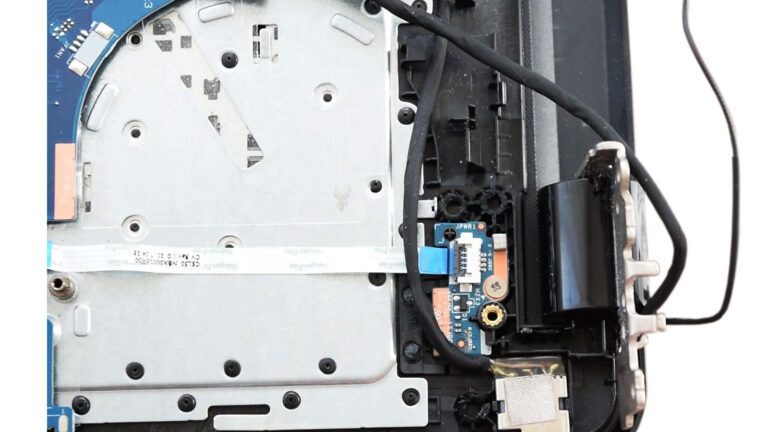
Portable computers integrate more hardware into a compact structure. Certain laptop processors, graphics components, charging circuits, and ports may be soldered directly to the motherboard, making repair or replacement more specialized.
Desktop serviceability does not mean every repair is simple, but accessible and replaceable components can make diagnosis more direct while providing additional repair options when one part fails.
Larger Displays Improve Stationary Work
A desktop workstation can use monitors selected independently from the computer itself. Users may choose a larger screen, higher resolution, multiple displays, or specialized panel characteristics without replacing the main system.
This flexibility benefits office work, accounting, graphic design, technical applications, research, communication, and any task that involves viewing several windows at the same time. A damaged monitor can also be replaced separately without affecting the computer or its stored information.
| Display Arrangement | Practical Benefit |
|---|---|
| Single large monitor | More workspace for documents and applications |
| Two monitors | Reference material can remain visible beside active work |
| Specialized graphics display | Improved suitability for visual content work |
| Replaceable external monitor | Display failure does not require replacing the computer |
Full-Size Input Devices Can Improve Comfort
A desktop computer allows the keyboard, mouse, monitor, speakers, and other accessories to be positioned independently. This makes it easier to build a workspace around comfort and accessibility instead of adapting to the fixed keyboard and screen positions of a portable computer.
Users can select an ergonomic keyboard, specialized mouse, larger text display, drawing tablet, or accessibility device according to their needs. Individual accessories can later be replaced without changing the main computer.
For people who spend many hours at the same workstation, this flexibility may be more valuable than portability.
Desktop Computers Remain Practical for Business Use
Many businesses continue relying on desktop computers because stationary systems fit naturally into offices, reception areas, accounting departments, service counters, and other fixed workspaces. Employees may not need to carry the computer away from the desk, making portability less important than reliability, comfortable displays, and straightforward maintenance.
Desktop systems can also be easier to standardize across an organization. Similar cases, power supplies, storage devices, memory modules, and peripherals simplify replacement planning and make it easier to maintain several workstations over time.
- Fixed office workstations
- Accounting and record-management systems
- Reception and customer-service computers
- Point-of-sale and administrative stations
- Technical work requiring several monitors
- Shared computers used by multiple employees
When a business does not require mobility, the repairability and hardware flexibility of a desktop can provide long-term practical value.
Gaming Systems Benefit From Desktop Hardware
Gaming places sustained demand on processors, graphics cards, memory, storage, power supplies, and cooling systems. Desktop computers are well suited to these workloads because they can accommodate full-size graphics cards, larger power supplies, multiple cooling fans, and hardware that can be upgraded as performance requirements change.
A gaming computer may begin with modest components and later receive a faster graphics card, additional memory, improved storage, or a stronger power supply. This gradual upgrade path allows the system to evolve instead of becoming obsolete as one complete unit.
| Gaming Requirement | Desktop Advantage |
|---|---|
| Higher graphics performance | Support for full-size dedicated graphics cards |
| Stable power delivery | Replaceable power supplies with different capacities |
| Heat management | Larger cooling systems and greater airflow |
| Future upgrades | Replaceable memory, storage, graphics, and cooling hardware |
| Peripheral flexibility | Broad support for displays, controllers, audio, and accessories |
Portable gaming systems can provide impressive performance, but their compact design often limits cooling, repair options, and future hardware replacement compared with a desktop built for sustained workloads.
Specialized Workloads Often Need Expansion
Engineering, scientific, design, media, audio, and industrial applications may require hardware that does not fit comfortably inside a compact portable computer. Specialized graphics cards, additional storage controllers, professional audio interfaces, capture devices, and other expansion hardware are easier to integrate into a desktop platform.
The ability to add dedicated components allows the computer to be configured around a specific workload instead of relying only on the hardware included at the time of purchase.
- Computer-aided design and engineering
- Video production and rendering
- Professional audio work
- Scientific and technical computing
- Security-camera monitoring
- Specialized business or industrial equipment
For users whose requirements change over time, this flexibility can extend the useful life of the workstation while avoiding complete replacement whenever one capability needs improvement.
Storage Can Be Expanded in Several Ways
Desktop computers commonly provide room for more than one internal storage device. This allows the operating system, active projects, archived files, and backups to be separated according to performance and capacity requirements.
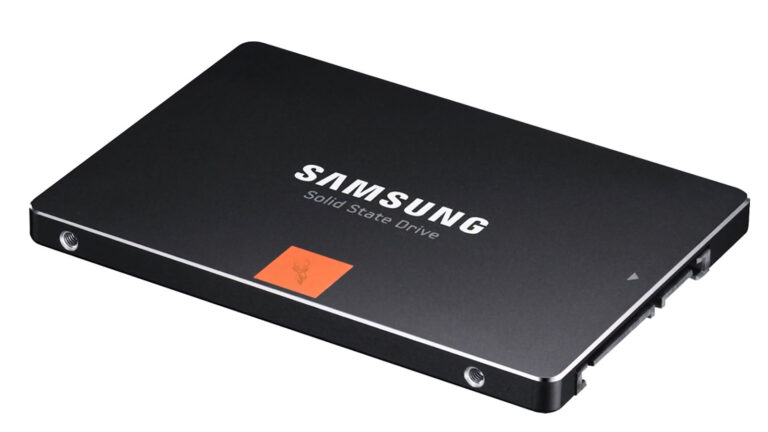
A solid-state drive may be used for Windows and frequently accessed applications while one or more larger hard drives store photographs, videos, business records, or older projects. Additional drives can often be installed later without removing the original storage device.
| Storage Arrangement | Possible Purpose |
|---|---|
| Single SSD | Fast startup and application loading |
| SSD plus hard drive | Performance combined with larger capacity |
| Multiple internal drives | Separate work, archives, and backup copies |
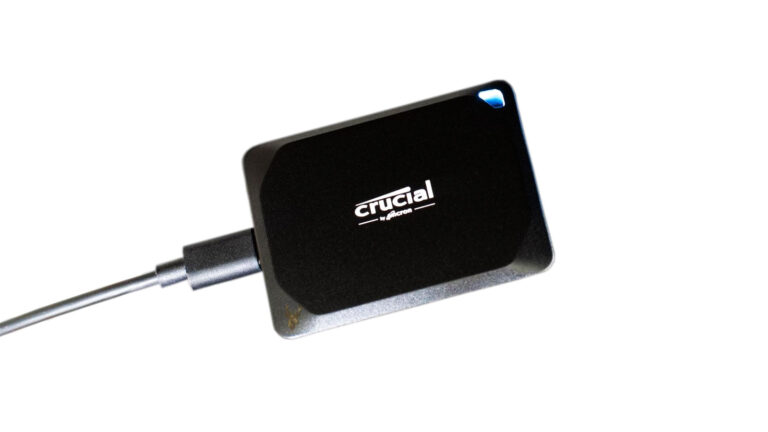
| External storage | Portable backups or shared file transfer |
| Network storage | Centralized access for several computers |
Internal expansion should not replace a proper backup strategy, but it provides more options for organizing data and adapting storage capacity as needs increase.
Repair Costs Can Be More Focused
When an individual desktop component fails, the repair may involve replacing only that part. A defective power supply, memory module, storage device, graphics card, or cooling fan can often be removed without replacing the motherboard, display, keyboard, or enclosure.
This modular construction can make repair decisions more practical, particularly when the remaining hardware continues meeting the owner’s needs. A failure in one area does not necessarily end the useful life of the complete computer.
- Individual components can often be tested separately.
- Replacement parts may follow common desktop standards.
- Access usually requires less disassembly than compact systems.
- Upgrades can be performed during the same service when appropriate.
- The original monitor and peripherals may continue being used.
The repair remains dependent on the age, design, and availability of compatible parts, but desktop construction frequently provides more alternatives than highly integrated hardware.
Desktop Systems Require Dedicated Space
The advantages of a desktop computer come with practical requirements. The system needs a stable location for the case, monitor, keyboard, mouse, speakers, cables, and other accessories. It cannot be moved between rooms or taken outside the home as easily as a laptop.
For small apartments, shared workspaces, students, and people who travel frequently, the space and mobility advantages of a laptop may outweigh the expansion benefits of a desktop.
| Desktop Consideration | Practical Effect |
|---|---|
| Separate case and monitor | Requires more desk or floor space |
| Multiple cables | Needs organized power and peripheral connections |
| No built-in battery | Stops operating during a power interruption unless protected by a backup system |
| Fixed workspace | Not intended for frequent transportation |
| Separate accessories | Provides flexibility but adds equipment to manage |
Energy Use Depends on the Hardware
Desktop computers are not automatically inefficient, but high-performance models can consume more electricity than portable systems designed around battery operation. Dedicated graphics cards, powerful processors, several storage devices, and large displays all contribute to overall energy use.
Basic office desktops may require far less power than gaming or professional workstations. The appropriate comparison therefore depends on the actual hardware and workload rather than assuming every desktop has the same electrical requirements.
- Processor performance class
- Dedicated or integrated graphics
- Number of storage devices
- Display size and brightness
- Time spent under heavy workload
- Power-management settings
Selecting hardware that matches the intended workload can provide the required performance without unnecessary power consumption.
A Laptop Is Better When Mobility Matters
Desktop advantages do not make laptops the wrong choice. A portable computer remains more suitable for students, travelers, mobile professionals, remote workers, and anyone who regularly changes locations.
A laptop combines the display, keyboard, pointing device, speakers, battery, and computer into one compact unit. That integration sacrifices some upgrade and repair flexibility, but it provides convenience that a desktop cannot match.
- Work must move between home, school, office, or customer locations.
- Available desk space is limited.
- Battery operation is important.
- The user needs one computer for several environments.
- Performance requirements remain within the laptop’s cooling and hardware capabilities.
The better choice depends on priorities. A desktop favors flexibility, serviceability, and sustained performance, while a laptop favors portability, compact design, and convenient all-in-one operation.
Keeping a Desktop Computer in Good Condition
Like any electronic system, a desktop computer benefits from regular maintenance. Dust accumulation, obstructed airflow, aging cooling fans, loose internal cables, and neglected software updates can gradually reduce reliability even when the hardware itself remains fully functional.
Routine inspection helps maintain proper airflow, stable temperatures, and dependable operation over many years. Preventive maintenance is often less disruptive than addressing problems only after performance has already declined or hardware has failed unexpectedly.
- Clean dust from cooling fans and vents.
- Confirm that all cooling fans operate normally.
- Monitor storage health periodically.
- Keep Windows and device drivers current.
- Maintain current backups of important files.
- Verify that cables remain securely connected.
Small maintenance tasks performed consistently can help extend the useful life of desktop hardware while reducing the likelihood of unexpected interruptions.
Standard Components Simplify Future Repairs
One reason desktop computers remain popular is the widespread use of standardized hardware. Memory modules, storage devices, cooling fans, expansion cards, and power supplies often follow industry standards that allow compatible replacements from multiple manufacturers instead of depending on one proprietary source.
This flexibility does not guarantee universal compatibility, since motherboards, chipsets, and power requirements still determine which parts will operate correctly. However, standardized designs generally provide more replacement possibilities than highly integrated portable systems.
| Component | Typical Replacement Flexibility |
|---|---|
| Memory modules | Often replaceable with compatible standard modules |
| Storage devices | Additional or replacement drives commonly supported |
| Power supply | Replaceable in many desktop designs |
| Cooling fans | Usually available in standardized sizes |
| Graphics card | Upgradeable when power and space allow |
Desktop Computers Continue Evolving
Desktop computers have changed considerably over the years through improvements in processors, graphics hardware, solid-state storage, memory technology, power efficiency, and cooling design. Modern systems deliver far more performance than earlier generations while supporting workloads that were once reserved for specialized workstations.
Even with these advances, the basic strengths of the desktop platform remain consistent: accessible hardware, expansion capability, serviceability, and the ability to adapt as computing requirements evolve.
Selecting the Right Computer for the Job
No single computer is ideal for every user. Someone who travels daily may place portability above every other consideration, while another person working from a dedicated office may value expandability, larger displays, and easier hardware maintenance. The intended workload should guide the decision rather than assuming one form factor is universally superior.
Evaluating processing requirements, storage capacity, graphics performance, future upgrades, available workspace, and mobility needs helps narrow the choice to the platform that best fits everyday use.
Readers comparing stationary and portable systems may also find our article Understanding the Difference Between a CPU and a GPU useful, since processor capabilities influence performance regardless of whether the computer is a desktop or a laptop.
A Platform Built for Flexibility
Desktop computers continue to serve an important role because they prioritize flexibility, long-term serviceability, and hardware expansion. Their larger enclosures provide room for improved cooling, replaceable components, additional storage, and upgrades that can extend useful life without replacing the entire system.
Although portable computers remain the preferred choice when mobility is essential, desktops continue to provide practical advantages for businesses, home offices, gaming systems, creative work, technical applications, and anyone who expects a computer to evolve over time rather than remain permanently fixed to its original configuration.
Choosing between a desktop and a laptop is ultimately a matter of matching the computer to the work it will perform. Understanding the strengths of each platform makes that decision easier while helping users invest in hardware that supports both current needs and future growth.