Understanding What Causes Computers to Become Slower as They Age
Almost every computer becomes slower over time. A system that once started quickly, opened programs without hesitation, and responded immediately to every click may gradually become less responsive after months or years of regular use. This change is so common that many people assume a computer simply “gets old.” In reality, the situation is usually more complicated.
Computer performance depends on many components working together. The operating system, storage device, available memory, processor, cooling system, software, and even everyday maintenance habits all influence how quickly the computer performs its tasks. A slowdown may result from one problem or from several smaller issues developing at the same time.
The encouraging news is that a slower computer does not always require replacement. Many performance problems can be improved through proper diagnosis, maintenance, upgrades, or repairs. Understanding what causes these slowdowns is the first step toward deciding the most appropriate solution.
Computers Rarely Become Slow for Only One Reason
One of the most common misconceptions is that every slow computer has a single defective part. In practice, performance usually changes gradually because several factors begin affecting the system at the same time. A computer may have accumulated unnecessary startup programs, reduced available storage space, collected dust inside the cooling system, and installed years of software updates without ever receiving routine maintenance.
Each individual problem may appear relatively small, but together they can noticeably affect everyday performance. Proper diagnosis involves looking at the entire system rather than immediately replacing hardware.
- Operating system changes over time.
- Programs installed throughout the years.
- Limited available storage space.
- Insufficient memory for newer software.
- Dust and rising operating temperatures.
- Aging storage devices.
- Background applications running continuously.
Too Many Programs Start with Windows
Many applications automatically configure themselves to start every time Windows loads. Initially this may not create a noticeable problem, but after months or years the startup list can become much longer than intended. Every additional application consumes processor time, memory, and storage activity before the computer is even ready to use.
Some startup programs are essential, including antivirus software, hardware drivers, and security utilities. Others may simply check for updates, display notifications, synchronize files, or remain running even though they are rarely used. Reducing unnecessary startup items often improves both startup time and overall responsiveness.
- Messaging applications.
- Printer utility software.
- Cloud synchronization services.
- Media players.
- Automatic update utilities.
- Hardware monitoring tools.
Disabling unnecessary startup applications should be done carefully. Some background services are required for proper hardware operation or system security, so changes should be made with an understanding of each program’s purpose.
Limited Free Storage Space
Storage capacity affects more than simply the number of files that can be saved. Windows relies on available free space for temporary files, updates, virtual memory, browser caches, and many background operations. As free space decreases, everyday tasks may become noticeably slower.
Mechanical hard drives often experience greater performance loss as they become heavily filled because information becomes increasingly fragmented across the disk. Although solid-state drives behave differently, they also perform best when reasonable free capacity remains available.
- Large video collections.
- Duplicate photographs.
- Downloaded installation files.
- Temporary internet files.
- Old backups stored locally.
- Applications that are no longer used.
Keeping sufficient free storage space allows Windows and installed applications to work more efficiently while reducing unnecessary delays during normal operation.
Mechanical Hard Drives Naturally Become Slower
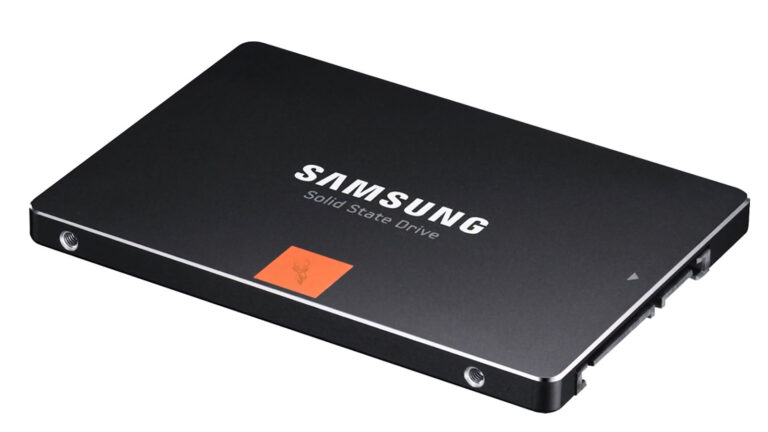
Traditional hard drives store information on spinning magnetic platters that must physically rotate while read-and-write heads move across their surfaces. This mechanical design makes them reliable for storing large amounts of data but also limits their performance compared to newer storage technologies.
As files are created, modified, deleted, and reorganized over several years, the drive performs increasingly complex operations to locate information. Combined with normal mechanical wear, this contributes to slower application launches and longer startup times.
A slower hard drive does not automatically mean it is failing. However, when reduced performance is accompanied by clicking noises, file corruption, startup problems, or repeated read errors, additional evaluation may be appropriate. Those symptoms are discussed in our article Common Signs of a Failing Hard Drive.
Not Enough Memory (RAM) for Today’s Software
Random Access Memory (RAM) allows the operating system and applications to store information that needs to be accessed quickly. Every program that is open, every browser tab, every background process, and many Windows services all compete for available memory. As software becomes more advanced, memory requirements gradually increase.
A computer that once performed well with its original amount of RAM may begin struggling several years later simply because modern applications require more resources. When available memory becomes limited, Windows temporarily stores some information on the storage drive. Although this process allows the computer to continue operating, it is considerably slower than using physical memory.
- Programs hesitate when switching between windows.
- Web browsers become slow after opening many tabs.
- The computer freezes briefly while multitasking.
- Applications unexpectedly stop responding.
- Large files require much longer to open.
Increasing the amount of installed memory is often one of the most noticeable performance improvements for computers that support additional RAM. Before upgrading, compatibility with the motherboard and operating system should always be verified.
Unwanted Software and Malware
Not every slow computer has defective hardware. Background software can consume considerable processor time and memory without the user realizing it. Some applications install additional services that continuously check for updates, display advertisements, collect usage information, or perform unnecessary background tasks.
Malware presents an even greater concern. Certain malicious programs operate silently while using processor resources, network bandwidth, or storage activity. Others attempt to collect personal information, display unwanted advertisements, redirect web searches, or interfere with normal Windows operation.
- Unexpected advertisements.
- Browser home page changes.
- New toolbars appearing without permission.
- Constant hard drive activity while the computer is idle.
- High processor usage without any obvious program running.
- Security software repeatedly reporting threats.
Regular security updates, careful downloading habits, and reputable antivirus software help reduce these risks. When malware is suspected, the computer should be evaluated before additional problems develop.
Browser Extensions Can Affect Performance
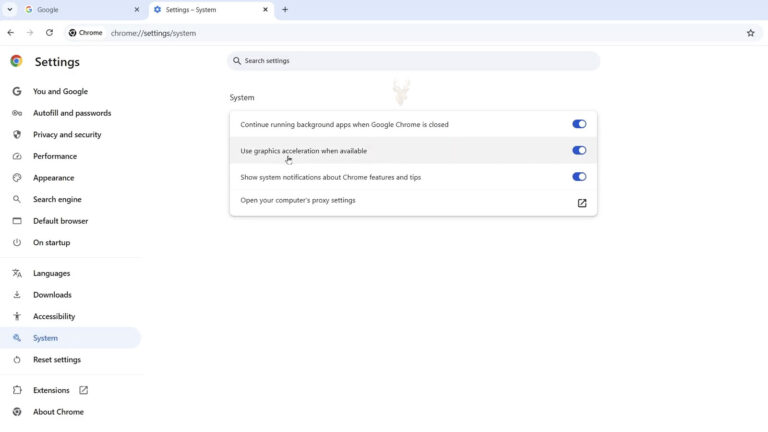
Modern web browsers often become the most heavily used application on a computer. Over time, browser extensions, saved history, cached files, and numerous open tabs can noticeably reduce performance.
Some browser extensions provide valuable functionality, while others continue operating in the background long after they are installed. Excessive extensions may increase memory usage, slow webpage loading, or interfere with browsing.
- Review installed browser extensions periodically.
- Remove extensions that are no longer used.
- Avoid installing multiple extensions that perform similar functions.
- Keep the browser updated.
- Limit the number of permanently open tabs.
Heat Reduces Performance
Computers generate heat whenever the processor, graphics hardware, storage devices, and power components operate. Under normal conditions, fans and heat sinks remove this heat efficiently. As dust accumulates inside the system, airflow becomes restricted and temperatures begin rising.
Modern processors protect themselves from excessive temperatures by automatically reducing their operating speed. This protective behavior, commonly called thermal throttling, prevents permanent damage but also causes noticeable performance loss.
- Fans operate at maximum speed.
- The computer becomes unusually warm.
- Performance decreases after several minutes of use.
- Games begin running slower than before.
- Unexpected shutdowns occur during demanding tasks.
Cleaning accumulated dust, verifying proper airflow, and replacing deteriorated thermal compound when appropriate can help restore normal operating temperatures.
Software Continues to Evolve
Applications rarely remain the same over several years. New features, security improvements, graphical enhancements, and compatibility updates often increase the amount of processor power, memory, and storage required. A computer that comfortably met software requirements when it was purchased may eventually fall below the recommended specifications for newer versions.
This gradual change explains why a computer may appear slower even though no hardware has actually failed. The operating system and installed applications have simply become more demanding than they were originally.
Windows Updates and Driver Changes
Windows updates play an important role in improving security, correcting software defects, and maintaining compatibility with newer hardware. Occasionally, however, a major update may temporarily affect performance while Windows reorganizes files, rebuilds search indexes, installs additional components, or completes background optimization.
Driver updates can also influence performance. Graphics drivers, storage controllers, chipset software, and network drivers all contribute to overall system responsiveness. Using outdated or incompatible drivers may create slowdowns, instability, or unexpected behavior.
| Possible Cause | Typical Symptom | May Improve With |
|---|---|---|
| Too many startup programs | Slow Windows startup | Startup optimization |
| Limited RAM | Freezing during multitasking | Memory upgrade |
| Low storage space | General sluggishness | Storage cleanup |
| Dust and overheating | Reduced performance under load | Internal cleaning |
| Malware | High CPU usage and instability | Security cleanup |
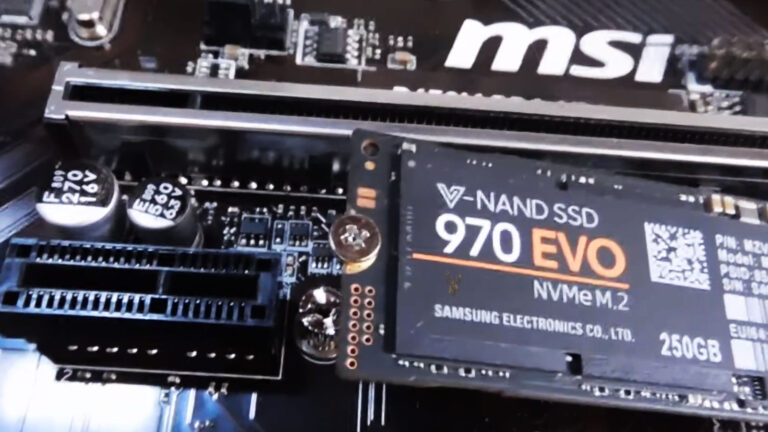
| Aging hard drive | Long loading times | Diagnosis or SSD upgrade |
When a Hardware Upgrade Makes Sense
Not every slow computer should be replaced. In many situations, carefully selected hardware upgrades can significantly improve everyday performance while extending the useful life of the system.
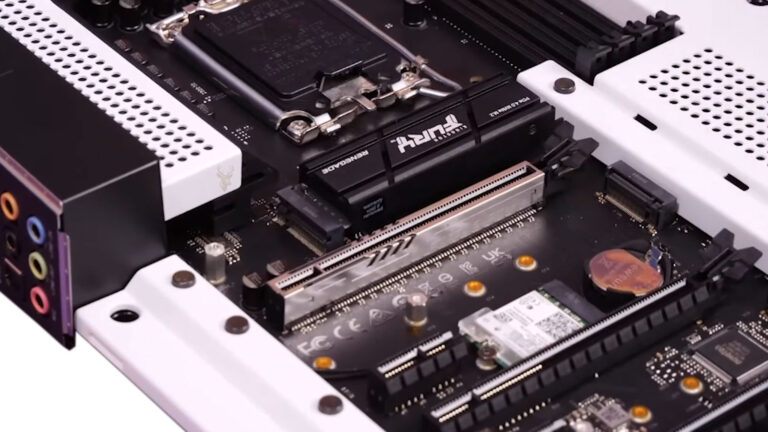
Increasing available memory, replacing an aging mechanical hard drive with a solid-state drive, or correcting cooling problems often produces a much greater improvement than many users expect. The appropriate upgrade depends on the computer’s specifications, intended use, and overall condition.
A proper evaluation considers the complete system before recommending new hardware. Installing additional memory will not solve every performance problem, just as replacing a storage drive will not correct software issues or overheating. Identifying the actual cause remains the most important step before investing in upgrades.
A Simple Performance Checklist
Computer performance usually improves the most when several small issues are corrected together instead of searching for a single “magic” solution. Regular maintenance helps prevent many slowdowns before they become frustrating enough to interfere with everyday work.
- Keep Windows and installed software updated.
- Remove applications that are no longer used.
- Review startup programs periodically.
- Maintain sufficient free storage space.
- Scan the computer for malware and unwanted software.
- Clean dust from vents and cooling fans when appropriate.
- Back up important files regularly.
- Monitor unusual noises, overheating, or repeated errors.
- Replace aging storage devices before complete failure occurs.
- Consider hardware upgrades when the computer still meets your needs.
Common Mistakes When Trying to Speed Up a Computer
Many performance problems become more difficult to diagnose because well-intentioned troubleshooting introduces additional changes before the original cause has been identified. Making several modifications at once can hide the actual problem or create new ones.
- Installing multiple “PC optimization” utilities that promise dramatic speed improvements.
- Downloading unknown registry cleaners or automatic repair programs.
- Replacing hardware before confirming that it is actually responsible for the slowdown.
- Ignoring warning signs such as overheating or unusual hard drive noises.
- Continuing to use a computer after repeated storage errors begin appearing.
- Running numerous antivirus products simultaneously.
- Assuming every slow computer needs to be replaced.
Proper diagnosis generally saves both time and money because the actual source of the slowdown is identified before unnecessary parts are purchased or software changes are made.
When Professional Diagnosis May Be Helpful
Some performance problems are straightforward, while others involve several components working together. If routine maintenance has not improved the situation, a systematic evaluation can help determine whether the problem is caused by hardware, software, overheating, storage devices, memory limitations, or operating system issues.
Professional diagnosis is often worthwhile when the computer becomes unusable for work or school, freezes repeatedly, shuts down unexpectedly, displays storage errors, or continues running slowly after ordinary maintenance has already been performed.
| Observed Behavior | Possible Cause | Recommended Next Step |
|---|---|---|
| Slow startup every day | Startup programs or aging storage | Review startup items and evaluate storage performance. |
| Computer slows after several minutes | Overheating | Inspect cooling system and operating temperatures. |
| Freezes while multitasking | Insufficient memory | Evaluate RAM usage and upgrade options. |
| Very slow file access | Storage device problem | Check drive health and back up important data. |
| Random slowdowns with pop-ups | Malware or unwanted software | Perform a complete security evaluation. |
Performance Can Often Be Improved
A slower computer does not necessarily mean the system has reached the end of its useful life. Many computers continue providing reliable service for years after receiving proper maintenance, storage upgrades, additional memory, cooling improvements, or operating system optimization.
Understanding the reason behind the slowdown allows informed decisions instead of guessing which component should be replaced. In many situations, addressing the actual cause restores a level of performance that is surprisingly close to what the computer originally delivered.
Related Topics
If your computer has become slower because of storage problems, unusual noises, or repeated read errors, you may also find our article Common Signs of a Failing Hard Drive helpful. It explains how storage devices behave as they begin developing mechanical or electronic problems and how those symptoms differ from ordinary performance slowdowns.
Key Takeaways
Computer performance naturally changes over time, but slower operation should never be accepted without understanding the reason behind it. Hardware aging, software growth, limited memory, storage conditions, overheating, and maintenance habits all influence how efficiently a system performs. In many cases, several of these factors develop gradually, making the slowdown appear almost unnoticeable until everyday tasks begin taking much longer than expected.
The most effective solution is not always replacing the computer. Careful diagnosis, routine maintenance, targeted upgrades, and early attention to warning signs often restore performance while extending the useful life of the system. Identifying the real cause before making changes remains the best approach for achieving reliable long-term results.