
Computer Repair The Pines
Local Computer Help for The Pines, Florida
Also known as Golden Pines, this residential pocket sits between Coral Way and South Dixie Highway, with SW 27th Avenue and SW 37th Avenue forming important connections on either side. Its location places local households near Coral Gables, Coconut Grove, and several of southwest Miami’s busiest everyday routes.
Computers used throughout the neighborhood often support work conducted from home, school responsibilities, personal records, and communication with businesses beyond the area. When one of those systems develops a problem, service can be arranged around the device’s actual condition and the role it plays in the household.
Computer Support Suited to an Established Residential Community
The tree-lined Coral Way corridor and the surrounding streets contain a mixture of older homes, later residences, apartments, and small professional spaces. That variety also means computers are used under different conditions, from permanent desktop setups to laptops carried between home, work, and nearby destinations.
Assistance is available when a computer no longer starts correctly, becomes difficult to use, or develops a hardware or system problem that requires a closer inspection. Residents of The Pines can describe what changed, when the issue began, and how the device is normally used before the appropriate service approach is determined.
A Clear Path From the First Report to the Completed Repair
A successful repair begins with understanding what the computer is doing, when the problem started, and whether anything changed before the failure appeared. Details about updates, power interruptions, accidental damage, unusual noises, warning messages, or earlier repair attempts can help narrow the investigation before unnecessary work is performed.
The process then moves through inspection, explanation, and repair in a controlled order. This approach keeps the customer informed, protects important information whenever possible, and prevents parts or services from being recommended before the condition of the computer has been properly evaluated.
Describe the Problem and the Computer
The first step is to identify the device, its symptoms, and how the problem affects normal use. The model number, operating system, power behavior, screen activity, error messages, and recent changes can provide valuable direction before the computer is examined.
Inspect the Cause Before Recommending Work
The computer is checked for the condition related to the reported failure rather than treated from assumptions alone. Hardware, storage, cooling, startup behavior, software, connections, and visible damage may be reviewed according to the symptoms and the type of system involved.
Complete the Repair and Confirm Operation
Once the required work is understood, the repair can be completed using the appropriate parts, settings, or system corrections. The computer is then tested for the original complaint and for the basic functions needed to return it in dependable working condition.
Hardware, System, and Data Services Under One Repair Process
Computer failures can involve far more than a slow operating system or a troublesome program. A complete repair shop must be prepared to diagnose damaged components, power problems, broken displays, failed storage devices, overheating, corrupted installations, and other conditions that prevent a computer from working correctly.
Service is available for laptops, desktops, Macs, all-in-one computers, gaming systems, and business equipment. The work recommended depends on the actual failure, the condition of the machine, the availability of compatible parts, and whether repair, replacement, recovery, or upgrading offers the most practical result.
Laptop Screen and Display Repair
Cracked panels, black screens, distorted images, flickering displays, damaged hinges, and failed display cables can be inspected to determine which part of the screen assembly requires attention. Replacement work can include the panel, cable, hinge hardware, bezel, lid, or related mounting components.
Motherboard and Power Failure Diagnosis
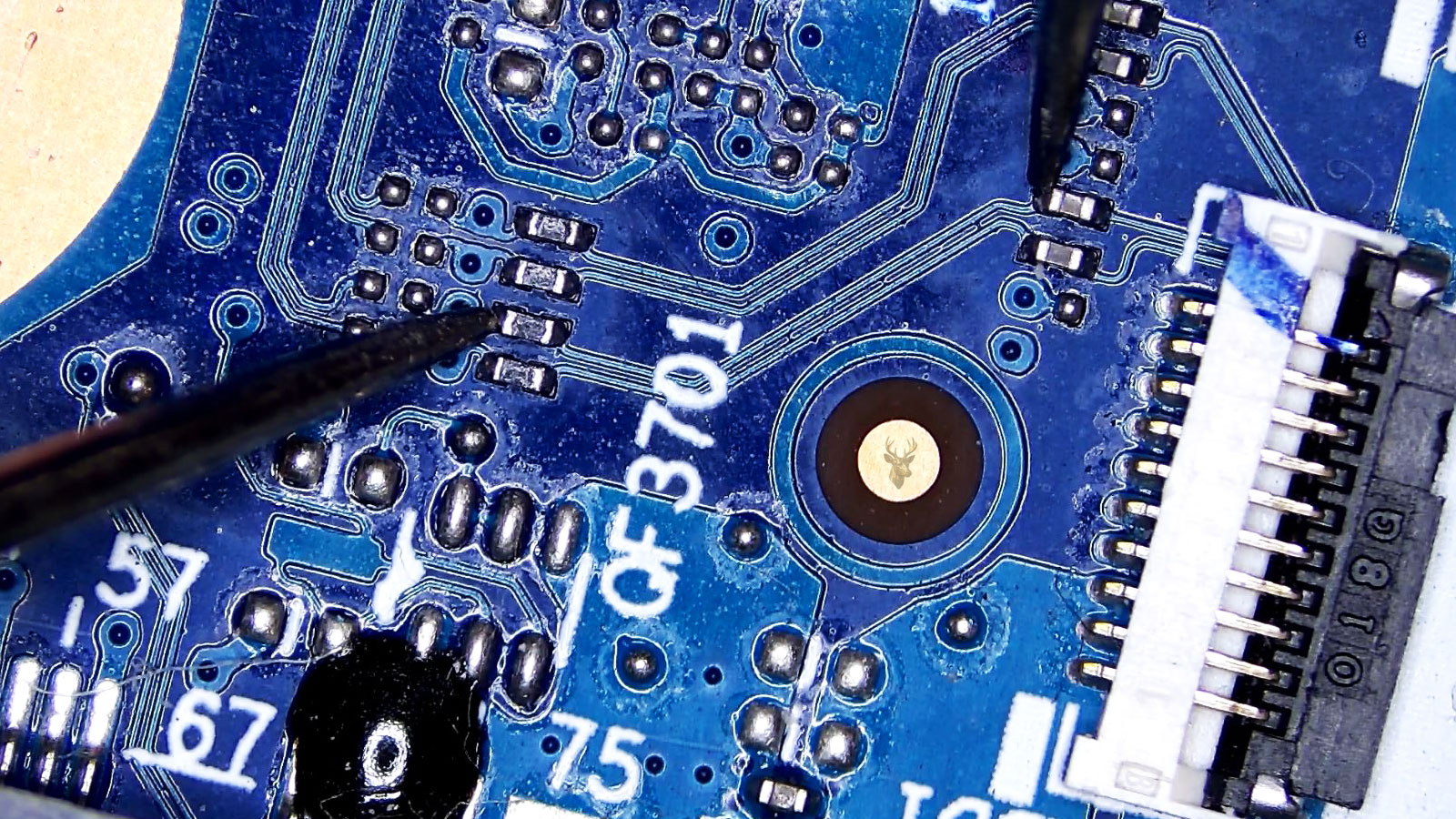
Computers that will not power on, charge a battery, recognize an adapter, or remain running may have faults involving the charging circuit, power connector, motherboard, internal cabling, or another electrical component. Proper testing helps separate a board-level failure from a replaceable external or internal part.
Storage Replacement and Data Recovery
Failed hard drives and solid-state drives can cause missing files, startup errors, freezing, unusual noises, or complete loss of access. Depending on the condition of the device, service may involve data recovery, drive replacement, system cloning, file transfer, or installation of a new operating system.
Cooling System and Overheating Repair
Excessive heat can lead to shutdowns, reduced performance, fan noise, graphics instability, and long-term component damage. Cooling service may include fan replacement, heatsink inspection, vent cleaning, thermal material renewal, and correction of airflow problems inside the computer.
Windows and macOS System Repair
Operating-system failures can prevent login, interrupt updates, produce repeated crashes, or leave the computer unable to boot. Repair may include startup correction, driver repair, account recovery, malware removal, system restoration, or a clean installation when the existing software environment cannot be repaired reliably.
Performance Upgrades and Component Replacement
A computer that remains structurally sound may benefit from upgraded memory, faster storage, improved graphics hardware, a replacement battery, or another compatible component. Upgrade decisions are based on the system’s limitations, intended use, physical compatibility, and the value of extending its service life.
Symptoms That Should Not Be Ignored
Computer failures often begin with small changes in behavior before the system stops working completely. Repeated freezing, unusual sounds, charging problems, display distortion, excessive heat, and startup delays can indicate that a component or operating system is becoming unstable.
Recognizing these warning signs early can help reduce the risk of additional damage, lost files, or a more complicated repair. The pattern, frequency, and timing of each symptom can also provide useful information when the computer is inspected.
Repeated Freezing or Unexpected Restarts
A computer that regularly locks up, restarts without warning, or displays error screens may be experiencing memory faults, storage failure, overheating, driver conflicts, or instability within the operating system.
Slow Startup and Delayed Response
Long boot times, delayed program launches, and constant loading activity can point to a deteriorating drive, insufficient memory, background software problems, or an operating system that is no longer functioning efficiently.
Clicking, Grinding, or Unusual Fan Noise
Mechanical clicking may indicate a failing hard drive, while grinding or rattling sounds can come from a damaged fan or another moving component. These noises should be investigated before the affected part stops working entirely.
Flickering, Lines, or a Black Display
Intermittent images, colored lines, dim lighting, flickering, or a screen that remains black can result from a damaged panel, loose display cable, graphics failure, backlight problem, or power-related fault.
Excessive Heat and Sudden Shutdowns
A computer that becomes unusually hot, runs its fan constantly, or shuts down during demanding tasks may have blocked airflow, dried thermal material, a failing cooling fan, or another condition affecting temperature control.
Charging Failure or Intermittent Power
A loose charging connection, battery that will not charge, power that cuts in and out, or a system that only works at certain cable angles may indicate damage to the adapter, charging port, battery, internal wiring, or motherboard circuit.
Every Computer Is Handled According to Its Condition
No two repairs begin under exactly the same circumstances. One computer may have experienced accidental damage, another may have developed an electrical fault over time, while another may simply refuse to start after an update or unexpected shutdown. For that reason, each system should be evaluated according to its own symptoms rather than treated with assumptions.
During the repair process, attention is given to the condition of the hardware, the reported failure, the operating environment, and any important information provided by the customer. This method helps determine which components require testing and whether repair, replacement, recovery, or configuration changes represent the most appropriate solution.
What Customers Can Expect During Service
Clear communication is an important part of every repair. Whenever additional findings appear during the inspection, those findings should be explained before further work is performed so that decisions are based on the actual condition of the computer rather than uncertainty.
The objective is to return a dependable computer that has been evaluated carefully, repaired appropriately, and checked for the reported problem before it is placed back into everyday use. A structured repair process also helps reduce misunderstandings and provides a better overall service experience.
Flexible Service for Computers That Are Difficult to Transport
Some computers are simple to carry, while others are connected to multiple monitors, printers, backup drives, specialized equipment, or business networks. A large desktop workstation or an all-in-one computer may also be inconvenient to move without disconnecting several accessories first.
Pickup arrangements can provide a practical alternative when transportation is difficult or when the computer should remain assembled until it can be disconnected carefully. Planning ahead also helps ensure that important accessories, chargers, passwords, or storage devices accompany the system when they are needed for diagnosis.
Preparing a Computer Before Pickup or Drop-Off
Before the computer leaves its location, it can be helpful to identify the primary problem, gather any required charging adapters or power supplies, and note passwords if they are necessary for testing. External drives or accessories related to the reported issue should also be included whenever appropriate.
If the problem only occurs under certain conditions, describing those circumstances can reduce unnecessary testing time and provide a clearer starting point for diagnosis. Small details often contribute to finding the source of an intermittent failure.
Service for Residential and Business Computer Systems
Computer service may involve equipment used in private homes, home offices, professional workplaces, or small businesses. Each environment presents different priorities, from protecting personal files to restoring systems that support daily operations or customer communication.
Whether the computer requires hardware repair, operating system recovery, component replacement, or troubleshooting, the goal is to evaluate the reported problem carefully and return the system in dependable working condition with the necessary repairs completed.
Helpful Information Before Scheduling Computer Service
Customers often want to know what information to provide, whether their files may be affected, and how repair decisions are made. Clear answers before service begins can make the process easier and help ensure that the correct equipment and accessories are included with the computer.
The answers below cover several practical concerns that apply to laptop, desktop, Mac, all-in-one, and gaming-computer repairs. The exact requirements may vary according to the failure, the condition of the machine, and the type of work needed.
What information should I provide when requesting service?
Provide the computer brand and model when available, describe the symptoms, explain when the problem began, and mention any recent updates, falls, liquid exposure, power interruptions, or previous repairs. These details help establish a more useful starting point for inspection.
Should I include the charger or other accessories?
Include the charger when the problem involves power, charging, battery behavior, or intermittent shutdowns. External drives, adapters, docks, cables, or other accessories should also be included when they are directly connected to the reported failure.
Will my files remain on the computer during repair?
Many hardware repairs can be completed without removing personal files, but data can never be guaranteed when a drive is failing or the operating system is severely damaged. Important files should be backed up whenever possible, and any concern about stored information should be discussed before work begins.
Can a computer be repaired if it no longer turns on?
A no-power condition can result from a failed adapter, damaged charging port, defective battery, internal power supply, motherboard fault, or another electrical problem. Testing is needed to identify where power is being lost before the correct repair can be recommended.
Is it better to repair the computer or replace it?
The decision depends on the age and specifications of the machine, the cost and availability of parts, the extent of the damage, and how the computer is used. A repair may be worthwhile when it restores dependable operation at a reasonable cost, while replacement may be more practical for a severely damaged or outdated system.
Can replacement parts be ordered for older computers?
Parts may still be available for many older systems, although availability, condition, and compatibility must be confirmed before ordering. The exact model number, part number, connector type, physical dimensions, and hardware revision may all be important when selecting a replacement.
A Dependable Place to Begin When a Computer Needs Professional Attention
Whether the problem involves damaged hardware, electrical failure, lost access to files, overheating, a broken display, operating-system trouble, or a computer that no longer starts, the next step should be based on careful inspection rather than guesswork. A clear description of the symptoms, the device model, and any recent changes can help establish the appropriate direction from the beginning.
Repair services are available for local households, home offices, and businesses that need qualified assistance with laptops, desktops, Macs, all-in-one systems, gaming computers, and related equipment. Customers can reach out with the details of the problem so the service requirements, transportation options, and appropriate repair process can be discussed professionally.