
Computer Repair The Hammocks
Local Computer Support for One of West Kendall's Established Communities
The Hammocks is recognized for its residential neighborhoods, interconnected lakes, walking trails, community parks, and the homeowners association that serves much of the area. Families, professionals, retirees, and students all rely on technology in different ways, making dependable computers part of everyday life instead of an occasional convenience.
Computer service is offered throughout the community with the goal of helping residents return their equipment to dependable operation when unexpected problems interrupt work, school, communication, or personal projects. Every situation begins with understanding what the customer is experiencing rather than assuming every computer requires the same solution.
Serving a Community Connected by Parks, Schools, and Neighborhood Centers
Nearby landmarks such as Hammocks Community Park, the West Kendall Regional Library, and the commercial corridors along Hammocks Boulevard make this a community where homes, local businesses, recreational facilities, and public services remain closely connected. Those different environments also create very different technology needs from one customer to the next.
Whether a computer is primarily used to manage a household, support a professional career, complete school assignments, or operate a small business, the objective is to provide practical assistance that matches the way the equipment is actually used. That approach allows recommendations to reflect the customer’s priorities instead of following a one-size-fits-all repair process.
A Repair Process That Builds on Verified Findings
Successful repairs depend on following an organized sequence rather than making early assumptions. Each stage of the process builds on the information gathered during the previous step, allowing technical decisions to be supported by confirmed observations instead of trial-and-error.
This approach also makes it easier to distinguish the primary fault from secondary conditions that may appear during testing. By progressing methodically, unnecessary parts replacement can often be avoided while producing a clearer understanding of the work required before repairs continue.
Initial Equipment Review
The computer is examined for physical condition, missing components, signs of previous repair attempts, and the symptoms described by the customer. This first review establishes a starting point before any disassembly or testing begins.
Technical Evaluation
Diagnostic procedures are selected according to the reported problem and the computer’s behavior during inspection. Individual hardware and software functions are evaluated to determine where the failure originates and whether multiple issues are present.
Repair Verification
After the approved work has been completed, the repaired functions are verified through practical testing related to the original complaint. The objective is to confirm stable operation before the computer is considered ready to return to regular use.
Technical Services for Hardware, Storage, Displays, and System Reliability
Computer problems can affect far more than a single component. An unexpected shutdown may originate from the power system, while display issues, storage failures, damaged connectors, or software instability can produce similar symptoms. Selecting the appropriate repair begins with identifying which part of the system is actually responsible for the failure.
Modern computers combine electronics, firmware, operating systems, storage devices, cooling systems, and peripheral connections into a single platform. Addressing those systems individually helps produce more reliable repairs and reduces the likelihood of replacing parts that are still functioning correctly.
Motherboard Diagnostics
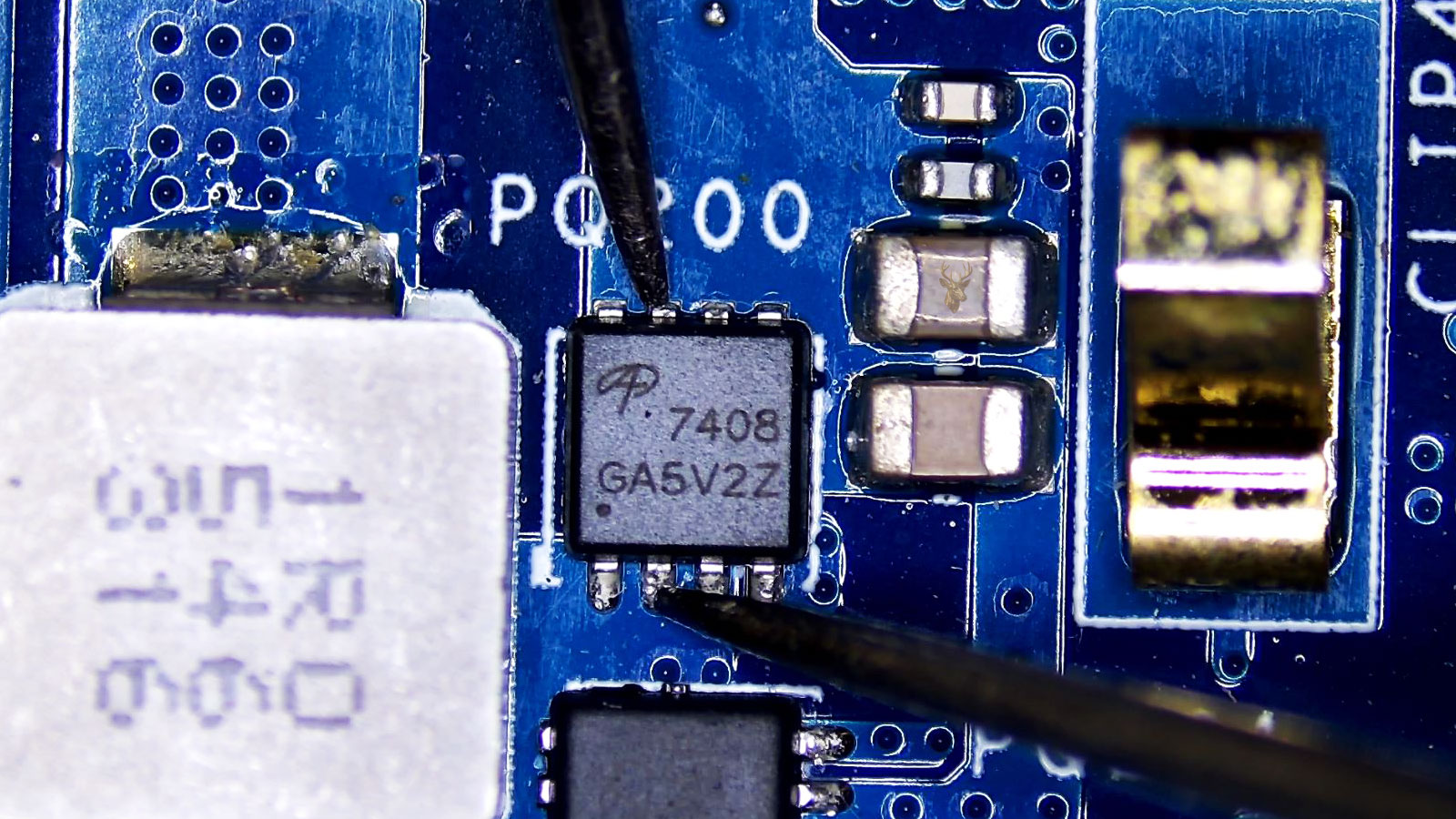
Circuit-level testing can identify faults involving power distribution, charging circuits, onboard controllers, damaged components, or startup failures that prevent normal operation.
Display Assembly Replacement
Cracked panels, image distortion, backlight failures, loose hinges, damaged display cables, and related screen problems can be evaluated to determine the proper replacement or repair approach.
Storage Device Replacement
Worn or failing drives can be replaced with compatible storage solutions, improving reliability while restoring dependable access to the operating system and user files when appropriate.
Cooling System Service
Dust accumulation, worn cooling fans, degraded thermal materials, and restricted airflow can reduce performance and increase operating temperatures. Proper servicing helps restore efficient heat management.
Operating System Recovery
Startup failures, damaged system files, update problems, and software corruption can be addressed through repair procedures intended to restore stable system operation whenever practical.
Data Transfer Assistance
When replacing hardware or moving to another storage device, personal files can often be transferred so important documents, photographs, and other accessible information remain organized and available.
Changes in Computer Behavior That Should Not Be Ignored
Computers rarely fail without providing some indication that a component or system is beginning to struggle. These changes may appear gradually over several weeks or happen unexpectedly after a specific event, but they often provide valuable clues about where the underlying problem is developing.
Paying attention to new or unusual behavior can reduce the chance of additional damage and make the diagnostic process more efficient. The symptoms below are examples of conditions that deserve closer inspection before they become more serious.
The Computer Starts Restarting by Itself
Unexpected restarts during normal use may indicate unstable power delivery, overheating, failing memory, driver conflicts, or hardware that can no longer maintain reliable operation.
The Charging Connection Feels Loose
A charger that only works when held at a certain angle or disconnects with slight movement may point to a worn charging port, damaged connector, or internal power connection.
Files Suddenly Become Inaccessible
Documents that refuse to open, folders that disappear unexpectedly, or repeated read errors can indicate developing storage problems that should be evaluated before additional information is affected.
The Clock or Date Keeps Resetting
A computer that repeatedly loses the correct date and time after being powered off may have a depleted CMOS battery or another issue affecting the system’s stored configuration.
The Computer Stops Detecting Accessories
Devices such as printers, webcams, memory cards, or external drives that suddenly fail to appear may indicate problems with ports, internal controllers, drivers, or system communication.
Startup Takes Longer Every Week
A gradual increase in boot time often suggests that the operating system, storage hardware, or startup environment is deteriorating, even if the computer still appears usable after it finishes loading.
Every Computer Deserves an Individual Repair Strategy
No two computers arrive with the same history. One system may have developed an electrical fault after years of continuous use, while another may have been damaged by an accidental fall, liquid exposure, or an unsuccessful hardware upgrade. Understanding that history is often just as valuable as the technical testing itself.
An organized handling process makes it possible to evaluate the equipment without overlooking details that could influence the final outcome. Recording the reported condition, inspecting the hardware carefully, and following a logical sequence of testing helps produce findings that are based on evidence instead of assumptions.
Building Confidence Through Clear Repair Recommendations
Once the evaluation has been completed, the findings can be explained in straightforward language together with the available repair options. Understanding which component has failed, why it affected the computer, and what is required to restore proper operation allows customers to make informed decisions before work proceeds.
A thoughtful repair process also considers long-term reliability. When additional maintenance, preventive care, or compatible upgrades could improve future performance, those recommendations can be discussed separately so the customer understands both the immediate repair and the opportunities to extend the useful life of the equipment.
Practical Options for Equipment That Is Difficult to Transport
Moving a computer is not always as simple as unplugging a single cable. Some systems are connected to printers, backup drives, multiple displays, specialized equipment, or business networks that require extra attention before they can be disconnected safely.
Planning the service arrangement in advance helps reduce unnecessary interruptions and ensures that important accessories remain with the equipment whenever they are needed for accurate diagnosis or final testing after the repair has been completed.
Preparing Equipment Before Service Begins
Taking a few moments to identify passwords, describe recurring symptoms, and gather accessories related to the reported problem can improve the efficiency of the repair process. Chargers, external drives, docking stations, or proprietary adapters may all be relevant depending on the type of equipment being serviced.
If the computer still powers on, creating a recent backup whenever possible is also a sensible precaution. While many repairs do not involve stored files, protecting important information before any technical work begins is always a good practice.
Returning the Computer With Confidence
Once the repair has been completed, the corrected functions can be reviewed to confirm that the original concern has been addressed. This may include verifying startup, charging behavior, display operation, peripheral connectivity, storage access, or other functions directly related to the completed work.
Customers also have the opportunity to receive guidance on routine maintenance, future hardware considerations, and practical operating habits that may help improve long-term stability and reduce unnecessary wear on the computer over time.
Information That Can Help Before Scheduling Service
Every repair begins with questions about the computer, the reported symptoms, and the conditions under which the problem appears. The more complete that information is, the easier it becomes to determine the most appropriate path toward identifying the cause of the failure.
The following answers address situations that customers frequently ask about before bringing in a computer for evaluation. They explain practical considerations that can help make the service process smoother from beginning to end.
Can a computer that was dropped still be repaired?
Yes, although the extent of the damage depends on how the impact affected the internal components. A computer that still powers on may have different repair requirements than one that no longer responds at all, making a complete inspection important before conclusions are reached.
Why does a computer sometimes work normally and then suddenly fail?
Intermittent problems can be caused by heat, loose internal connections, failing electronic components, unstable power delivery, or software conditions that only appear under certain workloads. Reproducing the symptom is often an important part of the diagnostic process.
Should damaged hinges or a cracked case be repaired?
Physical damage can place additional stress on display cables, internal connectors, and other components each time the computer is opened or moved. Addressing structural problems early may help prevent more extensive repairs later.
Can a slow computer have more than one underlying problem?
Yes. Reduced performance may result from several conditions occurring at the same time, including storage wear, insufficient memory, background software, cooling issues, or operating-system corruption. Identifying each contributing factor leads to more effective repair recommendations.
Is it useful to write down the symptoms before requesting service?
Absolutely. Notes describing when the problem began, any error messages that appeared, unusual sounds, recent hardware changes, or software updates can provide valuable information that may reduce diagnostic time.
What happens if replacement parts are needed?
If testing determines that replacement components are necessary, compatibility, availability, and the condition of the existing hardware are considered before recommending the most appropriate repair option for the computer.
Local Repair Assistance for Technology That Needs Attention
Residents and businesses throughout the community can arrange help when a computer becomes damaged, unreliable, or no longer performs the work expected from it. The first conversation can establish what happened, how the problem affects daily use, and what equipment or accessories may need to be included for a meaningful evaluation.
From that point, the next step can be based on the actual condition of the machine rather than a general assumption. Whether the answer involves correcting a physical fault, restoring a system function, replacing a failed component, or improving an aging setup, the purpose is to provide a sensible direction and help return the equipment to useful service.