
Computer Repair S S Mobile Park
Computer Repair for Residents Near NE 5th Street and Federal Highway
S S Mobile Park sits in the Hallandale Beach area around NE 5th Street, close to the city’s Federal Highway corridor, local shopping routes, nearby parks, casino traffic, beachside errands, and the residential streets east of I-95. In a mobile home community, a dependable computer can be the main device for handling bills, messages, appointments, video calls, photos, online forms, maps, entertainment, and everyday personal tasks.
Repair work for this area should account for computers that may be older, compact, heavily used, or connected in limited space. A small desktop may run hot inside a tight cabinet, a laptop may have a weak charging jack, an all-in-one may lose its display, a MacBook may need battery or keyboard attention, and an external drive may contain files that should be checked before the system is pushed further.
Service Help Near Gulfstream Park, The Big Easy Casino, Golden Isles Park, and Joseph Scavo Park
Hallandale Beach has several recognizable stops around this area, including Gulfstream Park on South Federal Highway, The Big Easy Casino on North Federal Highway, Golden Isles Park, Joseph Scavo Park, Atlantic Shores Boulevard, Hallandale Beach Boulevard, and the roads leading toward Aventura and Hollywood. Residents in this part of the city often need computer service that fits around errands, appointments, shared transportation, and devices that are not always easy to move.
The repair focus can include no-power laptops, worn USB ports, cracked screens, failing drives, noisy fans, slow all-in-one computers, desktop startup trouble, liquid exposure, battery swelling, and file-access problems. The goal is to inspect the machine carefully, protect what can be saved, repair the failing hardware, and return a computer that feels easier to use again at home.
A Careful Repair Process for Compact Home Computers, Aging Laptops, All-in-Ones, and File-Critical Devices
Computer problems around this area may involve machines that have been used in the same home setup for years, moved only when necessary, or kept running because they hold important accounts, photos, forms, messages, and personal records. The repair process should slow down enough to protect the device, identify what stopped working, and avoid making a weak drive, charging fault, screen issue, or power problem worse through repeated trial-and-error.
Record the Symptom Before the Computer Is Pushed Further
The first step is to note exactly what the machine does: whether it shows lights, makes fan noise, stays silent, starts and shuts off, loses the screen, freezes during login, or reacts only when the charger is moved. That behavior helps guide the repair before unnecessary restarts or forced power cycles create more risk.
Check the Parts Most Likely to Fail in Daily Home Use
Once the issue is understood, testing can move through the areas that carry the most strain in a home computer: the charging jack, battery, power button, screen cable, fan, hard drive or SSD, memory, USB ports, keyboard, internal board, and cooling path. Each part is checked in a controlled order so the repair follows evidence instead of guessing.
Make Sure the Computer Can Handle the Tasks It Is Needed For
After the repair, the machine should be checked for the basic work that matters at home. That can include clean startup, stable charging, readable files, working internet, normal typing, screen brightness, quiet cooling, printer or USB response, and safe shutdown so the customer gets back a computer that feels usable again.
Hardware Repair for Laptops, Desktops, MacBooks, All-in-Ones, Circuit Boards, Screens, Ports, and Storage Devices
Computer repair for local residents should cover the kind of real hardware work that keeps a shop useful: machines that do not power on, laptops with broken frames, computers with damaged charging connections, desktops that fail at the board level, all-in-ones with internal display trouble, and storage devices that need careful handling before files are lost. The service should be broad enough to repair the computer, not just clean it up and send it back with the same failing part inside.
Motherboard Power Failure and Short-Circuit Repair
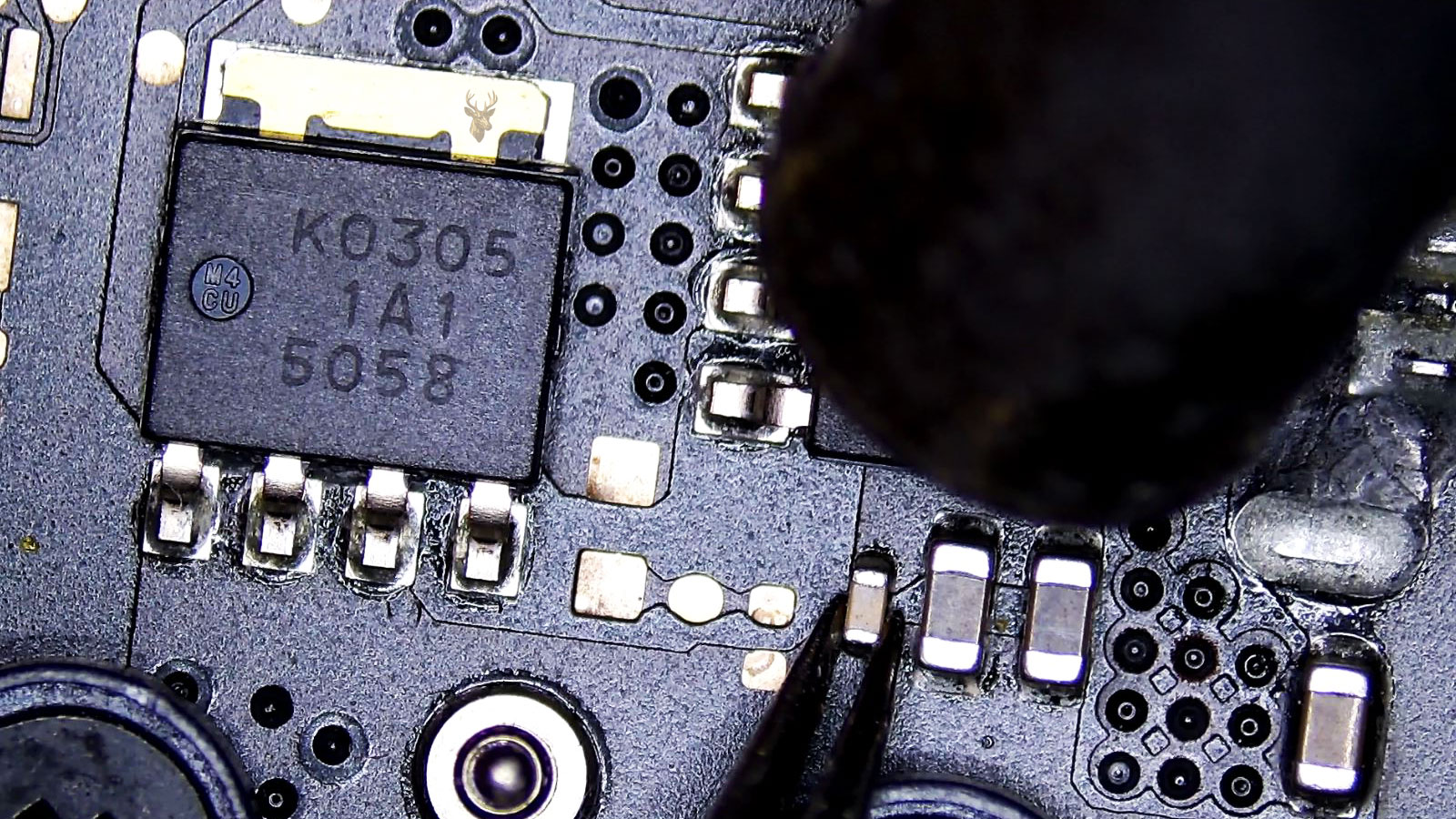
A computer that stays dead, clicks once, shuts off immediately, or refuses to respond to a known-good charger may have a board-level power fault. Repair work can involve checking voltage rails, shorted components, liquid corrosion, damaged power chips, failed fuses, burned traces, and other motherboard sections that prevent the system from starting safely.
Laptop Hinge, Lid, Palm Rest, and Frame Rebuild Service
Laptops can become unsafe to keep opening when the hinge anchors break away from the plastic or metal support structure. This repair can address cracked lid covers, separating palm rests, loose display housings, broken hinge mounts, damaged screw posts, and frame sections that need reinforcement or replacement before the screen or cables are damaged further.
DC Jack, USB-C Charging Port, and Battery Connector Repair
Charging problems can come from more than the adapter. A laptop may need repair for a loose barrel jack, bent USB-C port, damaged charging socket, worn battery connector, broken internal cable, or board-side charging path that no longer passes power correctly. The goal is to restore stable charging without forcing the cord into one exact position.
All-in-One Display, Power Button, and Internal Drive Service
All-in-one computers require careful access because the screen, power controls, storage, cooling, speakers, and internal boards are built into one compact body. Repair can cover black screens, weak power buttons, failing hard drives or SSDs, loose internal cables, fan noise, heat buildup, and startup failures hidden behind the display assembly.
MacBook Liquid Damage, Keyboard, Trackpad, and Logic Board Repair
A MacBook exposed to moisture may continue working for a while before keys fail, the trackpad stops clicking, charging becomes unreliable, or the logic board begins to corrode. Repair can include internal cleaning, corrosion inspection, keyboard or trackpad service, battery checks, board repair, and evaluation of the parts affected by the spill.
Desktop Startup, RAM Slot, Power Supply, and Drive Bay Repair
Desktop computers that beep, restart, show no picture, or fail to detect internal drives may have trouble beyond the operating system. A full repair review can include memory slots, power supply output, motherboard connectors, SATA or power cables, drive bays, front panel wiring, processor seating, and the internal parts needed for a dependable startup.
Signs That a Laptop, Desktop, MacBook, All-in-One, Board, Port, or Drive Needs Repair Before It Gets Worse
Computer trouble at home can begin with small changes that are easy to ignore: a charger that has to be angled, a screen that flickers when the lid moves, a desktop that clicks once and stops, or an all-in-one that gets noisy before freezing. These symptoms can point to worn hardware, loose internal parts, board faults, failing storage, heat damage, or physical stress that should be checked before the machine becomes harder to save.
The Laptop Screen Flickers When the Lid Is Opened or Closed
Flickering during lid movement can come from a damaged display cable, loose hinge pressure, cracked lid frame, failing panel connection, or broken hinge mount pulling against the screen wiring. Continued use can turn a small display problem into a broken screen or torn internal cable.
The Charger Only Works When the Cord Is Held at an Angle
A charging cord that must be twisted, lifted, or pressed into one position can indicate a loose DC jack, worn USB-C port, cracked solder joint, damaged charging cable, or internal power path problem. Forcing the connector can damage the board and make the repair more serious.
The Computer Clicks Once and Then Stays Completely Dead
A single click with no startup can point to a shorted motherboard section, failed power supply, damaged charging circuit, bad internal fuse, or component that is pulling power down as soon as the system tries to start. This type of failure needs electrical testing before more power attempts are made.
The All-in-One Freezes on the Logo Before Reaching the Desktop
An all-in-one that stops at the manufacturer logo may be struggling with a failing hard drive or SSD, weak memory, damaged internal cable, overheating, firmware trouble, or a power board that cannot keep the system stable long enough to load. The issue can be hidden behind the display assembly.
MacBook Keys or Trackpad Stop Responding After a Spill
Moisture damage can keep spreading after the outside of the MacBook looks dry. Sticky keys, a dead trackpad, random clicks, charging problems, or sudden shutdowns can come from corrosion on the keyboard, trackpad cable, battery connector, or logic board.
The Desktop Beeps but the Monitor Never Wakes Up
Beeping with no picture can be tied to RAM trouble, a loose memory slot, graphics card failure, motherboard damage, weak power delivery, or internal parts that shifted after the tower was moved. The beep pattern helps guide testing, but the hardware still needs to be checked directly.
Repair Handling for Computers With Loose Power Parts, Fragile Screens, Weak Frames, and Important Files
A computer may come in with several risks at the same time. The laptop may still turn on but have a loose charging socket, the screen may flicker because the hinge is pulling on the cable, the desktop may click once and stop, or an all-in-one may freeze before it reaches the desktop.
The device is handled in a way that avoids adding more stress to already weak parts. Before deeper work begins, the review can include the charger, case condition, hinge movement, screen response, power behavior, drive activity, fan noise, keyboard and trackpad function, visible liquid marks, and the condition of ports or cables connected to the failure.
What the Repair Review Looks Like When the Machine May Be Easy to Damage Further
Some systems should not be opened, closed, restarted, or plugged in repeatedly without checking what is failing first. A weak DC jack can tear loose from the board, a cracked hinge mount can damage the display cable, a failing drive can become harder to read, and corrosion from a spill can spread across nearby components.
Once the problem area is identified, the repair can move toward the correct work instead of forcing the computer through more trial attempts. That may mean board testing, hinge or frame repair, charging-port replacement, storage evaluation, MacBook liquid-damage service, desktop power diagnosis, or all-in-one internal access when the issue is hidden behind the screen.
Pickup Service for Computers That Need Safe Movement Before Hardware Repair
Moving a damaged computer from home can be difficult when the machine is already showing signs of physical or electrical trouble. A laptop with a loose charging socket, a desktop that clicks and shuts down, an all-in-one with a fragile display, or a MacBook with spill damage should not be carried, tilted, plugged in repeatedly, or restarted more than necessary before the hardware is checked.
Pickup Availability Near NE 5th Street, Federal Highway, Hallandale Beach Boulevard, and Local Hallandale Routes
Residents are close to Hallandale Beach routes that run toward North Federal Highway, South Federal Highway, Atlantic Shores Boulevard, Hallandale Beach Boulevard, Gulfstream Park, The Big Easy Casino, Golden Isles, and nearby shopping or appointment stops. Pickup gives the customer a way to start repair service without struggling to pack up a tower, all-in-one, laptop, charger, external drive, or related cable alone.
The device can be collected with the parts that help explain the failure. That may include the power adapter that only works at one angle, the external drive that stopped reading, the monitor cable used with the desktop, the keyboard or mouse that stopped responding, or the charging cable connected to the problem. Keeping those items together can make the repair review more accurate.
A Safer Start for Machines With Loose Connectors, Bad Drives, Weak Hinges, or No-Power Symptoms
Some computer failures get worse because the machine keeps being handled before the cause is known. A loose hinge can pull harder on the screen cable, a failing drive can become less readable, a bad charging port can damage the board, and a no-power desktop can short further if power is forced through it again and again.
After the computer is received, the repair can begin with controlled checks for power input, board behavior, screen response, charging stability, storage condition, cooling, keyboard and trackpad function, port damage, and signs of liquid exposure. The purpose is to move the machine carefully, reduce unnecessary risk, and give the hardware the proper attention it needs.
Questions About Loose Charging Ports, Broken Hinges, Dead Computers, All-in-One Startup Trouble, Spill Damage, and Desktop Beep Codes
When a computer is already showing physical damage, power trouble, screen failure, or storage warning signs, the next step matters. Customers may be dealing with a machine that still works partly, but one wrong restart, forced charger angle, hard shutdown, or rough movement can make the repair more difficult. These answers cover repair situations where careful testing is safer than continuing to use the computer as-is.
Should I keep using a laptop if the charger only works in one position?
It is better to stop forcing the charger into position. A loose charging port, cracked solder joint, damaged USB-C connector, weak DC jack, or failing board-side charging path can get worse each time the cable is moved. Testing the charger, battery, port, and internal power circuit helps determine whether the repair is a port replacement, cable repair, battery issue, or board-level power problem.
Can a broken laptop hinge damage the screen even if the display still works?
Yes. A broken hinge mount can pull on the display cable, twist the lid, crack the screen frame, separate the palm rest, or place pressure on the panel each time the laptop is opened. Repairing the hinge, lid, frame, or palm rest early can prevent the screen cable or display panel from failing later.
What should be checked when a computer has no lights, no fan, and no startup sound?
A completely dead computer can have a failed power supply, shorted motherboard, bad charging circuit, damaged power button board, blown fuse, liquid corrosion, or internal component pulling the system down. The repair should begin with power testing instead of repeated startup attempts, because forcing power through a short can damage more parts.
Can an all-in-one computer be repaired if it freezes before Windows loads?
Many all-in-one startup failures can be repaired after the internal cause is found. The problem may be a failing drive, weak memory, overheating, loose internal cable, power board issue, damaged screen-side connection, or firmware problem. Because the parts sit behind the display, the machine needs careful access and testing before the correct repair can be chosen.
What happens if a MacBook got wet but still turned on afterward?
A MacBook can power on after a spill and still have moisture or corrosion forming inside. Keyboard failure, trackpad problems, charging trouble, battery warnings, random shutdowns, or logic board damage can appear later. The safer repair path is to inspect the inside, clean affected areas, check the battery and connectors, and test the board before corrosion spreads.
Why does my desktop beep but never show anything on the screen?
Beeping without video often points to a hardware startup fault. The issue may involve RAM, a memory slot, graphics hardware, motherboard failure, processor seating, power supply output, or internal cables. The beep pattern can help guide the diagnosis, but the parts still need to be tested directly to confirm what is preventing the display from coming on.
Hardware Repair for Computers That Are Becoming Too Risky to Keep Using
A computer problem may start with something that seems manageable: a charger that needs pressure, a hinge that feels loose, a desktop that beeps without showing video, an all-in-one that freezes before loading, or a MacBook that still turns on after a spill. Those warning signs should not be ignored, because they can point to failing power parts, damaged boards, weak storage, screen-cable stress, corrosion, or internal hardware that may get worse with continued use.
Repair work for local residents can include motherboard power testing, short-circuit repair, charging-port replacement, hinge and frame rebuilding, all-in-one internal service, MacBook liquid-damage inspection, desktop startup diagnosis, screen repair, cooling service, drive replacement, and file recovery support when the machine holds important data. The focus is to handle the computer carefully, find the damaged section, and return a device that is safer, steadier, and more practical to use at home.