
Computer Repair Perrine
Computer Help for Homes, Shops, and Work Areas Near US 1
Perrine is one of those South Miami-Dade names that still means something locally, even as the surrounding map now points to West Perrine, Palmetto Bay, Cutler Bay, and nearby communities. US 1, South Dixie Highway, and the Florida Turnpike side of the area shape much of the daily movement here, with residential streets, local businesses, service shops, and workspaces all sitting close to major South Dade routes.
The Perrine Community House, built in 1935 on the center island between the northbound and southbound sides of US 1, gives the area a real historic marker instead of just another place name on a map. Today, computers may be handling invoices, school assignments, customer records, online work, family files, or office communication, so a failed system can quickly interrupt the day.
Repair Access for Systems That Cannot Stay Down
A customer may be dealing with a Windows tower that refuses to boot, an Apple computer that keeps freezing, a notebook with charging trouble, a business machine with corrupted files, or a slow system that has become difficult to depend on. The repair approach starts with the actual symptom, then moves toward the cause instead of treating every computer problem the same way.
When transporting the computer would be inconvenient, especially for heavy desktops, work systems, or machines that no longer start correctly, a pickup arrangement can help get the repair moving without forcing an extra trip. Residents and local businesses can get computer repair support handled professionally, carefully, and with the service area in mind.
A Careful Path From Computer Trouble to a Working System
A computer may be used for business records, schoolwork, online meetings, design files, billing, family documents, or daily communication. The repair process is handled with that in mind, starting with the symptoms, checking the condition of the system, and choosing a repair direction that protects both the computer and the information stored on it.
Review the Symptoms and Recent Changes
The first step is to understand what changed before the problem started. A failed update, sudden shutdown, liquid exposure, power issue, unusual noise, slow startup, or missing file can all point in a different repair direction, so the details matter before the system is opened or adjusted.
Check the System Without Guesswork
The computer is inspected to separate software problems from hardware failure, storage trouble, thermal issues, damaged connections, malware activity, or operating system corruption. This keeps the repair focused on the real cause instead of replacing parts or changing settings without a clear reason.
Repair, Test, and Prepare the Computer for Use
After the repair direction is confirmed, the work is completed and the system is tested for stability, startup behavior, file access, performance, and normal use. Customers can then receive the computer back with the issue addressed and the next steps explained clearly.
Hardware-Focused Computer Repair for Serious System Problems
Not every computer problem is solved with a cleanup or a quick software adjustment. Customers dealing with power failure, physical damage, broken laptop parts, damaged ports, display problems, board-level faults, or internal component issues need repair work that goes deeper than basic troubleshooting.
Motherboard and Board-Level Repair
Motherboard problems can cause no power, no display, random shutdowns, charging failure, short circuits, and unstable performance. Board-level repair focuses on testing the logic board or motherboard, finding damaged areas, and addressing faults that cannot be fixed by simple part swapping.
Micro-Soldering and Component Repair
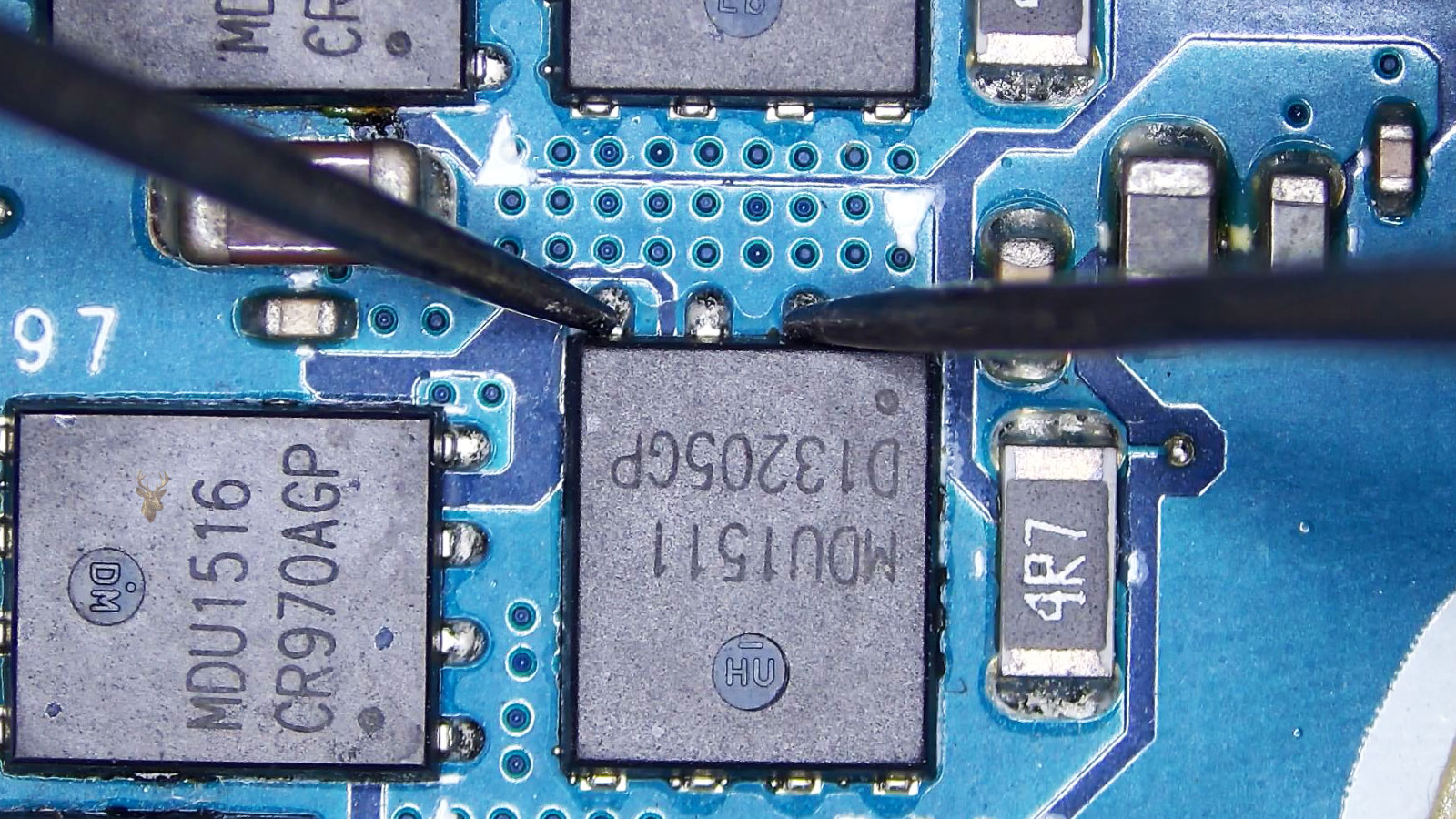
Some failures happen at the component level, including damaged connectors, failed chips, missing pads, broken traces, and small electronic parts that require precision work. Micro-soldering allows the repair to target the damaged section instead of replacing an entire assembly unnecessarily.
MacBook and Laptop Screen Replacement
Cracked LCD panels, dim displays, flickering screens, backlight failure, and damaged display assemblies can make a laptop or MacBook difficult or impossible to use. Screen replacement service is available for many MacBook, MacBook Air, MacBook Pro, and Windows laptop models.
Hinge, Frame, and Lid Damage Repair
Broken hinges, separated frames, loose display lids, cracked plastics, and damaged mounting points can get worse each time the laptop is opened or closed. Repairing these areas helps protect the screen, internal cables, webcam wiring, and the structure of the computer.
Keyboard, Battery, and Charging Repairs
A laptop with a swollen battery, dead keyboard, failed charging port, liquid-damaged keys, or a power issue needs careful internal service. Repairs can include battery replacement, keyboard replacement, charging circuit checks, power jack work, and related internal inspections.
Storage Drive Repair and Data Access
Failing hard drives, damaged SSDs, corrupted storage, and computers that no longer boot can put important files at risk. Storage service may include drive testing, replacement, data access attempts, system transfer, and repair work needed to restore a usable computer.
Physical and Electrical Problems That Should Not Be Ignored
Some computer failures show up as clear hardware symptoms before the system completely stops working. Customers who notice power trouble, screen damage, charging problems, hinge separation, liquid exposure, or unusual electrical behavior should have the computer checked before the damage spreads to the motherboard, display assembly, storage drive, or other internal parts.
The Charger Connects but the Battery Does Not Charge
When a laptop or MacBook shows no charging response, charges only at a certain angle, or loses power even while plugged in, the issue may involve the charging port, USB-C circuit, battery, power rail, adapter connection, or motherboard-level charging components.
The Screen Flickers, Dims, or Shows Lines
Display lines, flickering, backlight failure, dim images, or a screen that changes when the lid moves can point to LCD damage, display cable failure, hinge-related cable stress, graphics issues, or problems inside the screen assembly.
The Hinge Feels Loose or the Lid Starts Separating
A loose hinge, cracked palm rest, separating lid, lifted bezel, or popping sound when opening the computer can turn into serious structural damage. If ignored, the hinge can pull on display cables, damage the frame, or crack the screen.
The Keyboard or Trackpad Stops Responding After Damage
Keys that stop working, a trackpad that clicks incorrectly, liquid-damaged keyboard areas, or a lifted trackpad can signal internal failure. In some cases, the problem may be connected to the keyboard assembly, battery swelling, cable damage, or corrosion inside the computer.
The Computer Has a Burnt Smell or Gets Power Then Dies
A burnt smell, brief power light, instant shutdown, clicking power behavior, or repeated failure when the charger is connected can indicate a short circuit or failed component. These symptoms should be handled carefully because continued attempts to power on the system may cause more damage.
Liquid Was Spilled and the Computer Still Turns On
A computer may still power on after a spill, but liquid can leave corrosion under the keyboard, near connectors, around the battery, or on the motherboard. Even if it appears usable, the system should be inspected before hidden damage creates charging failure, keyboard problems, or board-level faults.
Careful Internal Service for Computers With Real Hardware Failure
A damaged computer needs more than a quick look at the operating system when the symptoms point to power faults, display failure, liquid exposure, broken hinges, charging trouble, or motherboard damage. Service handling begins with the condition of the machine itself, including how it powers on, how the board responds, what physical damage is visible, and whether the stored data needs protection before repair work continues.
Laptops, MacBooks, desktops, and work computers are handled with attention to the internal parts that can be affected during a failure. Screens, batteries, keyboards, ports, storage drives, cooling parts, connectors, cables, and board components all need to be checked carefully when the problem is deeper than a normal software issue.
What the Repair Review Looks For
The inspection can focus on signs such as shorted components, damaged charging circuits, unstable power rails, cracked LCD panels, swollen batteries, corroded areas, broken solder joints, failing storage, or structural damage around the hinge and frame. This helps determine whether the repair requires replacement parts, micro-soldering, board-level work, data protection steps, or a safer recovery plan.
Customers can expect the repair to be approached with a practical shop mindset: identify the failure, protect what matters, explain the repair path, and avoid unnecessary work when a more precise solution is available. The goal is to return the computer in a dependable condition, whether it is used at home, inside a business, or as part of a daily work routine.
A Practical Repair Option When the Computer Should Not Be Moved Around
Some repair situations are not simple to carry across town, especially when the computer has no power, a damaged screen, a loose hinge, a swollen battery, liquid exposure, or a desktop setup with multiple connections. Service can be arranged in a way that helps get the machine into the repair process without making the customer handle unnecessary travel or risk more damage.
Coverage Around South Dade Routes
Service access can be arranged around Perrine, West Perrine, and nearby South Miami-Dade areas connected by US 1, South Dixie Highway, the Florida Turnpike, and the surrounding roads that lead toward Palmetto Bay, Cutler Bay, and adjacent neighborhoods.
This is useful for customers who have a system that is physically damaged, difficult to transport, or important to daily work. Instead of forcing a damaged computer into extra movement, the repair can begin with a more controlled pickup arrangement when that option makes sense.
Built for Real Repair Situations, Not Just Convenience
Pickup can help when the computer has a cracked display, unstable charging connection, broken hinge, failed storage drive, board-level power issue, or internal damage that should be handled carefully. These are the types of problems where unnecessary handling can make the repair more complicated.
Residents, local offices, and small workspaces can use this service path when the computer needs professional repair attention but bringing it in personally is not the best option. The purpose is to make the repair easier to start while keeping the system, its parts, and the stored information treated with care.
Answers for Customers with Serious Computer Repair Needs
Many computer repair questions start when the problem looks physical, electrical, or too advanced for a basic software fix. These answers are written for customers who need help with damaged laptops, MacBooks, motherboards, screens, charging problems, liquid damage, storage failure, and other repair situations that require real shop work.
Can you repair a laptop or MacBook that has no power?
Yes. A no-power condition can come from a failed charger connection, damaged charging port, battery problem, shorted motherboard component, liquid damage, or a fault in the power circuit. The system needs to be tested carefully so the repair is based on the real failure instead of guessing.
Do you handle motherboard repair and micro-soldering?
Yes. Some computers need board-level work when the issue is caused by failed components, damaged connectors, broken traces, short circuits, or power delivery problems. Micro-soldering may be used when the repair requires precision work on small parts of the motherboard or logic board.
Can you replace cracked laptop and MacBook screens?
Yes. Screen replacement is available for many laptop, MacBook Air, and MacBook Pro models with cracked glass, damaged LCD panels, flickering displays, backlight failure, lines on the screen, or display assemblies that no longer show a clear image.
Can hinge damage be repaired before it breaks the screen?
Yes. A loose hinge, separating lid, cracked frame, or broken mounting point should be repaired before it puts pressure on the screen, webcam cable, display cable, or palm rest. Hinge damage can spread quickly if the computer continues to be opened and closed without repair.
Should a computer be checked after liquid damage even if it still turns on?
Yes. Liquid can leave corrosion under the keyboard, around connectors, near the battery, and on the motherboard. A computer may still turn on at first, but hidden damage can later cause charging failure, keyboard problems, short circuits, or board-level issues.
Can you help when a drive fails and important files are needed?
Yes. When a hard drive or SSD fails, the computer should be handled carefully to avoid making the data loss worse. The drive can be checked, recovery options can be reviewed, and if possible, files can be accessed before replacing storage or rebuilding the system.
Professional Repair Help for Computers That Need More Than a Quick Fix
When a computer problem involves physical damage, charging failure, display trouble, board-level faults, liquid exposure, broken hinges, failed storage, or internal power issues, the repair needs to be handled with real shop experience. Customers should not have to treat serious hardware problems like simple software annoyances, especially when the system holds work files, business records, school projects, or important personal data.
Repair service is available for residents, home offices, and local businesses that need careful attention for laptops, MacBooks, desktops, motherboards, screens, batteries, keyboards, ports, storage drives, and other internal components. When the system needs professional repair, the goal is to give customers a clear way to start the service, protect the computer, and move toward a dependable result.