
Computer Repair Coral Gables
Keeping Everyday Technology Working When It Matters Most
Coral Gables computers often support more than one responsibility at a time: business applications, schoolwork, shared files, email accounts, displays, backups, and everyday communication. When one part of that setup stops working near Miracle Mile, the University of Miami, Ponce de Leon Boulevard, or the Biltmore Hotel area, the interruption can affect the entire routine.
A missing shared folder, failed email sync, licensing error, disconnected monitor, or silent backup failure can come from several different places. Software settings, user permissions, account authentication, display configuration, storage behavior, or background services may all be involved. Reviewing how the system is being used helps identify the right repair path without assuming the problem is a failed part.
Every Computer Works Differently
No two systems are configured exactly alike. Some computers manage financial records, others support engineering software, creative applications, academic research, medical offices, or years of family photographs. Because every environment is different, successful repairs begin by understanding how the computer is actually used instead of treating every problem the same way.
Reviewing software configuration, connected equipment, user accounts, storage devices, and operating system behavior helps create recommendations based on the complete system rather than a single symptom.
Creating A Repair Strategy That Fits The Entire System
Modern computers depend on dozens of components working together, from operating systems and storage devices to user accounts, security policies, cloud services, and connected hardware. Addressing only the visible symptom without considering the rest of the system can sometimes create additional problems that were never there in the first place.
Instead of following the same repair routine every time, each computer benefits from a strategy built around its configuration, workload, and the customer’s priorities. That approach helps preserve existing settings, reduces unnecessary changes, and focuses attention on restoring dependable long-term operation.
Learning How the Computer Is Used
Understanding daily workflows, important applications, connected equipment, and the customer’s priorities provides valuable context before repairs begin.
Evaluating The Complete System
Software, storage, operating system services, connected devices, user accounts, and communication between components are reviewed together to understand how the entire environment is functioning.
Building A Practical Solution
Once the overall condition of the computer has been evaluated, recommendations can focus on solutions that improve reliability while avoiding unnecessary disruption to existing files, settings, and daily productivity.
Supporting Computers Through Every Stage Of Their Life Cycle
Technology needs change over time. Some computers require corrective repairs after an unexpected failure, while others benefit from preventive maintenance, operating system improvements, security enhancements, or hardware modernization that extends useful life. Selecting the right solution depends on how the computer is used rather than simply addressing the first symptom that appears.
Instead of offering identical repairs for every situation, each recommendation should reflect the system’s condition, workload, and future requirements. Whether the objective is greater reliability, improved efficiency, or restoring lost functionality, repairs are approached with long-term performance in mind.
Motherboard Diagnostics
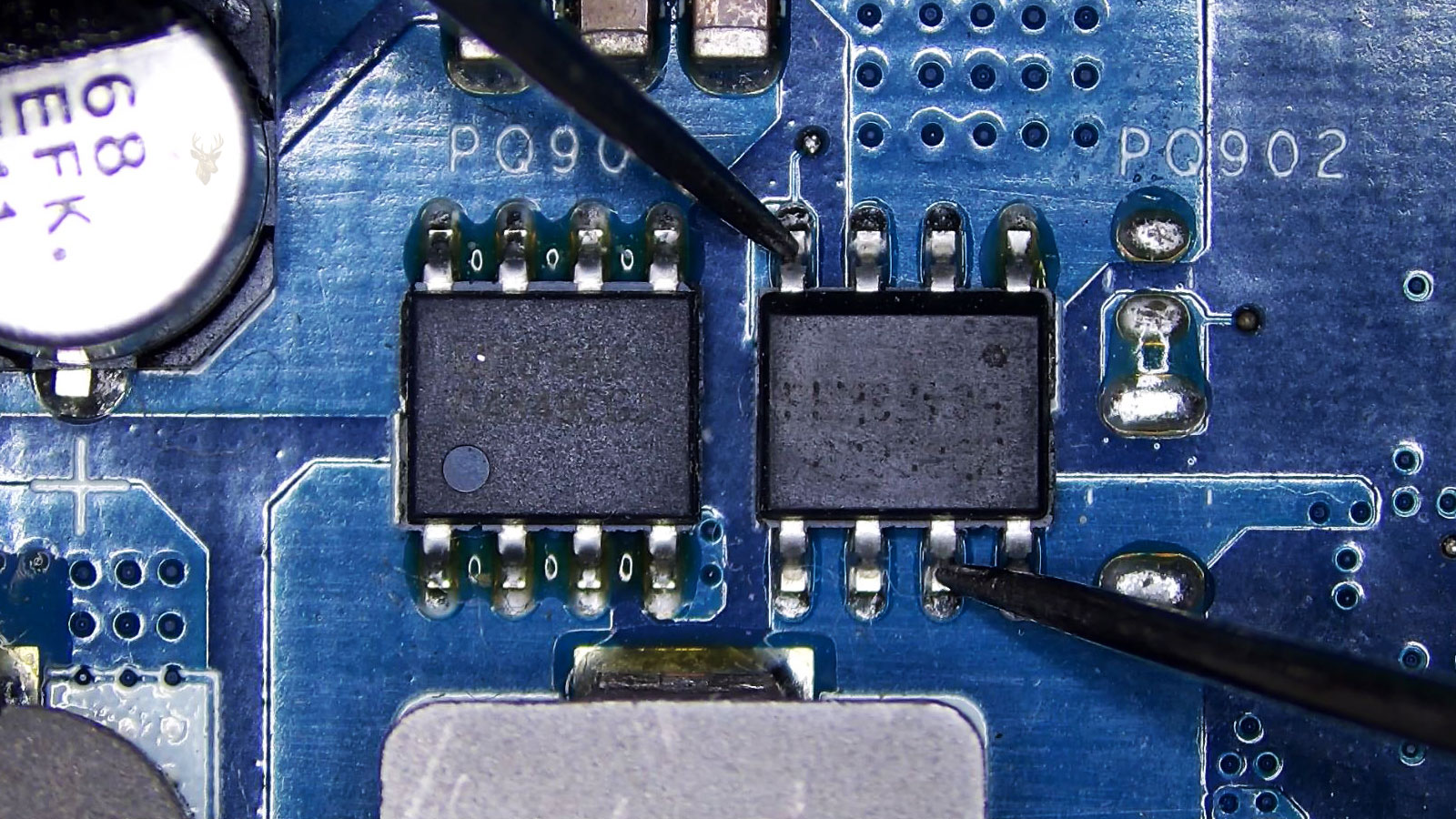
Power regulation problems, damaged circuitry, failed communication buses, and onboard component failures can prevent a computer from operating reliably. Careful testing helps identify whether board-level repair or component replacement is the most practical solution.
Password & Account Recovery
Lost user credentials, account lockouts, profile corruption, authentication failures, and access problems can often be resolved while preserving existing files and personal settings whenever possible.
Email Configuration Assistance
Email accounts that stop sending or receiving messages, synchronization failures, authentication errors, and mailbox configuration problems can interrupt both personal and business communication.
Peripheral Device Integration
Scanners, receipt printers, webcams, label printers, external drives, docking stations, and other accessories may require configuration or troubleshooting to communicate properly with the computer.
Solid-State Drive Upgrades
Replacing older storage devices with modern solid-state drives can improve startup times, application responsiveness, file access, and overall system performance while extending the useful life of many computers.
Firmware & BIOS Configuration
Startup configuration, hardware compatibility, firmware settings, secure boot options, and system initialization can all influence stability and performance. Proper configuration helps ensure reliable operation.
Recognizing Small Changes Before They Become Larger Problems
Many computer problems develop gradually instead of appearing all at once. Small changes in performance, unusual behavior, or inconsistent communication between devices often provide valuable clues long before a complete failure occurs. Recognizing those early indicators can help reduce downtime and prevent additional complications.
Some symptoms originate from hardware, while others begin with software, operating system services, security settings, or communication between connected devices. Understanding those differences helps determine the most appropriate repair path.
Repeated Application Crashes
If the same programs begin closing unexpectedly, freezing during normal use, or displaying repeated error messages, damaged application files, memory problems, or operating system conflicts may be developing.
Battery Draining Faster Than Normal
A laptop that suddenly loses battery capacity, charges unusually slowly, or shuts down before reaching a low percentage may indicate battery wear, charging circuit issues, or excessive background activity.
Unrecognized USB Devices
Flash drives, external hard drives, keyboards, or other USB devices that are no longer detected consistently can point toward driver conflicts, failing ports, communication errors, or hardware problems.
Unexpected Audio Problems
Missing sound, distorted audio, microphones that stop responding, or speakers that disconnect unexpectedly may be related to driver updates, hardware settings, software conflicts, or connected peripherals.
Frequent Security Alerts
Repeated security notifications, unusual login verification requests, unexpected account warnings, or suspicious browser behavior should be investigated promptly to help protect personal information.
Clock and Date Keep Resetting
A computer that repeatedly loses the correct time or date after being turned off may be experiencing CMOS battery failure, firmware configuration problems, or motherboard-related issues that deserve attention before they become larger problems.
Choosing The Right Solution For Your Computer
Every repair begins with different priorities. Some computers are used for business operations where minimizing downtime is the primary concern, while others contain years of family photographs, financial records, academic work, architectural drawings, or specialized software that cannot easily be replaced. Understanding those priorities helps determine the safest and most practical repair path.
Rather than applying the same repair process to every computer, attention is given to preserving important information, maintaining existing software environments whenever possible, and recommending solutions that support the way the system is used long after the repair has been completed.
Information That Helps the Repair Process
Small details often make a significant difference. Knowing when the problem first appeared, whether it followed a software update, electrical outage, new hardware installation, accidental spill, or unusual system message can help narrow the investigation much more efficiently than relying on the current symptoms alone.
Providing power adapters, external drives, docking stations, or other accessories associated with the reported issue may also help recreate the problem under normal operating conditions and support a more complete evaluation.
Simple Steps That Can Make Computer Service Easier
Preparing a computer before service does not require technical knowledge, but a few simple steps can help make the evaluation more efficient. Recording unusual messages, identifying programs affected by the problem, and making note of any recent changes can provide valuable information before diagnostics begin.
Whether the issue involves hardware, software, storage, security, operating systems, or connected devices, gathering a little information beforehand often helps create a clearer picture of how the problem developed and which repair options may be the most appropriate.
Before Bringing in Your Computer
If possible, disconnect accessories that are unrelated to the reported issue, gather any required charging equipment, and make a list of usernames or software that may need to be tested. Having this information available can help reduce delays during the evaluation process.
Recommendations Tailored To Your System
After the computer has been evaluated, recommendations are based on its actual condition, overall reliability, and intended use. Whether the solution involves selective hardware replacement, software correction, storage improvements, configuration adjustments, or preventive maintenance, every recommendation is intended to provide dependable long-term performance instead of a temporary fix.
Helpful Information Before Scheduling Computer Service
Computer problems can develop for many different reasons, and no two systems behave exactly the same. The questions below address some of the situations customers frequently encounter before deciding how to proceed with a repair.
Why does my computer randomly disconnect from Bluetooth devices?
Bluetooth interruptions can result from outdated drivers, wireless interference, operating system updates, power management settings, or hardware communication problems. Identifying the source helps restore reliable connections without unnecessary replacement of components.
Can a failed software update affect normal computer performance?
Yes. Incomplete updates may leave damaged system files, interrupted services, driver incompatibilities, or application conflicts that affect overall stability. Correcting the installation often restores normal operation without replacing hardware.
What causes a computer to stop recognizing an external monitor?
The problem may involve display drivers, graphics settings, damaged cables, docking stations, adapter compatibility, graphics hardware, or operating system configuration. Testing each part of the display chain helps isolate the actual cause.
Is it possible to improve computer performance without replacing the entire system?
In many situations, yes. Storage upgrades, memory expansion, operating system maintenance, software optimization, firmware updates, and selective hardware improvements can often extend the useful life of a computer.
Why does my computer ask to repair the drive every time it starts?
Repeated disk repair messages can indicate file system corruption, storage communication issues, unexpected shutdowns, or developing drive problems. Investigating the cause early helps reduce the risk of additional data loss.
Can one failing component affect the rest of the computer?
Yes. Problems involving storage devices, memory, power delivery, cooling systems, or firmware can sometimes create symptoms that appear unrelated. Evaluating the computer as a complete system helps identify the true source of the issue.
Supporting Reliable Technology For Everyday Computing
Computers support everything from business operations and education to communication, entertainment, financial management, and creative work. When technical problems interrupt those activities, understanding the complete system is the first step toward restoring dependable performance and protecting valuable information.
Whether the solution involves hardware repairs, operating system improvements, storage management, software correction, preventive maintenance, or long-term performance planning, thoughtful recommendations help extend the useful life of the computer while supporting reliable operation well into the future.