
Computer Repair in Westwood Lake
Technical Support for a Community Centered Around Bird Road and Westwood Lake
Westwood Lake is a well-established residential community where Bird Road, the Homestead Extension of Florida’s Turnpike, neighborhood parks, schools, and nearby shopping areas support everyday life. The lake itself, together with nearby Westwood Park, Blue Lakes Park, and Tropical Estates Park, helps define an area where families, commuters, students, and local businesses depend on technology throughout the day.
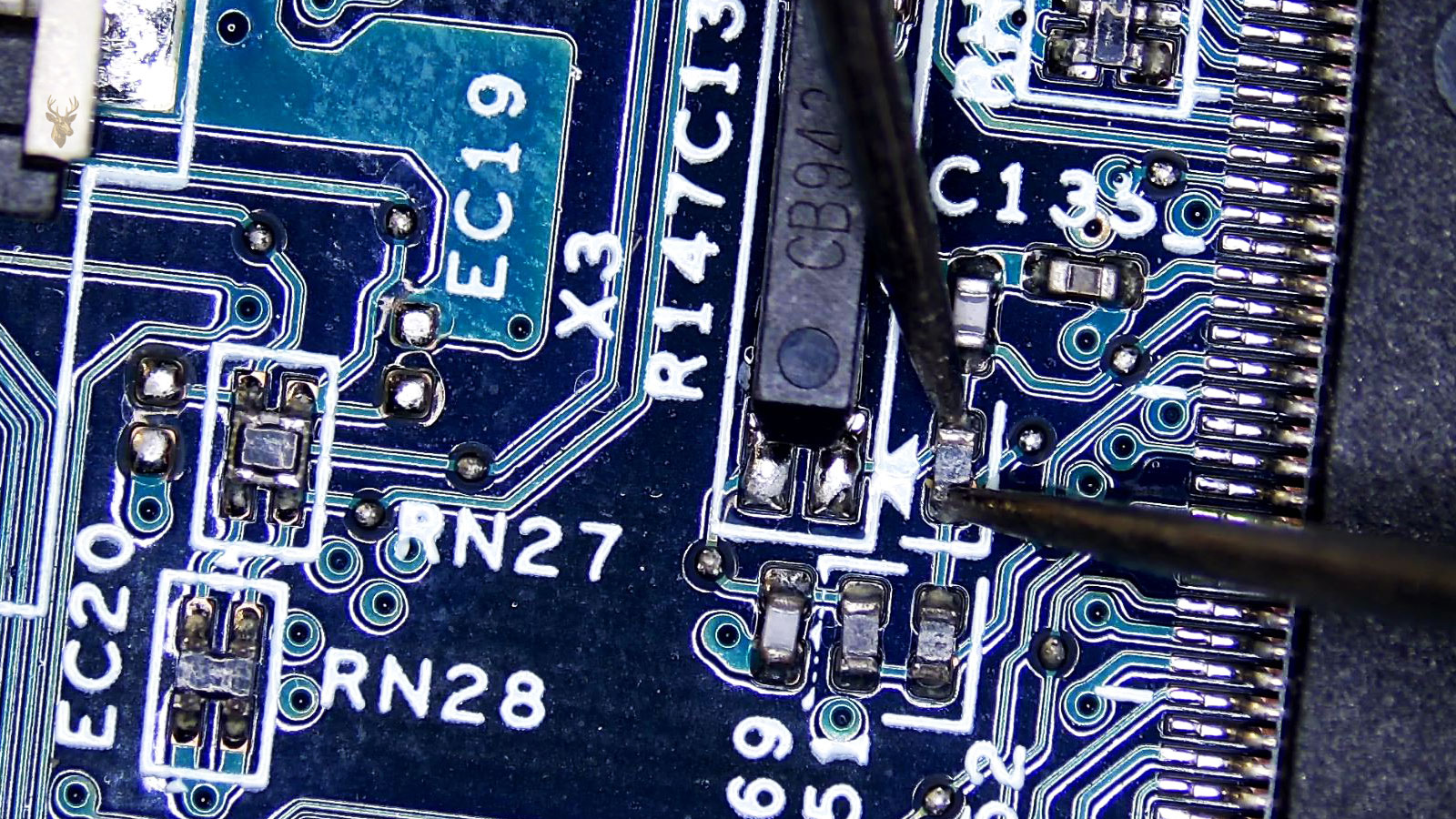
Whether a computer is used for remote employment, managing a small business, school assignments, financial records, or creative projects, dependable hardware matters. Our repair services address motherboard failures, damaged displays, charging problems, overheating, storage issues, broken connectors, and other hardware conditions that can interrupt those daily responsibilities.
Repair Support for Homes, Schools, and Everyday Computer Use
Residents move throughout the area using Bird Road, nearby neighborhood streets, and surrounding commercial corridors, often carrying laptops between home, work, and school while desktop systems remain at the center of household offices and family workspaces. That constant use places normal wear on screens, hinges, cooling systems, charging ports, storage devices, and other internal components that eventually require professional attention.
When a computer begins showing signs of hardware failure, unstable operation, or physical damage, bringing it to us allows the condition to be evaluated carefully before the problem becomes more extensive. We identify the underlying cause, explain the practical repair options, and carry out the work with attention to long-term reliability rather than temporary fixes.
Repair Steps Designed to Narrow the Problem With Precision
Good repair work depends on reducing uncertainty one stage at a time. The reported behavior is compared with the physical condition of the computer, the way it responds to power, and any recent event that may have contributed to the failure.
Testing then follows the most relevant clues instead of treating every component as equally suspect. This keeps the process efficient, limits unnecessary disassembly, and creates a repair plan based on confirmed evidence rather than broad assumptions.
Building a Clear Picture of the Failure
Startup behavior, warning lights, error messages, unusual sounds, temperature changes, and visible damage are reviewed together. These details help establish which systems are involved and which areas can be ruled out early.
Checking the Hardware Behind the Symptom
Components connected to the complaint are examined in a controlled order. Power delivery, board connections, memory, storage, cooling, display hardware, and related circuits may be compared until the point of failure becomes clear.
Testing the Computer After the Work
Once the repair is finished, the original problem is checked again under normal operating conditions. Startup, stability, temperatures, connected hardware, and the repaired function are reviewed before the system is considered ready for return.
Targeted Repairs for Components That Keep the Entire System Working
Many computer failures begin in smaller assemblies that are essential to normal operation. Storage connectors, cooling hardware, internal wiring, wireless components, timing circuits, and front-panel controls can all create serious problems when they become damaged or unstable.
The services below focus on areas that often require careful disassembly, electrical testing, and exact part matching. Each repair is based on the construction of the machine and the role the affected component plays within the complete system.
NVMe and M.2 Slot Repair
Broken mounting points, damaged contacts, missing drive detection, and unstable NVMe connections may involve the M.2 socket, nearby power components, board traces, or the storage controller. Repair can include connector replacement, trace restoration, and testing with compatible drives.
SATA Connector and Drive Bay Service
Loose drive cables, cracked motherboard sockets, damaged power connectors, and worn drive trays can interrupt communication with internal storage. The connection path is inspected so the affected cable, socket, bay hardware, or supporting circuit can be repaired or replaced.
Fan and Heatpipe Replacement
Cooling systems with seized fans, damaged blades, weak airflow, bent heatpipes, or poor contact with the processor can cause thermal shutdowns and reduced performance. Service restores proper heat transfer and confirms that temperatures remain controlled under normal load.
Desktop Front Panel and Case Wiring Repair
Broken power buttons, damaged USB headers, disconnected audio ports, faulty indicator lights, and worn front-panel cables can make an otherwise functional desktop difficult to operate. Internal wiring and case-mounted controls are traced, repaired, or replaced as needed.
Wireless Card and Antenna Repair
Poor signal strength, missing Wi-Fi, unstable Bluetooth, and connections that fail when the screen moves may be caused by a damaged wireless card, loose antenna leads, broken hinge-area wiring, or a faulty motherboard socket. The complete wireless path is checked rather than replacing the card automatically.
CMOS Battery and RTC Circuit Service
Systems that lose the date, reset firmware settings, or display configuration warnings after shutdown may have a depleted CMOS battery or a problem within the real-time clock circuit. Service can include battery replacement, connector repair, and testing to confirm that settings remain stored correctly.
Computer Symptoms That Point to Failing Internal Components
Hardware trouble can appear through small changes in the way a system stores settings, detects devices, controls power, or responds to normal movement. These symptoms may seem unrelated at first, but they often provide useful evidence about which internal part is becoming unstable.
Ignoring repeated warning signs can make diagnosis more difficult if the fault spreads or becomes intermittent. A proper inspection can separate ordinary wear from problems involving connectors, storage interfaces, cooling assemblies, internal wiring, or motherboard circuits.
The Computer Loses Its Date and Time After Shutdown
A clock that resets, firmware settings that disappear, or repeated configuration warnings may indicate a depleted CMOS battery, a damaged battery connector, or a fault within the real-time clock circuit.
An Internal Drive Appears and Disappears Randomly
Storage that is detected only during some startups may point to a loose SATA cable, damaged M.2 socket, unstable power connection, failing controller, or worn contact between the drive and motherboard.
The Fan Starts and Stops Repeatedly
Rapid fan cycling, sudden changes in speed, or cooling that cuts out without warning can result from a failing fan motor, damaged fan connector, temperature-sensor problem, blocked airflow, or unstable control circuitry.
The Power Button Works Only After Several Presses
Delayed startup response may come from a worn switch, damaged front-panel cable, loose motherboard header, fractured solder joint, or failing power-control circuit rather than the operating system itself.
Wi-Fi Signal Changes When the Screen Is Moved
Wireless reception that improves or disappears as the lid opens and closes can reveal loose antenna leads, damaged hinge-area wiring, a cracked connector, or an antenna cable that has been pinched inside the display assembly.
The Computer Stops Responding When an External Drive Is Connected
Freezing, shutdowns, or loss of power after connecting storage may indicate a damaged USB port, shorted device, unstable controller, overloaded power rail, or motherboard fault affecting external connections.
Disassembly Planned Around the Construction of the Machine
Compact computers often place storage, cooling, wireless hardware, batteries, and board connections within the same confined area. Reaching one failed component may require several nearby assemblies to be loosened or removed, so the order of access matters throughout the repair.
Fasteners, shields, adhesive sections, ribbon cables, and pressure-sensitive connectors are managed according to the design of the system rather than treated as interchangeable parts. Careful organization during disassembly helps protect working hardware and supports accurate reassembly after the fault has been addressed.
Decisions Made When the Interior Tells a Different Story
The condition found inside the enclosure may not match the original symptoms. Dust buildup, weakened mounts, damaged sockets, pinched wiring, heat discoloration, or earlier repair attempts can reveal additional concerns that affect the safest way to continue.
Any change in direction is based on whether the surrounding components can support the intended repair reliably. The service remains focused on restoring function without overlooking conditions that could shorten the life of the completed work or create another failure soon afterward.
Organized Collection for Equipment That Requires More Than a Simple Drop-Off
Some repair requests involve systems that are heavy, difficult to disconnect, mounted in tight work areas, or dependent on several accessories. Planning the transfer in advance helps preserve the original setup and reduces the chance that an important cable, adapter, or component is left behind.
Collection details are reviewed according to the condition of the equipment and the way the failure appears during normal use. This makes it easier to decide what should accompany the computer and how the system should be prepared before it leaves the location.
Keeping Important Parts With the Correct System
Chargers, power bricks, removable storage, wireless receivers, display adapters, and specialized cables should remain matched to the computer they belong to. Clear identification is especially important when several devices or similar accessories are being handled at the same time.
Notes about intermittent faults, unusual startup behavior, or connections that must remain in a certain position can also travel with the equipment. That information helps preserve details that may not be obvious once the system reaches the repair bench.
Coordinating Access for Residential and Workplace Locations
Apartment entry, gated access, elevators, parking limitations, office schedules, and equipment placement can all affect how collection is arranged. Reviewing those details beforehand helps avoid delays and keeps the transfer from interfering unnecessarily with the customer’s routine.
Service requests involving multiple computers or larger setups can be organized around the number of systems, their size, and the urgency of the work. The objective is to create a practical handoff that keeps equipment secure and gives the repair process the correct starting conditions.
Helpful Information Before Committing to Computer Service
Repair questions often become more specific once the problem involves internal storage, cooling hardware, motherboard connections, wireless components, or equipment that behaves differently depending on how it is being used. Understanding those details can make the service process easier to plan.
Each situation depends on the design of the computer, the condition of the affected parts, and whether the failure can be reproduced during testing. The answers here cover practical concerns that may arise before work begins or while the system is being evaluated.
Can an M.2 Slot Be Repaired If the Drive Is Not Detected?
Yes, depending on the cause. The problem may involve damaged contacts, missing mounting hardware, failed power components, broken traces, or a controller fault. Testing helps determine whether the slot can be restored or whether another storage connection is the better option.
Can a Noisy Fan Be Repaired or Does It Need Replacement?
Rattling, grinding, and uneven fan speed usually indicate bearing wear, blade damage, obstruction, or a failing motor. Cleaning may help when debris is responsible, but a worn or damaged fan generally needs replacement to restore dependable cooling.
What Causes a Computer to Stop Detecting Wi-Fi Hardware?
A missing wireless adapter may result from a failed card, loose antenna connections, a damaged motherboard socket, firmware settings, or a circuit problem affecting the device. Inspection is needed before assuming the card itself is defective.
Can a Damaged SATA Connector Be Replaced on the Motherboard?
In many cases, a broken SATA socket can be removed and replaced if the board pads and traces remain usable. When the surrounding contact points are damaged, additional trace reconstruction may be required to restore the connection.
Should I Replace the Entire Computer If It Keeps Losing BIOS Settings?
Not necessarily. Lost time, date, and firmware settings are often caused by a depleted CMOS battery or a fault in the real-time clock circuit. Those areas should be checked before considering replacement of the full system.
Can Several Computers From the Same Location Be Serviced Together?
Yes. Multiple systems can be organized as one service request when a household, office, or small business needs several machines evaluated. Keeping each computer matched with its charger, accessories, and problem notes helps prevent confusion during testing.
Turn an Unstable System Into a Clear Repair Decision
Repeated startup trouble, disappearing drives, cooling failures, damaged connectors, wireless instability, and other hardware problems can gradually make a computer harder to trust. A focused inspection can reveal whether the fault is limited to one component or connected to a wider condition that should be addressed before the system becomes unusable.
Homes and workplaces in Westwood Lake can bring those concerns to us for careful testing and practical repair recommendations. Reach out with the symptoms you are seeing so the equipment can be evaluated properly and the next step can be based on what the computer actually needs.