
Computer Repair The Roads
Repair Support Along Miami’s Distinctive Diagonal Roads
Originally known as Brickell Hammock, The Roads was planned by Mary Brickell in 1922 as a residential community that broke away from Miami’s familiar street grid. Its angled roadways, landscaped medians, and traffic circles remain defining parts of a neighborhood positioned immediately west of Brickell.
That central setting makes it practical for residents and nearby professionals to request assistance when a computer becomes unreliable, suffers physical damage, or can no longer perform the work expected of it. Service can begin with the specific failure and the condition of the equipment rather than a standard list of assumptions.
Technical Service Within a Historic Residential Setting
Wide boulevards, mature landscaping, older houses, and later residential buildings give the area a character noticeably different from the towers nearby. The neighborhood remains close to Downtown, Brickell, and the routes leading toward Coconut Grove without losing its primarily residential identity.
Computer repair services are available in The Roads for equipment affected by electrical faults, broken parts, storage failure, operating-system damage, heat-related instability, and other conditions that require proper diagnosis. The recommended work can then be based on what testing reveals and what is reasonable for that particular system.
From the First Symptoms to a Confirmed Solution
A repair should begin with the circumstances surrounding the failure. Changes in power behavior, display output, charging, temperature, storage access, or startup response can reveal where testing should begin and which parts of the system deserve immediate attention.
Once the condition is understood, the work can proceed in a controlled order that separates the main fault from any secondary problems. This allows the repair to be based on verified findings, compatible parts, and the actual needs of the computer.
Establish What Changed
The recent history of the computer is reviewed, including sudden shutdowns, updates, liquid exposure, impact damage, warning messages, unusual heat, or earlier attempts to correct the problem. These details help define the most relevant starting point.
Test the Affected Functions
Power delivery, storage health, memory, cooling, display output, internal connections, and operating-system behavior can be checked according to the symptoms. The goal is to confirm which part is responsible before any repair decision is made.
Correct the Fault and Recheck the System
After the required work is completed, the computer is tested again under the conditions related to the original complaint. This final check helps confirm that the failure has been addressed and that the repaired functions respond properly.
Services for Damage, Connectivity, Input, and Internal Component Problems
Some computer problems affect a single part, while others involve several connected systems that must be tested together. A damaged keyboard may be linked to liquid exposure, an unreliable USB port may involve the connector or the board beneath it, and wireless trouble may originate from the card, antenna, driver, or operating environment.
The services below cover repairs that require physical inspection, compatibility checks, controlled disassembly, and accurate fault isolation. Each recommendation is based on the condition of the equipment and whether the affected part can be repaired, replaced, or restored to dependable operation.
Keyboard and Touchpad Repair
Missing keystrokes, repeated characters, unresponsive buttons, damaged keycaps, and touchpads that stop clicking or tracking can be traced to the input assembly, ribbon cable, controller, or surrounding top-case components.
Liquid Damage Inspection
Spills can reach the keyboard, internal connectors, charging circuits, and motherboard components even when the computer continues working at first. Careful disassembly helps identify corrosion, residue, shorted parts, and areas that require cleaning or repair.
USB, Audio, and External Port Repair
Loose or damaged ports can interrupt charging, data transfer, sound output, and accessory connections. Service may involve replacing the connector, repairing broken mounting points, restoring damaged traces, or correcting internal cable faults.
Wi-Fi and Bluetooth Repair
Frequent disconnections, weak reception, missing wireless controls, and devices that cannot pair may result from a failed wireless card, damaged antenna leads, driver conflicts, or internal connection problems.
BIOS and Firmware Recovery
A failed update, corrupted firmware, incorrect settings, or damaged BIOS data can leave a system unable to complete startup or recognize installed hardware. Recovery may require resetting, reprogramming, or restoring the appropriate firmware.
Board-Level Component Repair
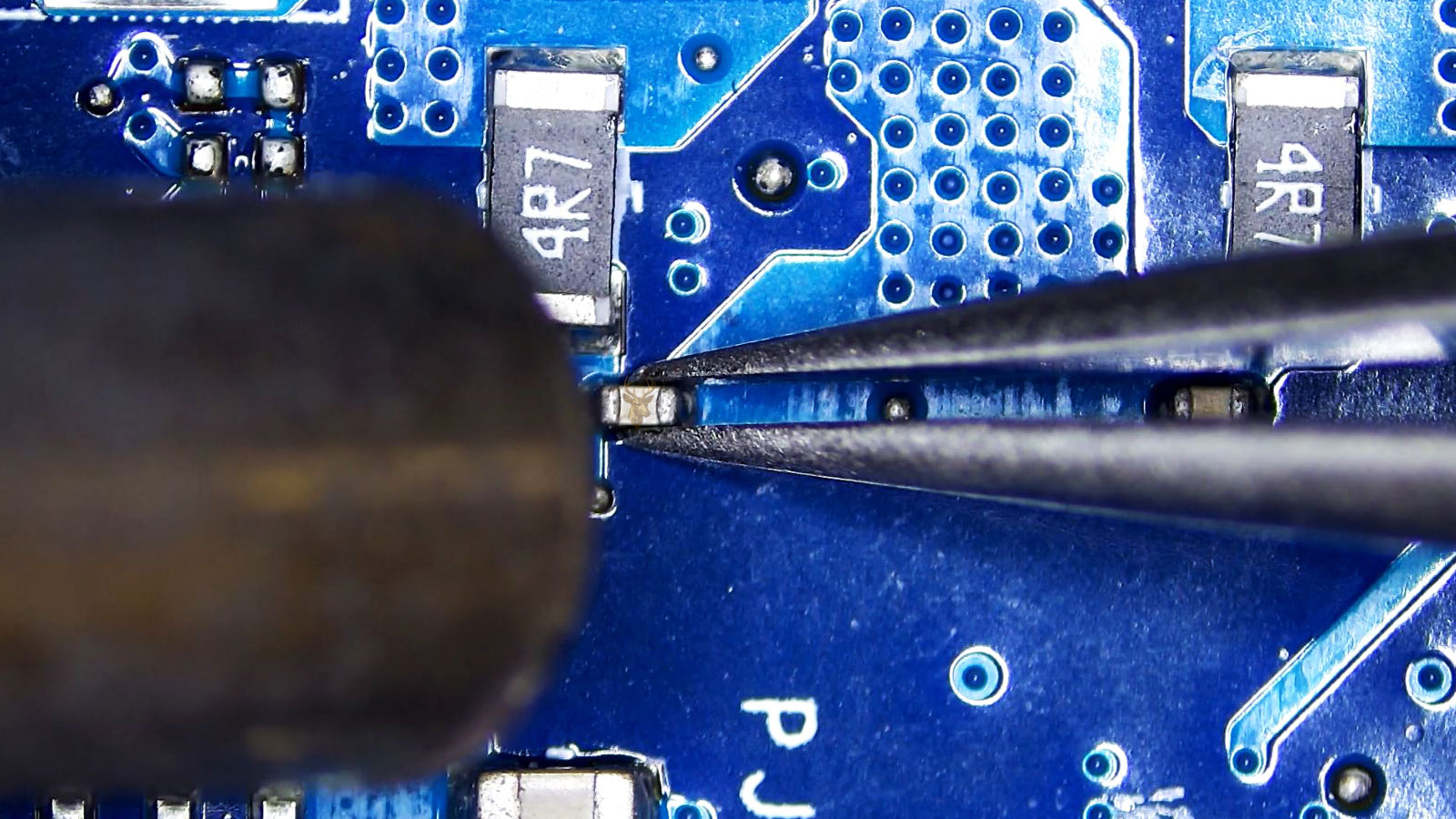
Faulty MOSFETs, charging controllers, shorted capacitors, damaged connectors, and other failed components can sometimes be repaired directly on the board. This work requires electrical testing, precise soldering, and confirmation that the surrounding circuit is operating correctly.
Unusual Behavior That Often Indicates a Repair Is Needed
Computers rarely fail without showing changes in their normal behavior first. Those changes may appear gradually over several weeks or develop immediately after a hardware fault, electrical event, accidental damage, or software failure. Paying attention to those patterns can help identify a problem before additional components are affected.
Although some symptoms seem minor at first, they often point to underlying issues that continue to worsen with regular use. Identifying the warning signs early provides a better opportunity to diagnose the cause before reliability is lost completely.
Battery Drains Much Faster Than Before
A battery that suddenly loses capacity, charges unusually slowly, or powers the computer for only a short period may indicate battery wear, charging circuit problems, or excessive background power consumption.
USB Devices Disconnect Randomly
Flash drives, external storage, keyboards, or other accessories that repeatedly disconnect may point to worn ports, damaged internal connections, motherboard faults, or unstable power delivery.
Keyboard or Touchpad Stops Responding
Input devices that work intermittently, ignore commands, or stop responding altogether may be affected by damaged cables, liquid exposure, controller faults, driver problems, or worn hardware.
Wireless Connections Keep Dropping
Frequent loss of Wi-Fi or Bluetooth connectivity can result from failing wireless hardware, damaged antenna connections, corrupted drivers, or communication problems within the operating system.
Programs Close Without Warning
Applications that terminate unexpectedly, display repeated errors, or refuse to open may indicate memory instability, storage corruption, damaged system files, or software conflicts requiring further diagnosis.
Time and Date Keep Resetting
A computer that repeatedly loses its clock settings after being powered off may have a depleted CMOS battery, firmware issue, motherboard fault, or another condition affecting system initialization.
Repair Work That Respects the Condition of the Equipment
Opening a computer for service requires more than access to the failed part. Screws, cables, shields, brackets, adhesive assemblies, and fragile connectors must be removed and reinstalled in the correct order so that unrelated areas are not disturbed during the work.
Special attention is also given to signs of earlier damage, missing hardware, corrosion, loose fittings, and modifications that may affect the repair. These observations help prevent hidden conditions from being overlooked while the reported problem is being addressed.
Clear Findings Before Additional Work Is Approved
Inspection may reveal that the visible symptom is connected to a separate fault elsewhere in the system. When that happens, the newly discovered condition can be explained before the scope of the work changes or another component is added to the repair.
Customers receive a clearer basis for deciding how to proceed when recommendations are tied to confirmed findings, part availability, compatibility, and the overall condition of the machine. This keeps the service focused on necessary work instead of unnecessary replacement.
Convenient Service for Computers That Should Not Be Left Unattended
Transporting a computer is not always as simple as carrying it out the door. Some systems remain connected to specialized equipment, multiple displays, external storage, business hardware, or workstations that are inconvenient to disconnect without preparation.
Pickup service provides an alternative for situations where moving the equipment is impractical or where the reported failure makes transportation more difficult. Planning the pickup in advance also helps ensure that any accessories related to the problem remain with the computer throughout the repair.
Items That May Be Helpful to Include
Some repairs benefit from having the original charger, docking station, external monitor adapter, security key, or other accessories that are directly related to the reported fault. Including those items can make it easier to reproduce intermittent problems that would otherwise be difficult to observe.
If the computer behaves differently depending on where it is used, noting those conditions before service begins can also provide valuable information during testing. Even small observations may help identify faults that appear only under specific circumstances.
Supporting Home Offices and Professional Workspaces
Many computers now support accounting records, customer communication, engineering software, creative projects, remote meetings, and other work that cannot remain interrupted for long. A structured repair process helps determine the most appropriate way to restore those systems while considering the importance of the information they contain.
Pickup arrangements are available for customers who prefer a more convenient service experience or who have equipment that is difficult to transport safely. Service recommendations are based on the condition of the computer and the work required to return it to reliable operation.
What to Know Before a Computer Is Examined
Repair decisions often depend on details that are not visible from the outside of the computer. The age of the equipment, the sequence of events before the failure, the availability of compatible parts, and the condition of internal components can all influence the work required.
These questions address situations that commonly arise before testing begins, especially when the problem is intermittent, the machine has been repaired before, or the customer is unsure which items should remain connected during service.
Can an intermittent problem be diagnosed if it does not happen constantly?
Yes, although intermittent faults may require additional testing and a detailed description of when they appear. Information about temperature, movement, battery level, connected accessories, or specific programs can help reproduce the condition and narrow the possible causes.
What happens if more than one failure is discovered?
Separate faults can appear during inspection, especially after liquid damage, electrical problems, or earlier unsuccessful repairs. Each finding can be reviewed individually so the customer understands which issue caused the original complaint and which additional conditions may also require attention.
Can a computer be serviced after another repair attempt?
Previous work does not automatically prevent further repair, but missing screws, damaged connectors, substituted parts, soldering changes, or incomplete assembly may affect the process. The machine must first be inspected to determine what was altered and whether those changes can be corrected.
Are original manufacturer parts always required?
The correct choice depends on availability, compatibility, condition, cost, and the type of component involved. Some repairs may require an exact original part, while others can use a properly matched replacement that meets the necessary electrical, physical, and performance requirements.
Can the computer be tested with my own monitor or accessory?
An accessory should be included when the failure appears only while that item is connected. A particular monitor, dock, adapter, cable, external drive, or peripheral may be necessary to determine whether the fault belongs to the computer, the accessory, or the connection between them.
What if the required replacement part is no longer manufactured?
Discontinued parts may sometimes be located through remaining inventory, verified used components, compatible revisions, or donor equipment. Availability and condition must be confirmed carefully before a repair is approved, particularly when the part is unique to a specific model.
Practical Solutions Backed by Careful Technical Evaluation
Every computer reaches a point where temporary workarounds are no longer enough. Persistent crashes, unreliable performance, damaged hardware, unexplained power loss, or repeated operating issues deserve a closer technical examination so the actual source of the problem can be identified instead of simply treating the symptoms.
Customers throughout The Roads can request professional assistance for computers that require troubleshooting, component replacement, board-level repair, system restoration, or other technical services. The goal is to provide an appropriate repair strategy based on the condition of the equipment, allowing informed decisions before any work moves forward.