
Computer Repair Sunshine Ranches
Technical Assistance for Sunshine Ranches
Large properties, private offices, workshops, and equestrian facilities throughout this rural part of western Broward often depend on computers for scheduling, accounting, security monitoring, equipment records, and communication. When an essential machine stops cooperating, arranging knowledgeable help can prevent a technical problem from interfering with responsibilities across the property.
Repair service is available for customers between Volunteer Road and Flamingo Road who need help with damaged hardware, electrical faults, aging components, unreliable storage, or equipment that has become difficult to use. The work is approached according to the construction of the computer and the role it performs rather than through a generic, one-solution-fits-all method.
Support That Fits a Spacious and Distinctive Community
The same area known for horse trails, riding rings, wooded acreage, and quiet roads also contains technology operating under very different conditions. Dust, heat, long operating hours, electrical interruptions, and equipment installed away from a traditional office can all affect how a computer behaves and what should be examined.
From a workstation near Sheridan Street to a system used close to the equestrian park on SW 148th Avenue, customers in Sunshine Ranches can request professional attention when dependable operation matters. The purpose is to understand the failure, preserve the functions that remain important, and establish a repair direction suited to the machine’s actual environment.
Repair Decisions Built on Evidence, Not Assumptions
A reliable repair plan begins by separating what the customer notices from what the computer is actually doing internally. Similar complaints can result from very different causes, so the machine should be observed, tested, and compared against normal operation before conclusions are drawn.
The evaluation follows a deliberate order that reduces guesswork and keeps the service focused on the affected area. Each stage contributes information that helps determine whether the machine needs adjustment, component work, replacement parts, or a broader repair strategy.
Reproduce the Complaint
The computer is operated under conditions related to the reported issue whenever possible. Reproducing the behavior helps confirm whether the problem is consistent, intermittent, load-related, temperature-sensitive, or connected to a specific accessory or function.
Trace the Affected System
Once the behavior is confirmed, the inspection follows the hardware or operating path associated with it. Power, cooling, storage, memory, video, input controls, and connected devices can be checked in a logical sequence to narrow the fault.
Validate the Repair
After the approved work is finished, the machine is tested again under conditions similar to those that produced the failure. This confirms whether the original behavior has been corrected and whether the repaired area remains stable during normal use.
Repair Options for Internal Components and Physical Failures
Modern computers combine compact electronics, delicate cabling, cooling hardware, input controls, and model-specific assemblies. When one of these areas fails, restoring dependable operation may require detailed disassembly, electrical testing, precision replacement work, or careful adjustment of surrounding components.
The services below address problems that cannot usually be corrected through basic settings or routine software changes. Each repair is considered according to the design of the machine, the severity of the fault, and the availability of parts that meet the correct technical specifications.
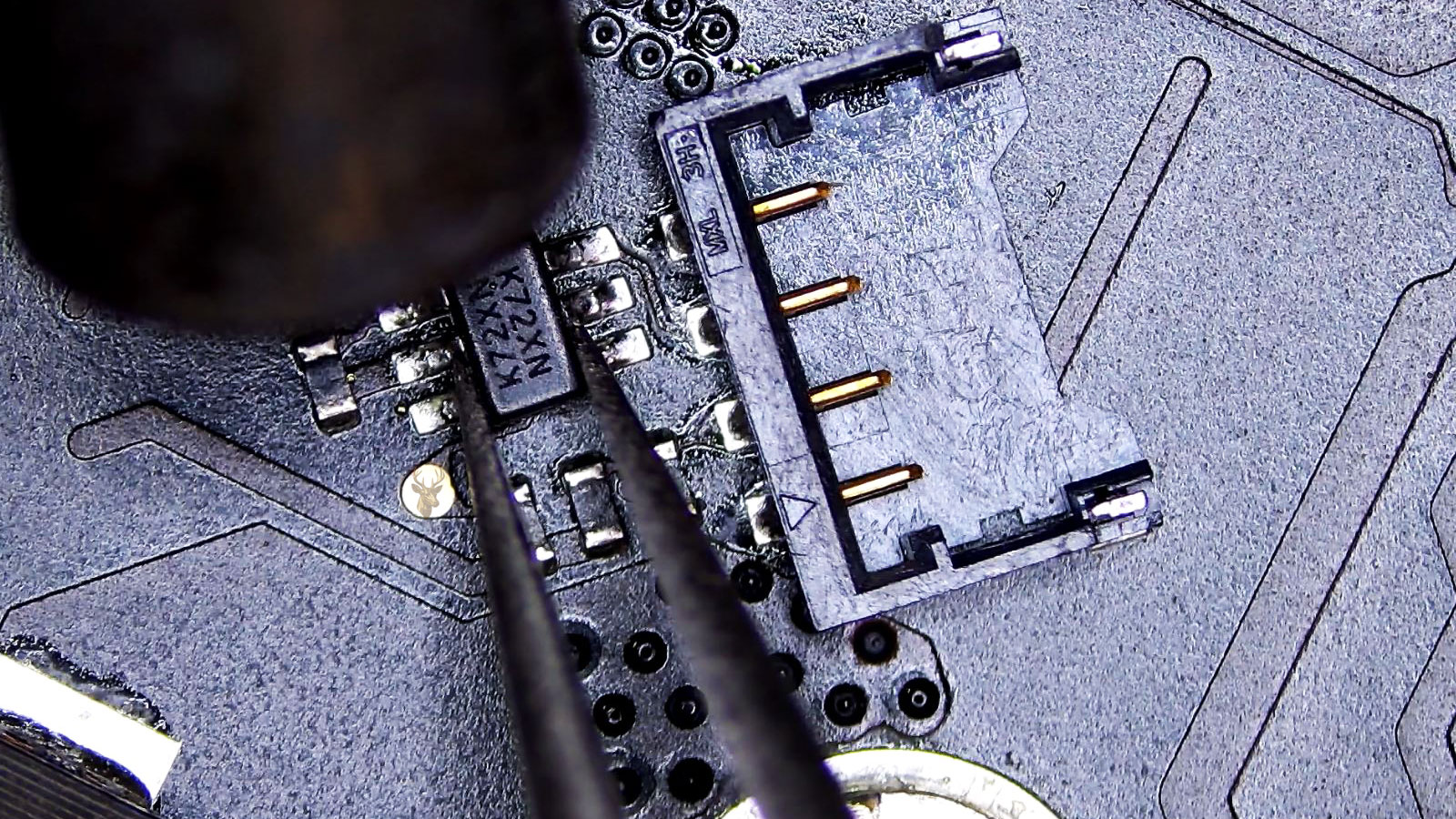
Motherboard Component Repair
Failed power circuits, damaged connectors, shorted components, and board-level communication faults can prevent a computer from starting or operating correctly. Component testing may identify whether the motherboard can be repaired without replacing the entire assembly.
Laptop Keyboard Replacement
Keys that stop responding, type repeatedly, remain physically stuck, or fail after a spill may require replacement of the keyboard or complete upper case. The correct procedure depends on whether the keyboard is removable or permanently integrated into the palm-rest assembly.
Cooling System Restoration
Worn fans, restricted heat sinks, deteriorated thermal material, and damaged airflow channels can cause severe temperature problems. Cooling service may involve internal cleaning, fan replacement, heat-sink inspection, and renewal of the materials that transfer heat away from critical processors.
Memory Testing and Replacement
Defective or incompatible memory can produce freezing, application crashes, corrupted files, failed startup checks, and unpredictable system behavior. Individual modules and motherboard slots can be tested to determine whether replacement, reconfiguration, or a capacity upgrade is appropriate.
Wi-Fi and Bluetooth Hardware Repair
Weak reception, disappearing wireless controls, unstable connections, or missing Bluetooth devices may involve the internal card, antenna leads, connectors, drivers, or motherboard interface. Inspection can determine whether the failure is electronic, physical, or related to signal routing inside the enclosure.
All-in-One Display Repair
An all-in-one computer with a dark screen, damaged panel, uneven backlighting, image distortion, or failed touch response may require service within the integrated display assembly. Testing helps distinguish between panel damage, video circuitry, internal cables, backlight components, and power-related faults.
Computer Changes That Deserve a Closer Technical Review
Not every computer failure begins with a completely unusable machine. Some problems first appear through irregular startup behavior, physical changes to the enclosure, recurring system crashes, or functions that become unreliable only after the computer has been running for a while.
These symptoms can provide useful clues about electrical stability, battery condition, firmware communication, internal memory, or connected hardware. Investigating them before the machine deteriorates further may reduce the risk of a more extensive failure.
Blue Screens With Repeated Stop Codes
Recurring blue-screen errors can be associated with unstable memory, defective hardware, corrupted system files, storage-controller trouble, or communication failures between installed components. Recording the displayed code can provide a useful starting point for diagnosis.
Power Button Requires Several Attempts
A machine that responds only after repeated presses, long delays, or movement of the power connection may have a worn switch, damaged button board, unstable power circuit, loose internal cable, or another fault preventing reliable startup.
Case Separation or a Bulging Trackpad
A raised keyboard, lifted palm rest, uneven bottom cover, or trackpad that becomes difficult to click may indicate an expanding battery. Continued use can place pressure on nearby components and should be avoided until the battery area is inspected.
Startup Beeps or Blinking Status Lights
Repeating beep patterns or diagnostic light sequences often appear when the computer cannot complete its initial hardware checks. These codes may point toward memory, processor, graphics, motherboard, or power-related conditions.
Crackling Audio or Missing Sound Devices
Distorted sound, intermittent speakers, a headphone jack that works unpredictably, or audio hardware that disappears from the operating system may involve damaged speakers, internal wiring, connectors, drivers, or circuitry on the main board.
Failure to Wake From Sleep
A computer that remains unresponsive after sleep, returns with missing hardware, or requires a forced shutdown to recover may have firmware conflicts, power-management faults, unstable memory, graphics issues, or problems communicating with connected devices.
Thoughtful Handling for Equipment With Different Designs and Conditions
Before a computer is opened, its exterior condition, attached parts, and visible signs of wear can be reviewed so the service begins with an accurate understanding of the machine. This is especially important when a device already has loose panels, damaged mounting points, missing screws, or evidence of earlier repair work.
Internal components are handled with attention to their placement, fastening method, cable routing, and sensitivity to static electricity or physical pressure. Organized disassembly helps protect surrounding parts and supports correct reassembly after the requested work has been completed.
What the Service May Reveal Beyond the Original Complaint
Some defects remain hidden until the enclosure is opened or the machine is tested under operating conditions. Corrosion, cracked mounts, overheated connectors, worn cables, and previous modifications may affect the repair even when they were not visible during the initial description of the problem.
Customers can expect important findings to be separated from unrelated wear so the recommended work remains relevant to the requested service. When an additional issue changes the repair direction, the situation can be reviewed before further action is taken.
Computer Service Coordinated With Access, Distance, and Equipment Size
Reaching a computer for pickup may involve long driveways, gated entrances, detached offices, workshops, or equipment located in a separate part of the property. Sharing those details before the appointment helps the handoff proceed efficiently and reduces unnecessary movement of sensitive equipment.
Pickup arrangements can be adapted to the size and condition of the machine, whether it is a compact notebook, a large desktop tower, a complete workstation, or equipment that should remain upright during transportation. Advance planning also helps determine whether a second person, additional packaging, or special handling may be appropriate.
Information That Helps Before Arrival
Gate instructions, parking limitations, building locations, pets on the property, and the safest route to the equipment should be communicated when the pickup is scheduled. A working telephone number is also important in case access conditions change or additional directions are needed.
The computer should be easy to identify, and any removable media or unrelated accessories should be separated beforehand. When several machines are present, a note identifying the affected unit and its reported problem can help prevent confusion during collection.
Protecting the Equipment During Transfer and Return
Towers with glass panels, large monitors, all-in-one systems, and computers with loose or damaged enclosures may require additional support during transportation. Their condition can be noted before removal so vulnerable areas receive appropriate attention while the equipment is being moved.
Once service is complete, the return can be arranged with the same attention to access and placement. Customers can confirm where the machine should be delivered and whether it must be positioned near a desk, power source, or existing group of connected devices.
Practical Answers for Planning a Repair Visit
Preparing for computer service is easier when customers know what information, equipment, and access details may be useful. The condition of the machine, where it is installed, and whether the problem occurs consistently can all affect how the service should be approached.
The questions below address situations that often require additional planning before pickup, inspection, or repair. They are intended to help customers describe the problem accurately and avoid leaving out details that may be important during testing.
Can an intermittent computer problem still be diagnosed?
Yes, although problems that appear only occasionally may require more observation and repeated testing. Details about when the issue occurs, how long the computer has been running, which programs are open, and whether any accessories are connected can help reproduce the behavior.
Can dust, heat, or electrical interruptions damage a computer?
These conditions can contribute to clogged cooling systems, unstable operation, damaged power components, premature drive wear, and unexpected shutdowns. Computers used in workshops, garages, detached offices, or areas with inconsistent power may benefit from inspection and preventive maintenance.
Do I need to disconnect the entire computer setup before pickup?
The computer should be disconnected from power and unrelated accessories whenever possible. If the issue involves a particular monitor, dock, adapter, cable, or external device, that item should be identified so it can be included when necessary for testing.
Can upgrades be completed during the same service?
In many cases, a repair can be combined with additional memory, improved storage, cooling work, or another compatible upgrade. The machine should first be evaluated to confirm that the proposed improvement is supported and worthwhile for its current condition.
Can a computer be serviced if it no longer turns on?
Yes. A computer that shows no signs of power can still be examined for adapter failure, damaged charging hardware, power-supply trouble, shorted components, battery faults, or motherboard problems. The absence of startup does not prevent a physical and electrical evaluation.
Can printers, monitors, and other connected equipment be checked too?
Related equipment can be considered when it is directly connected to the reported problem. A display issue, printing failure, docking problem, or unstable external drive may originate from the accessory, the connecting cable, the computer port, or the operating system rather than from a single obvious source.
A Practical Next Step When a Computer Becomes Unreliable
Computers often remain in use long after the first warning signs appear, especially when they hold important records, support daily operations, or are tied to a larger setup. Addressing the problem before the machine fails completely can make the service more manageable and may preserve options that disappear after additional damage occurs.
Professional assistance can be arranged for equipment affected by physical damage, unstable performance, internal component failure, power problems, or changing technology needs. The purpose is to determine what the machine requires, explain the available direction clearly, and provide service that respects both the value of the equipment and the work connected to it.