
Computer Repair Suniland
Keeping Essential Computers Working in Suniland
Daily activity around the South Dixie Highway corridor moves between neighborhood homes, professional offices, stores, restaurants, and long-established local businesses. A computer failure in this setting can interrupt billing, customer records, remote meetings, class assignments, property management, or access to files that cannot simply be replaced.
Technical service is available for machines affected by electrical faults, broken ports, failed drives, damaged housings, cooling defects, corrupted operating systems, and unreliable internal components. Each device can be examined according to its actual behavior so that the work addresses the source of the failure rather than applying a temporary correction to the visible symptom.
Serving a Community Built Around Activity and Convenience
Suniland Park remains a recognizable gathering place with Andre Dawson Field, Howard Palmetto Hall of Fame Field, batting cages, basketball courts, a playground, a gazebo Wi-Fi spot, and Pawcrest Park. Nearby, the shopping center at US-1 and SW 112th Street gives residents direct access to everyday retail and professional services along one of the area’s principal commercial routes.
Residents and nearby workplaces can seek help when a system becomes too unstable for routine use, suffers physical damage, or holds information that requires cautious handling. The service approach emphasizes accurate testing, straightforward recommendations, and repair choices suited to the equipment’s age, condition, purpose, and long-term usefulness.
A Repair Process Designed to Reduce Guesswork
Effective service begins by documenting the condition of the computer before any repair decision is made. Power behavior, physical damage, operating-system response, connected equipment, recent changes, and the customer’s main concerns all help establish a useful starting point for the evaluation.
The device can then move through focused testing, repair planning, and final verification in a controlled order. This approach helps uncover related faults, protects against unnecessary part replacement, and makes it easier to determine whether the completed work has corrected the original problem under normal operating conditions.
Record the Device Condition
The computer is reviewed for visible damage, missing parts, loose connections, prior repair work, and any accessories linked to the reported failure. The customer’s description is compared with the device’s current behavior so important details are not lost during intake.
Isolate the Fault
Testing is directed toward the systems most likely to produce the symptoms, including power delivery, storage health, memory stability, temperature control, display output, ports, and operating-system integrity. The objective is to narrow the failure to a specific area before corrective work is proposed.
Verify the Completed Work
After the approved repair is performed, the computer is checked again for startup consistency, charging response, thermal behavior, file access, connectivity, and the function originally affected. Final testing helps confirm that the system is stable enough to return to regular use.
Technical Services That Go Beyond Basic Computer Maintenance
Some failures cannot be corrected with routine software tools or a simple component swap. Liquid exposure, torn connectors, damaged input assemblies, graphics faults, and intermittent board problems often require detailed inspection, controlled disassembly, precision soldering, and testing at the circuit or subsystem level.
The services below address difficult repair situations found in portable computers, business workstations, custom desktops, and high-performance systems. Each category focuses on restoring essential functions while also checking for related damage that could affect reliability after the immediate fault has been corrected.
Liquid Damage and Corrosion Treatment
Spills can leave conductive residue beneath shields, connectors, chips, and other areas that are not visible from the outside. Service may include internal inspection, board cleaning, corrosion removal, damaged-part identification, and electrical testing before the computer is considered safe to power again.
Port and Connector Microsoldering
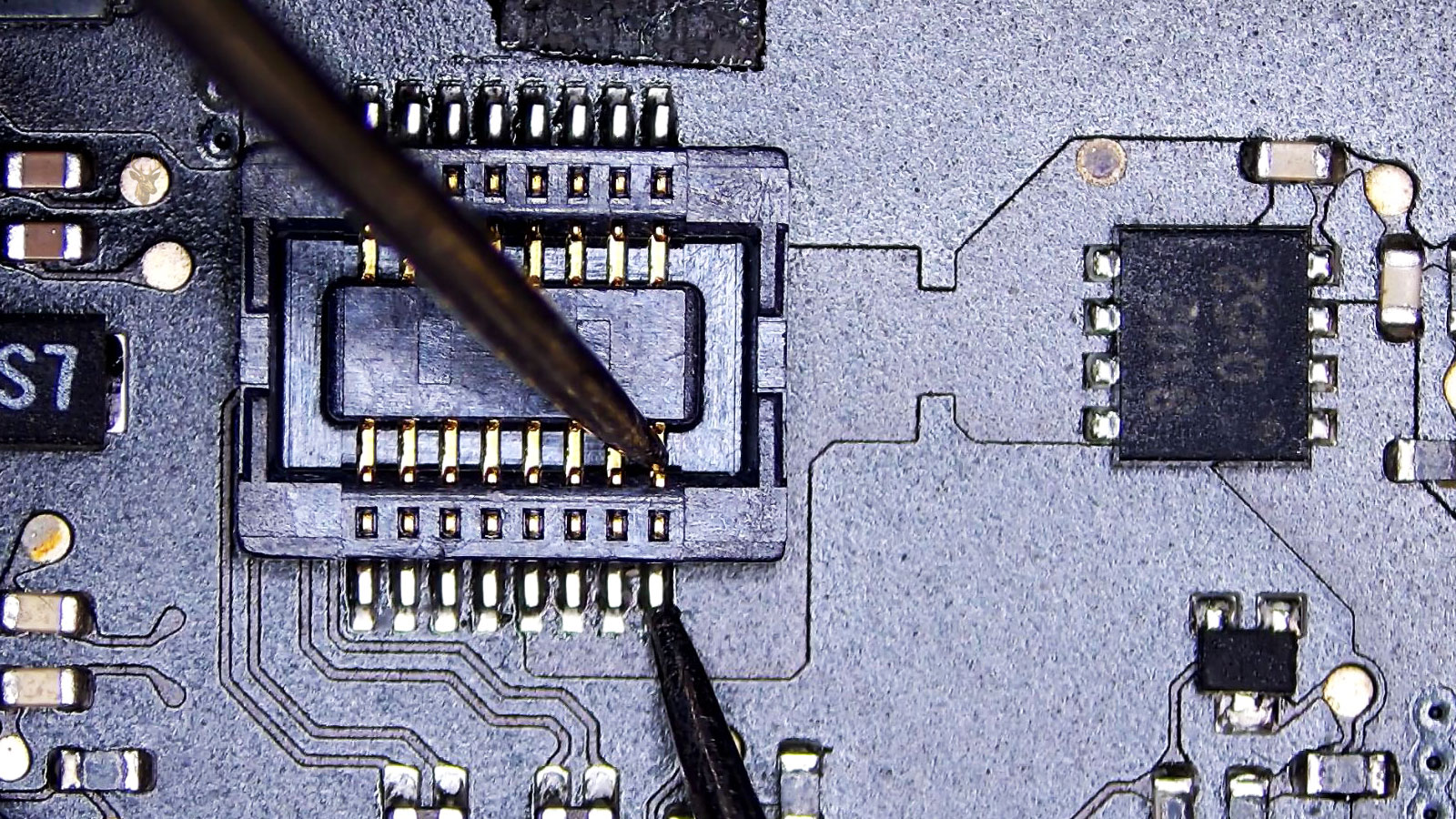
Loose USB-C sockets, damaged HDMI ports, broken audio jacks, torn ribbon connectors, and lifted solder pads may require precision board work rather than replacement of the entire assembly. Connections can be examined under magnification and rebuilt when the surrounding circuitry remains repairable.
Keyboard, Touchpad, and Input Repair
Unresponsive keys, repeated keystrokes, erratic cursor movement, failed click mechanisms, and damaged palm-rest assemblies can interfere with basic operation. Repair may involve replacing the keyboard, touchpad, top case, internal cable, controller connection, or another part responsible for the input failure.
Graphics and Video Output Diagnostics
Distorted images, artifacts, external-monitor failure, crashes during graphics use, and systems that power on without usable video may involve the graphics processor, video memory, output circuitry, firmware, or supporting power rails. Testing helps distinguish a board fault from a panel, cable, or software-related problem.
Custom Desktop and Gaming System Repair
High-performance computers can develop faults involving graphics cards, power supplies, liquid-cooling equipment, motherboards, memory channels, cabling, or component compatibility. Service can include fault isolation, part testing, internal correction, and load verification under conditions closer to actual gaming or production use.
Firmware, BIOS, and Embedded Controller Service
A corrupted BIOS, failed firmware update, damaged configuration data, or malfunctioning embedded controller can leave a computer unable to initialize correctly even when its major components remain functional. Recovery may involve firmware reprogramming, reset procedures, chip-level work, and verification of startup and hardware detection.
Small Changes That Can Signal a Larger Technical Problem
Not every computer failure begins with a system that refuses to start. Many problems develop gradually through changes in performance, unusual hardware behavior, or repeated warning signs that become more noticeable over time. Recognizing these changes early can reduce the likelihood of additional damage and improve the chances of a successful repair.
The symptoms below often point to underlying hardware or system conditions that deserve closer attention. Although no single warning confirms a specific fault, recurring issues should be evaluated before they affect reliability, productivity, or important stored information.
Programs Begin Closing Without Warning
Applications that suddenly close, display unexpected errors, or stop responding during normal work may indicate unstable memory, storage communication problems, operating-system corruption, or failing hardware that cannot consistently support active software.
The Battery Drains Much Faster Than Before
A noticeable reduction in battery life, unexpected percentage drops, or rapid discharge while performing light tasks can point to battery wear, charging-system issues, background hardware faults, or excessive power consumption caused by another failing component.
USB Devices Disconnect Randomly
External drives, keyboards, printers, or other accessories that repeatedly disconnect may suggest damaged ports, unstable motherboard connections, controller faults, power-delivery issues, or physical wear inside the connector itself.
Wireless Connections Become Unstable
Frequent Wi-Fi dropouts, unreliable Bluetooth devices, or difficulty detecting available networks may result from wireless card failure, antenna damage, driver corruption, loose internal connections, or other communication-related hardware problems.
The Cooling Fan Runs at Full Speed Constantly
A fan that remains unusually loud even during light use can indicate blocked airflow, deteriorating thermal performance, excessive processor load, sensor problems, or internal conditions that require inspection before overheating causes additional failures.
Strange Odors or Excessive Heat
A burning smell, unusually hot surfaces, or heat concentrated around the charging area, vents, or keyboard should never be ignored. These symptoms may indicate electrical failure, damaged components, or overheating conditions that require the computer to be inspected before further use.
Every Device Is Treated According to Its Condition and Risk
A computer with liquid exposure, structural damage, electrical instability, or a failing drive requires a different approach from a system with a routine performance issue. Intake decisions can be adjusted to reduce unnecessary power attempts, prevent avoidable stress on damaged parts, and preserve access to important information whenever possible.
Disassembly, component testing, firmware work, cleaning, and replacement procedures should be carried out in a controlled sequence. Keeping the work organized makes it easier to trace changes, identify related faults, and avoid introducing new problems while the original failure is being corrected.
Clear Communication at the Important Decision Points
Customers should receive an understandable explanation when testing changes the direction of the repair, when additional damage is discovered, or when the cost and condition of the equipment affect the available choices. Technical findings can be translated into practical options without overwhelming the customer with unnecessary terminology.
The completed system should also be reviewed for the functions most closely connected to the work performed. Depending on the repair, this may include port operation, battery behavior, keyboard response, graphics output, firmware detection, sustained workload, or communication with external devices before the computer is released.
Pickup Service for Computers That Are Difficult to Move or Disconnect
Transporting computer equipment is not always as simple as carrying in a laptop. Large desktops, all-in-one systems, business workstations, and machines connected to several peripherals may require additional preparation, especially when the equipment is unstable, physically damaged, or installed in a working office environment.
Collection can be coordinated after the device type, location, failure symptoms, and required accessories are identified. This preliminary information helps determine what should travel with the computer and whether any special precautions are appropriate before it is removed from the home or workplace.
What Should Remain With the System
Power adapters, proprietary chargers, external graphics equipment, docking stations, and accessories directly connected to the malfunction should normally accompany the device. Keeping the relevant equipment together allows the original setup to be reproduced more accurately during evaluation.
Customers can also provide a brief description of when the failure occurs, which applications or connections are involved, and whether the machine contains information that requires special attention. These details can prevent unnecessary testing and help preserve the conditions under which the problem appears.
Coverage Around US-1 and Nearby Residential Streets
Service coordination may extend through the South Dixie Highway corridor near SW 112th Street, surrounding residential blocks, and nearby sections of Pinecrest. This area includes homes, professional offices, retail spaces, and small businesses where computer equipment may be tied directly to daily operations.
Pickup availability can vary according to the exact address, equipment size, access conditions, and scheduling needs. Once those details are reviewed, a suitable collection and return arrangement can be discussed without making premature assumptions about the diagnosis or the work the computer may require.
What to Know Before Scheduling Technical Service
Customers often need guidance before deciding how to handle a damaged or unreliable computer. Questions may involve liquid exposure, intermittent faults, replacement parts, business equipment, repair timing, or whether a system can be tested without risking additional damage.
The answers below explain several practical parts of the service process. The exact recommendation will still depend on the computer’s design, condition, repair history, and the results of hands-on testing.
What should I do immediately after liquid reaches the computer?
Disconnect external power and avoid repeatedly trying to start the device. Continued power attempts can allow moisture or conductive residue to damage additional circuits. The computer should be inspected internally so affected areas can be identified before corrosion spreads or electrical testing begins.
Can an intermittent problem be diagnosed if it does not happen constantly?
Intermittent faults can often be investigated by reviewing the conditions that trigger them, such as heat, movement, charging, graphics load, or a particular accessory. Detailed notes, photographs of error messages, and the original charger or peripheral can make the behavior easier to reproduce during testing.
Do replacement parts need to match the original specifications?
Compatibility should be confirmed before installation. Screens, batteries, keyboards, cooling parts, storage devices, power supplies, and motherboard components can differ by model revision even when they look similar. Correct specifications help protect fit, performance, electrical safety, and long-term reliability.
Can you service computers used in an office or small business?
Yes. Workstations, office desktops, laptops, and systems connected to specialized peripherals can be evaluated. It is helpful to explain which programs, network resources, printers, external drives, or business devices are essential so the repair and final testing reflect the computer’s actual working environment.
Will I be told if additional damage is found during disassembly?
Unexpected findings can change the repair plan, especially when hidden corrosion, broken mounts, torn cables, burned components, or previous repair damage becomes visible. Those findings should be explained before unrelated or additional work is performed so the customer can make an informed decision.
How do you test a computer after a specialized repair?
Testing should match the function that was repaired. A port may be checked with compatible devices, a graphics repair under sustained display load, a cooling repair through temperature monitoring, and firmware work through repeated startup and hardware detection. The purpose is to confirm stable operation beyond a single successful power-on.
Technical Help for Computers That Can No Longer Be Trusted
A computer that crashes unpredictably, loses connections, develops physical damage, or begins showing electrical and performance problems can quickly become a risk to daily work and stored information. Homes and businesses in Suniland can request professional assistance for systems that need detailed diagnostics, specialized hardware work, component-level attention, or a careful plan for recovery.
Service can begin by explaining what the computer is doing, how the problem has changed, and which files or functions are most important. From there, the equipment can be evaluated and the available options presented clearly, whether the appropriate next step involves repair, replacement parts, data protection, pickup coordination, or an honest recommendation that further work would not be practical.