
Computer Repair Shenandoah
Computer Repair for Homes, Apartments, Offices, and Calle Ocho Area Workstations
This area sits in a busy central Miami pocket between Calle Ocho and Coral Way, with residential streets, older homes, apartment buildings, local offices, and daily routes along SW 12th Avenue, SW 17th Avenue, SW 22nd Avenue, and SW 27th Avenue. Computers in this area are often used for remote work, school, billing, design files, family records, business communication, and devices connected to printers, cameras, external storage, or office equipment.
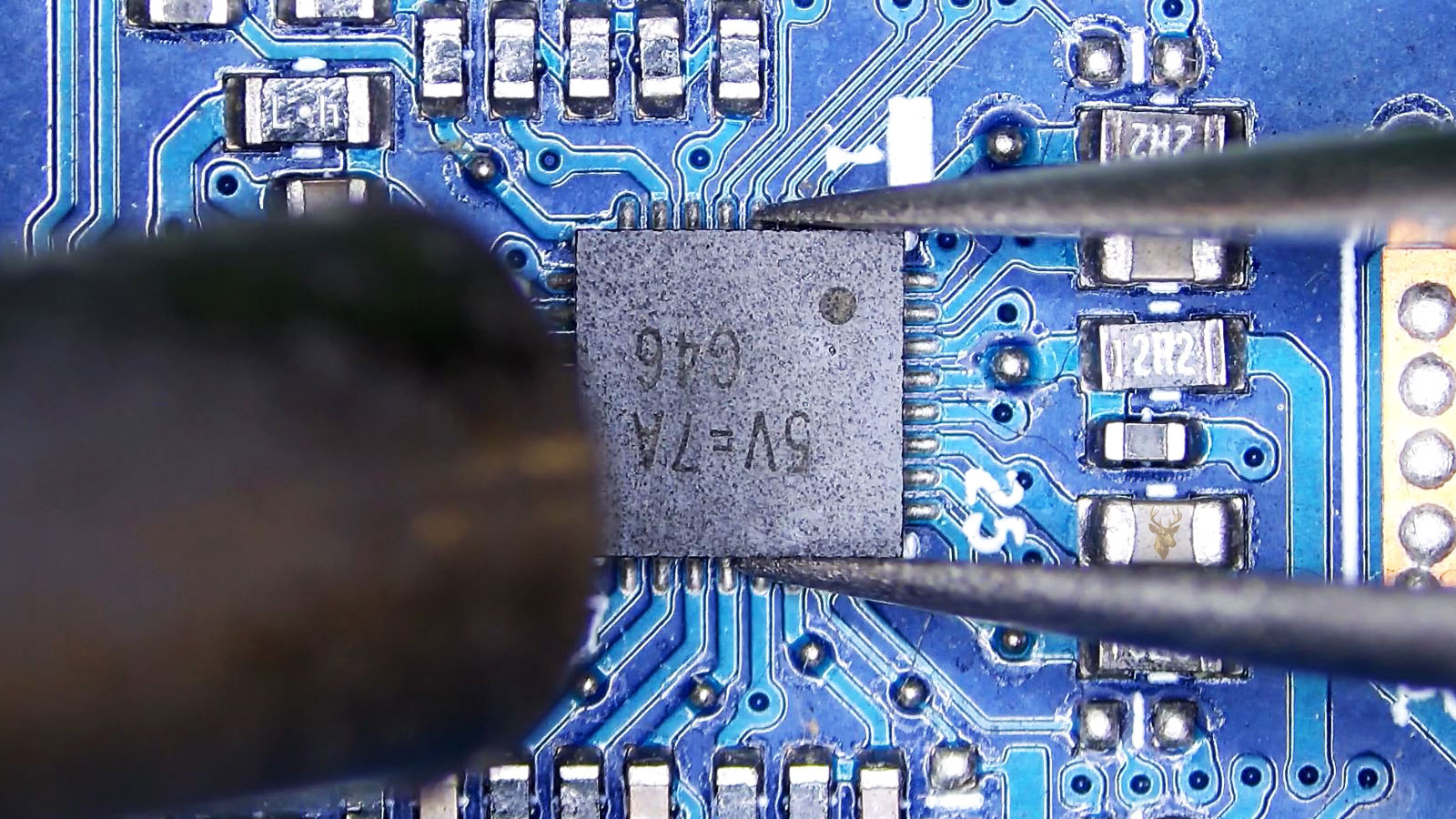
We handle computers with hardware problems that need real inspection, not guesswork. Laptops with charging damage, desktops that fail during startup, MacBooks with board or liquid-related faults, all-in-ones with internal display trouble, broken ports, failing drives, noisy cooling systems, and computers that shut down without warning can be tested at the part level so the damaged section is found before repair work begins.
Service Near Shenandoah Park, SW 21st Avenue, Coral Way, and the SW 8th Street Corridor
Shenandoah Park on SW 21st Avenue, the Coral Way corridor, Calle Ocho, and the surrounding residential blocks create a mix of household computers, small-business machines, student laptops, older desktops, and compact systems that may have been repaired, upgraded, moved, or patched together over the years. Those machines can develop problems that are physical, electrical, or board-related even when the first symptom looks simple.
A proper repair can start with power behavior, startup response, screen output, storage health, charging stability, heat buildup, port movement, and signs of previous damage. From there, the machine can be checked for component failure, cracked connections, damaged cables, shorted areas, weakened batteries, loose internal parts, or storage devices that need attention before more files are placed at risk.
From the First Symptom to a Bench-Tested Repair for Local Computers
Computers can come from older homes near Coral Way, apartments close to Calle Ocho, small offices, student desks, and family work areas where one machine may handle many different jobs. Before parts are replaced, the symptom needs to be matched with the way the computer is actually failing, whether the issue is startup trouble, charging loss, display failure, drive errors, overheating, port damage, or an internal board fault.
Identify What Changed Before the Failure Started
The first review looks at what happened before the computer became unreliable. A recent move, power surge, drop, spill, update, new monitor, replacement charger, added drive, or repeated overheating event can point toward the area that should be tested first instead of treating the machine like every problem is the same.
Open the Machine Only Where the Evidence Leads
Once the likely failure area is clear, the computer can be opened with a focused purpose. That may mean checking a laptop charging jack, inspecting a MacBook logic board, testing a desktop power section, removing an all-in-one display safely, reviewing a damaged port, or protecting a drive before more stress is placed on it.
Test the Repair Before the Computer Goes Back Into Use
After the damaged part is corrected, the computer needs more than a quick power-on check. Startup, charging, screen behavior, storage access, cooling, keyboard response, ports, and overall stability should be reviewed long enough to make sure the original failure is not still hiding behind a temporary good result.
Serious Repair Work for Laptops, Desktops, Macs, Gaming Towers, Circuit Boards, Displays, Storage, and Internal Connections
Computers in this area can range from older household desktops and student laptops to business machines, MacBooks, custom towers, and compact systems used every day near Coral Way, Calle Ocho, and the surrounding Miami streets. A real repair shop needs to handle internal damage, electrical failure, board faults, broken connectors, heat problems, display trouble, storage risk, and parts that require careful removal instead of treating every machine like a basic software problem.
No-Power Board Testing and Shorted Component Isolation
Computers that show no lights, no fan spin, no charging response, or instant shutoff can have faults below the obvious parts. Service can include checking power input, standby voltage, shorted capacitors, damaged ICs, blown protection components, corroded board areas, and related circuits before deciding whether the board can be repaired or needs replacement.
BIOS, UEFI, Boot Firmware, and Startup Recovery Service
A system that powers on but never completes hardware initialization may need firmware-level attention. Service can include BIOS recovery, UEFI setting correction, CMOS battery replacement, firmware chip testing, boot configuration repair, secure-boot review, and motherboard startup checks when the computer freezes before reaching the operating system.
Laptop Screen, Backlight, Camera Cable, and Lid Wiring Repair
Laptop display problems can involve more than the glass panel. Service can cover cracked screens, dim images, flickering backlights, damaged eDP cables, webcam wiring, antenna routing, lid sensor problems, and internal display connections that fail when the lid moves or after the computer has been dropped.
Gaming PC Cooling, GPU Seating, PCIe Slot, and Power Load Service
Gaming and performance desktops can become unstable when heat, power demand, graphics hardware, or expansion slots are not working correctly. Service can include GPU reseating, PCIe inspection, thermal paste replacement, fan curve review, AIO cooler checks, PSU testing, cable correction, and stability testing after the tower is repaired.
USB, HDMI, Ethernet, Audio Jack, and Power Button Board Repair
Damaged external connections can stop a computer from working with monitors, networks, speakers, chargers, keyboards, or other equipment. Service can include port replacement, solder joint repair, daughterboard service, front-panel button repair, broken jack removal, connector cleaning, and testing with the accessories that failed on the customer’s setup.
SSD Upgrades, Drive Cloning, File Transfer, and Failing Storage Replacement
Storage service can improve speed, recover access, or protect important files when a computer is slowing down, clicking, freezing, or running out of space. Service can include SSD installation, drive health testing, operating-system migration, file transfer, clone attempts, cable checks, and replacement of failing drives before the data becomes harder to reach.
Symptoms That Can Point to Board Damage, Firmware Trouble, Screen Wiring Failure, Heat Stress, Broken Ports, or Failing Storage
A computer in the area may keep turning on even while the hardware is starting to fail. Warning signs can show up during startup, charging, video output, drive access, fan activity, port use, or daily work near Coral Way, Calle Ocho, and the surrounding Miami neighborhood streets. These symptoms should be checked before repeated restarts, forced shutdowns, or continued use create deeper damage.
The Power Button Lights Up, Then the Computer Immediately Cuts Off
A brief flash of power followed by shutdown can point to a shorted board component, damaged charging circuit, bad power rail, failing adapter input, or protection circuit stopping the machine before startup. Repeated attempts can make the fault harder to isolate if the same circuit is being stressed again and again.
The Computer Freezes Before the Keyboard or Mouse Responds
A system that locks before input devices work may be stopping during firmware, chipset, USB controller, memory, or storage initialization. That type of freeze can happen before Windows or macOS is involved, which means the hardware and startup firmware need to be checked before assuming the operating system is the cause.
The Laptop Screen Changes Color When the Lid Is Moved
A display that shifts colors, flashes, tears, or shows strange blocks when the lid angle changes may have a damaged screen cable, loose panel connection, cracked lid wiring, failing backlight path, or pressure damage near the hinge. The screen can fail completely if the cable continues to rub or pull.
The Tower Gets Hot Near the Graphics Card or Power Supply
Heat around a graphics card, power supply, rear exhaust area, or motherboard expansion slot can come from blocked airflow, weak fans, overloaded power delivery, poor cable routing, dried thermal compound, or a component pulling more current than it should. Heat in those areas should be checked before the system begins shutting down under heavier work.
A USB, HDMI, Ethernet, or Audio Port Feels Loose or Intermittent
Ports that wiggle, disconnect, spark, lose sound, drop network access, or stop sending video can have cracked solder joints, broken inner pins, damaged daughterboards, or board strain behind the connector. Continued use can tear pads from the board or damage the cable attached to the port.
The Drive Disappears After the Computer Warms Up
A storage drive that appears at first and then vanishes after the computer has been running may have a failing SSD controller, weak hard drive electronics, damaged cable, overheating drive slot, or motherboard storage-channel issue. That symptom should be treated carefully because files may become harder to recover after more heat cycles.
Careful Handling for Computers With Startup Lockups, Sudden Power Loss, Damaged Ports, Heat Trouble, and Drive Dropouts
Computers brought from local homes, apartments, and small offices may arrive with symptoms that can change once cables are unplugged or the machine cools down. A desktop may only fail after warming up, a laptop may react differently when the screen is moved, a port may work only with pressure, or a drive may appear briefly before disappearing again.
Intake should preserve those clues before the computer is taken apart. Notes about power behavior, screen movement, fan noise, connected devices, startup freezes, loose ports, recent drops, heat buildup, and storage warnings help guide the repair toward the damaged area instead of wasting time on unrelated parts.
What to Expect When the Problem Is Intermittent, Heat-Related, or Hidden Inside the Machine
Some failures do not appear every time the computer is turned on. A customer may see the machine work for ten minutes, lose a drive after warming up, freeze before input devices respond, flicker when the lid moves, or shut off only when graphics or storage activity increases.
Service can include controlled startup testing, internal visual inspection, connector checks, board-area testing, cooling review, storage health evaluation, cable tracing, port inspection, and part-level confirmation before replacement. That approach gives the repair a clear direction while reducing the chance of added damage during disassembly.
Pickup Help for Computers That Should Not Be Carried, Unplugged, or Restarted Carelessly
Some computer problems need careful movement before repair begins. A desktop tower may be heavy or connected to several devices, a laptop may have a loose screen assembly, an all-in-one may need glass protection, and a failing storage device may need to stay with the cables or adapter used when the warning appeared.
Pickup Coverage Around Calle Ocho, Coral Way, Shenandoah Park, SW 17th Avenue, and SW 22nd Avenue
Pickup can be arranged for residents and small businesses near SW 8th Street, Coral Way, SW 21st Avenue, SW 17th Avenue, SW 22nd Avenue, and the surrounding central Miami streets. This is useful when the computer is too fragile, too connected, too heavy, or too unstable to move like a normal working device.
Related accessories can be included when they help reproduce the failure. A charger, dock, power cord, display adapter, monitor cable, external drive, USB hub, keyboard, mouse, or network adapter may be part of the problem if the computer only fails when that item is connected.
Safer Transport for Systems With Heat Failures, Loose Ports, Screen Movement, Startup Freezes, or Drive Warnings
A computer that shuts off after warming up, freezes before input devices respond, loses the display when the lid moves, or drops a drive after several minutes should be handled with the original symptom in mind. Keeping the machine and the related parts together can make the repair review more accurate.
Once the system is on the bench, testing can begin with the condition that caused the failure instead of starting from a blank guess. That can mean checking startup behavior, thermal response, storage detection, port contact, display wiring, power input, board activity, and the connected equipment that may have exposed the problem.
Questions About Sudden Shutoffs, Frozen Startup Screens, Moving Laptop Displays, Hot Towers, Loose Connections, and Drives That Drop Out
Computer problems can begin as small warnings before the machine becomes harder to repair. A system may blink on and shut down, stop before input devices work, lose video when the lid moves, build heat near major components, disconnect through a damaged port, or lose access to storage after running for a while. These answers explain when those symptoms should be checked before more use creates a bigger hardware failure.
What does it mean when a computer turns on for one second and then shuts off?
A fast shutoff can happen when the board detects a short, unstable voltage, damaged power input, failed charging section, weak power supply, or a component pulling current where it should not. The machine should be tested before repeated power attempts make the damaged circuit harder to repair.
Why does my computer stop before the keyboard or mouse starts working?
When the system freezes before input devices respond, the failure may be happening during early hardware detection. Memory, firmware, USB control, storage communication, or motherboard initialization can all stop the computer before the operating system has a chance to load.
Can a laptop display problem come from the lid instead of the screen itself?
Yes. A laptop screen that changes color, flickers, or cuts in and out when the lid moves may have a damaged display cable, loose internal connector, cracked hinge area, strained webcam wiring, or pressure damage inside the lid assembly. The screen panel should not be replaced blindly without checking the wiring path.
Should I keep using a desktop tower if one area feels unusually hot?
Unusual heat near the graphics card, power supply, motherboard, or rear exhaust area can point to airflow restriction, failing fans, dried thermal compound, overloaded power delivery, or a component under stress. Continued use can lead to shutdowns, display loss, board damage, or storage errors.
Can loose ports be repaired, or does the whole computer need replacement?
Many loose ports can be repaired if the damage is caught early. USB, HDMI, Ethernet, audio, and charging connections may need solder repair, port replacement, daughterboard service, or internal connector work. Waiting too long can damage board pads or the cable attached to the failing port.
Why does my SSD or hard drive disappear after the computer has been running?
A drive that vanishes after warm-up may have a failing controller, weak cable, bad storage slot, heat-sensitive SSD, unstable power delivery, or motherboard communication problem. Important files should be protected before more restarts or heat cycles reduce the chance of recovery.
Repair Help for Computers Showing Electrical, Structural, Display, Storage, or Cooling Trouble
A computer that blinks on and shuts down, freezes before normal control, loses video when the lid moves, runs hot near major components, drops a storage drive, or disconnects through a loose port should be checked before the failure spreads. These symptoms can come from damaged circuits, weak connectors, failing drives, stressed cables, heat-sensitive parts, or board areas that need careful testing.
We can inspect laptops, desktops, Macs, all-in-ones, gaming towers, storage devices, and damaged boards for the real fault behind the warning signs. Service can include internal diagnostics, soldering, port replacement, screen wiring repair, firmware recovery, power testing, cooling correction, drive replacement, file transfer, and component-level work when the computer needs a serious repair instead of another temporary workaround.