
Computer Repair Riviera Mobile Park
Computer Repair for Residents Near NW 37th Avenue
Riviera Mobile Park sits in the Miami Gardens area along NW 37th Avenue, close to residential streets, manufactured-home lots, local shopping routes, and the North Dade traffic patterns that connect toward NW 199th Street, NW 27th Avenue, and nearby stadium-area roads. In a community where daily routines often run through the same home computer, one failing device can affect bills, schoolwork, job forms, saved documents, family photos, printing, video calls, and online accounts.
Computer service needs to account for machines that are used hard and moved often. A laptop may have a loose charging port from daily plugging and unplugging, a desktop may collect heat and dust in a tight work area, an all-in-one may lose display output, or a MacBook may develop keyboard, battery, or trackpad problems that make normal use difficult. The repair approach should begin with the actual condition of the computer, then move into the parts, connections, power behavior, cooling, screen hardware, and storage health that determine whether the system can be made dependable again.
Service Support Around Miami Gardens, Calder Casino, Hard Rock Stadium, and University Routes
The area is shaped by recognizable Miami Gardens landmarks and travel points, including Calder Casino to the east, Hard Rock Stadium farther along the stadium corridor, and Florida Memorial University to the south near NW 42nd Avenue. Those nearby routes matter because residents may need computer service around work schedules, school needs, appointments, errands, game-day traffic, and family responsibilities.
Our computer repair shop can help when the problem is physical, electrical, or internal instead of something that can be solved with a quick setting change. Service may include checking charging circuits, replacing cracked screens, repairing hinges, testing power supplies, correcting overheating, inspecting motherboard faults, servicing damaged ports, replacing batteries, rebuilding desktops, repairing MacBook input assemblies, and protecting important files before hardware work begins.
A Practical Repair Process for Computers With Power, Screen, Heat, Port, or Internal Part Trouble
Computer repair should move through a steady bench process, especially when the system is used every day at home and the problem is affecting work, school, files, printing, or communication. The machine may be a laptop with a worn charging input, a desktop that shuts off without warning, a MacBook with input problems, an all-in-one with no usable picture, or a computer that has become unreliable after heat, age, dust, or physical wear.
Start With the Parts That Take the Most Daily Stress
The first step is to look at the areas most likely to fail from regular home use, including the charging jack, screen hinges, keyboard, trackpad, power button, USB ports, fan vents, desktop power cable, and external connections. This helps identify damage that may not show up through software checks but can stop the computer from working correctly.
Trace the Failure Through the System Instead of Replacing Random Parts
A computer that will not stay on, display properly, charge, recognize devices, or complete startup needs controlled testing. The repair review can follow power movement, screen behavior, storage response, motherboard communication, memory activity, fan operation, and port function so the service is based on evidence instead of guessing.
Return the Computer Only After the Everyday Functions Are Checked
After the repair is completed, the system should be tested through normal use conditions such as charging, startup, restart, display brightness, keyboard input, trackpad response, USB connection, Wi-Fi behavior, storage access, fan noise, and temperature. The goal is to send the computer back ready for the daily tasks customers rely on.
Repair Services for Damaged Computers, Failed Components, Board Faults, Heat Problems, and Hardware Rebuilds
Some computer problems need more than a quick reset or basic software cleanup when a system starts failing. A full repair service should be able to open the machine, inspect fragile hardware, test electrical behavior, replace damaged parts, repair board-level connection points, rebuild unstable systems, and protect the customer’s files while the computer is being serviced.
Board-Level Short Detection and Component Repair
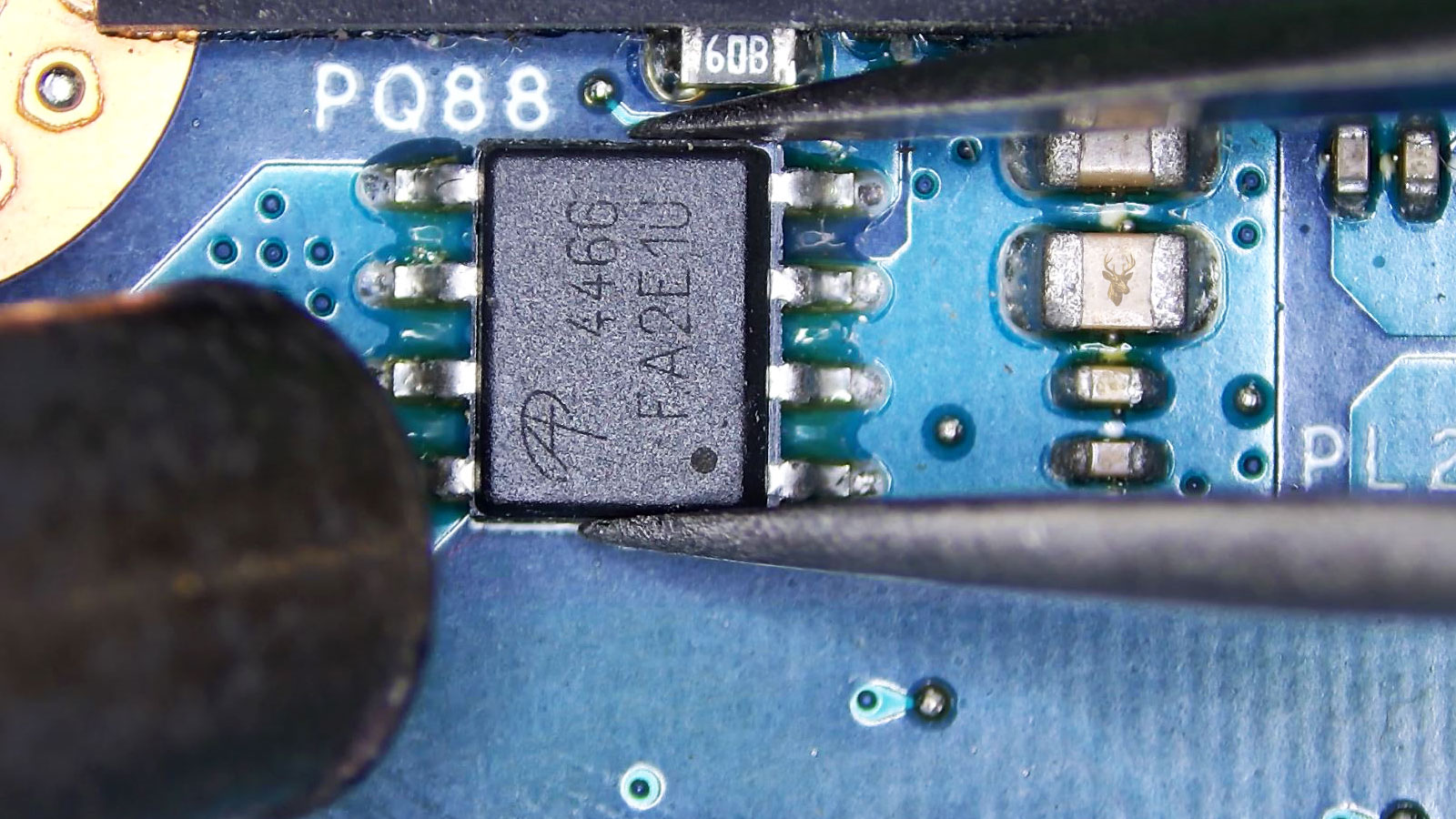
A computer that refuses to power on, shuts off instantly, or reacts only with a brief light may have a shorted capacitor, failed power rail, damaged IC, liquid-affected area, or burned component on the board. Service can include board inspection, power testing, component isolation, solder work, and repair of the damaged section when the board is worth saving.
USB-C, HDMI, Audio Jack, and Charging Port Replacement
Ports that feel loose, stop charging, lose video output, disconnect accessories, or work only at a certain angle may need internal repair instead of repeated cable replacement. Service can include removing damaged connectors, repairing lifted pads when possible, replacing the port, checking nearby components, and confirming the connection is stable after the work is completed.
Desktop Motherboard, Power Supply, and Graphics Failure Service
A desktop that clicks, spins fans without display, shuts down under load, restarts during gaming, or fails after a hardware change needs full system testing. Repair can include checking the power supply, motherboard, graphics card, PCIe slot, memory, storage devices, cooling hardware, BIOS behavior, and cable connections before replacing the part that actually failed.
All-in-One Computer Screen, Power, and Internal Hardware Repair
All-in-one computers can develop display failure, power board problems, overheating, damaged internal cables, weak storage, or fan issues inside a compact frame. Service can include careful disassembly, screen and backlight checks, internal board testing, drive replacement, cooling service, cable inspection, and reassembly without damaging the display housing.
Laptop Frame, Hinge Mount, Palm Rest, and Structural Repair
A laptop with cracking near the hinge, a separating bottom cover, broken screw posts, a loose palm rest, or lid pressure against the screen can get worse every time it is opened. Repair can include replacing damaged casing parts, securing hinge mounts, correcting frame pressure, protecting display cables, and restoring the laptop’s physical stability.
Storage Rescue, Drive Replacement, and System Migration
A computer with slow startup, disappearing folders, clicking drives, unreadable partitions, or a failing SSD may need careful file handling before hardware replacement. Service can include checking the drive condition, recovering accessible files, cloning usable data, installing a replacement SSD, moving the system when possible, and testing that the computer can boot reliably again.
Warning Signs That Point to Power Damage, Board Trouble, Display Failure, Port Wear, or Internal Hardware Stress
Small changes can appear before a computer becomes completely unusable. A system might still turn on, but the way it charges, displays video, handles heat, reads storage, responds to movement, or recovers after shutdown can reveal a deeper hardware problem. These signals are worth taking seriously because continued use can make the repair more difficult or put important files at greater risk.
The Charging Light Blinks When the Cord Is Touched
A charging indicator that flickers, cuts out, or changes when the adapter is moved can point to a worn DC jack, damaged USB-C port, cracked solder joint, loose charging board, weak cable connection, or power rail issue. This should be checked before the port burns, breaks loose, or stops charging the battery completely.
The Desktop Runs Loud but Sends No Signal to the Monitor
Fans spinning at high speed with no image on the screen can be caused by graphics card failure, motherboard fault, bad processor seating, failed memory training, weak power delivery, or BIOS corruption. The computer may sound alive, but the hardware may not be completing the startup sequence.
One Area of the Laptop Gets Hot Faster Than the Rest
Heat concentrated near one corner, the charging area, the keyboard deck, or the bottom cover can indicate more than normal fan dust. It may come from a shorted component, stressed charging circuit, battery pressure, blocked heat path, failing fan, or motherboard section that is drawing power incorrectly.
External Drives Freeze or Disconnect During File Transfers
A computer that locks up, disconnects storage, or interrupts large file copies may have failing USB ports, unstable controller behavior, weak power to the port, damaged external drive hardware, or an internal storage problem. This symptom matters because interrupted transfers can damage files or make a failing drive harder to recover.
The Screen Changes When the Laptop Lid Is Adjusted
A display that flickers, flashes, turns white, shows lines, or cuts out when the lid angle changes can point to a damaged display cable, hinge pressure, failing panel, broken lid routing, or connector trouble on the board. Continued opening and closing can turn a repairable display issue into a larger lid or motherboard problem.
The Computer Only Starts Again After Sitting Unplugged
A system that refuses to restart until it cools down or sits without power may be going into protection because of overheating, power supply weakness, capacitor trouble, board-level instability, battery problems, or a component that fails after warming up. This pattern usually needs hardware testing instead of repeated forced shutdowns.
Bench Handling for Computers with Fragile Parts, Heat Wear, or Failing Connections
Some computers can still power on, but the symptoms may show that the system is no longer stable enough to keep using without inspection. A laptop may charge only in one position, a desktop may run fans without completing startup, an all-in-one may lose picture, or a MacBook may show signs of battery pressure, keyboard trouble, or internal cable failure.
The handling process looks at the computer as a physical system first. That means checking loose ports, cracked mounts, screen movement, heat marks, dust buildup, fan behavior, battery condition, board areas, storage health, and internal connectors before deciding which repair path makes sense. This helps protect the machine from unnecessary stress while the real failure is being narrowed down.
What Happens When the Computer Needs More Than a Surface-Level Fix
Some computer problems cannot be solved by swapping a charger, restarting the system, or clearing temporary files. A careful service review may involve opening the device, checking power flow, inspecting soldered connectors, testing memory and storage, cleaning the cooling system, verifying display hardware, and confirming whether the motherboard or attached parts are causing the failure.
The goal is to keep the repair practical and direct. The computer is examined for the problem that is actually stopping normal use, whether that involves charging, startup, display output, overheating, damaged casing, port failure, board trouble, or file access. From there, the repair can move forward with a clearer understanding of what needs to be repaired, replaced, secured, or recovered.
Pickup Help for Computers That Need Safe Transport to a Repair Bench
Some computer problems are easier to handle with pickup instead of moving the device through traffic, parking areas, tight spaces, or repeated home testing. A cracked laptop, heavy desktop tower, fragile all-in-one, no-power MacBook, overheating gaming system, or computer with important files may need to be brought in carefully so the hardware can be opened, checked, and repaired under proper shop conditions.
Service Access Near NW 37th Avenue, NW 199th Street, and Miami Gardens Travel Routes
Pickup support can serve homes along the NW 37th Avenue area and nearby Miami Gardens routes that connect toward NW 199th Street, Calder Casino, Florida Memorial University, Hard Rock Stadium, and surrounding North Dade neighborhoods. This gives customers a practical way to begin repair service when the computer is too damaged, too heavy, or too unreliable to carry around safely.
This is especially useful for machines with loose charging ports, weak hinges, failing screens, swollen batteries, unstable desktops, all-in-one display trouble, damaged USB connections, or drives that may contain important files. Instead of continuing to test the computer at home and risking more damage, pickup allows the device to be moved toward a proper diagnostic process.
A Better Route for Hardware Repairs That Need Tools, Parts, and Internal Testing
Many repair jobs cannot be judged from the outside of the computer. Charging failure may involve the board, a desktop shutdown may involve power delivery, a screen issue may involve the panel or cable, and a MacBook input failure may involve internal parts under the top case. Pickup helps get the computer to the bench where those details can be checked correctly.
Once the device is brought in, the repair can focus on the actual fault rather than temporary workarounds. The service can move through inspection, testing, part replacement, board review, cooling work, storage protection, or structural repair as needed, with the goal of returning a computer that is ready for daily use again.
Questions About Charging Damage, Blank Screens, Broken Frames, Overheating, Ports, and Board-Level Repair
Some computer problems look physical, electrical, or internal from the start and need clear answers before any repair begins. These questions cover situations where the machine may need to be opened, tested, inspected for damaged parts, checked for unstable power behavior, and repaired with more than basic troubleshooting.
Can a loose laptop charging port be fixed before it damages the board?
Yes, it should be checked early. A loose charging port can stress solder joints, connector pads, charging boards, and nearby components every time the cord is moved. Repair may involve replacing the jack or USB-C port, securing the connection, inspecting the power path, and confirming the battery charges without movement or flickering.
Why does my desktop turn on but never show anything on the monitor?
A desktop can power fans and lights without completing startup. The cause may be a graphics card problem, weak power supply, motherboard failure, memory issue, BIOS fault, bad display output, or loose internal connection. The tower needs hardware testing so the repair does not rely on replacing parts at random.
Can an all-in-one computer with a black screen still be repaired?
Many all-in-one systems can still be repaired, depending on the failure. A black screen may come from the display panel, backlight circuit, internal cable, power board, storage issue, or motherboard fault. The unit has to be opened carefully because the screen, frame, and internal parts are built closely together.
Is hinge or casing damage worth repairing on a laptop?
It can be worth repairing when the rest of the laptop is still useful. Broken hinges, cracked mounts, separating palm rests, and damaged bottom covers can eventually break the screen cable, lid, or motherboard area if the laptop keeps being opened and closed. Repair can involve replacing casing parts, rebuilding mounts, and securing the frame.
Do loose USB, HDMI, audio, or charging ports require soldering?
Some ports plug into small internal boards, while others are soldered directly to the motherboard. If the connector is soldered, repair may require removing the damaged port, cleaning the area, checking for lifted pads, installing a replacement connector, and testing the port under normal cable movement.
What should I do if a computer shuts off when it gets hot?
Stop forcing the computer through repeated restarts. Heat shutdowns can come from a clogged cooling system, failing fan, dried thermal material, blocked vents, weak power supply, battery trouble, or a board-level component that fails after warming up. The safest repair path is to inspect the cooling and power behavior before the failure gets worse.
Repair Support for Computers With Real Hardware Problems
A home computer can develop serious problems after daily use, tight workspaces, heat, movement, aging parts, and physical wear. Service can cover laptops with loose charging ports, desktops with no display, all-in-one systems with internal screen failure, MacBooks with input or battery issues, damaged hinges, failing fans, broken connectors, weak drives, and systems that need deeper board inspection before the right repair decision is made.
Whether the computer is used for school, work forms, household records, online accounts, photos, printing, communication, or small business tasks, the repair should focus on making the machine dependable again instead of guessing at easy fixes. That means careful diagnostics, proper parts replacement, internal testing, structural repair when needed, and a service path that treats the computer like equipment the household still depends on.