
Computer Repair Opa-locka
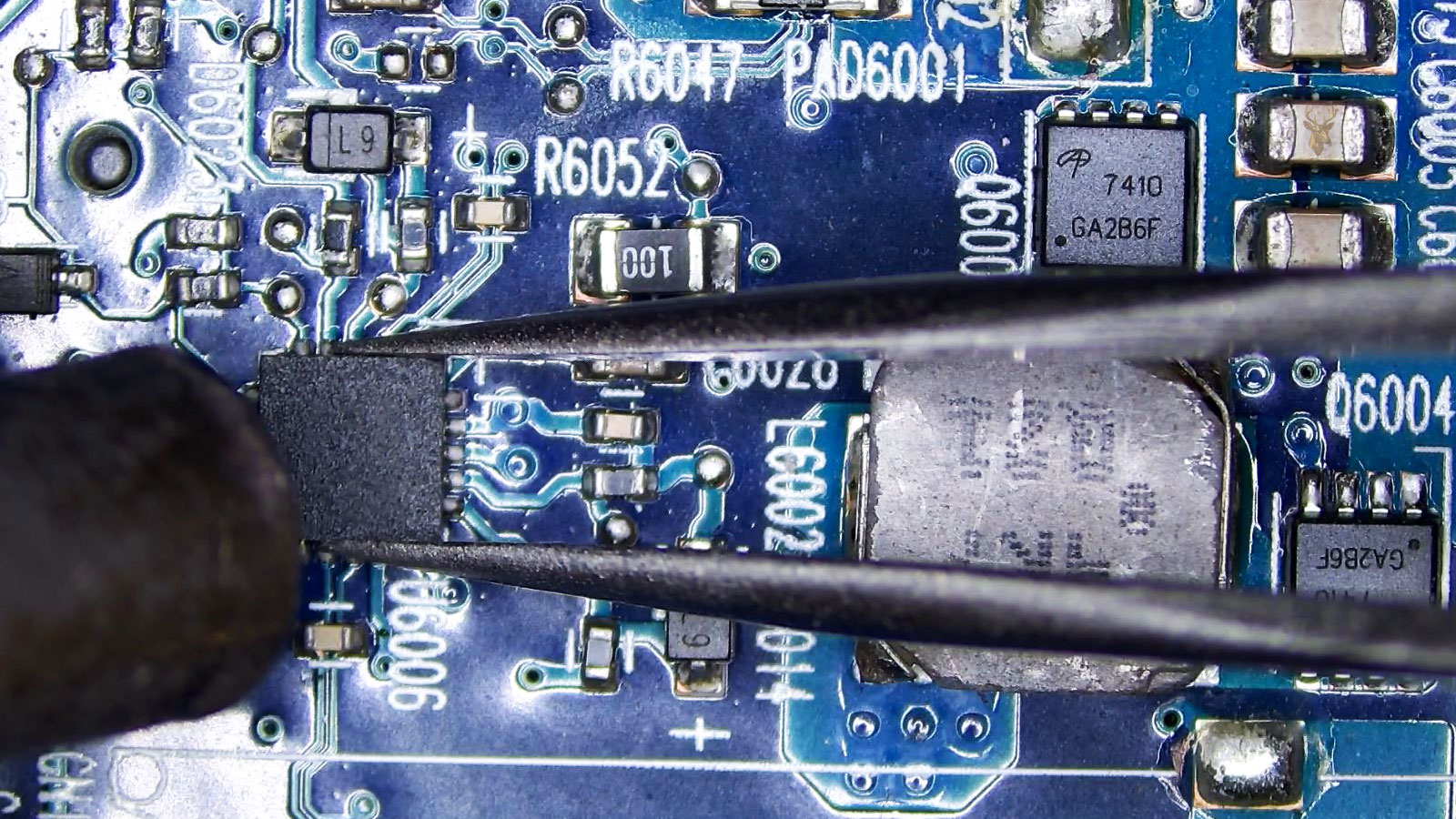
Computer Repair for Homes, Shops, Offices, and Work Devices
Computer Repair for Opa-locka Homes, Shops, Offices, and Work Devices
Opa-locka has a character that stands apart in Miami-Dade, from the Moorish Revival buildings and Arabian Nights street names to the daily activity around Fisherman Street, Sharazad Boulevard, Ali Baba Avenue, and the neighborhoods near Sherbondy Village. Computers here support family homes, local businesses, schoolwork, city offices, aviation-area workspaces, storefront systems, and personal devices that carry important records, photos, accounts, and files.
A repair should be handled around the way the device is used, not just the first symptom that appears. A laptop that fails before a work shift, a desktop that holds invoices, a MacBook used for online accounts, or a small office computer that controls printing, email, and customer information may need careful review before parts are replaced, files are moved, or software changes are made.
Local Device Help Near Fisherman Street, Sherbondy Village, and the Airport Area
Technology problems can interrupt very different routines. A device may be used near City Hall on Fisherman Street, carried through residential blocks around Perviz Avenue, relied on by a small business near NW 27th Avenue, or connected to work tied to Miami-Opa locka Executive Airport and nearby industrial corridors. Each situation calls for a repair approach that respects the customer’s files, time, and setup.
Customers can get help when a computer will not start, keeps crashing, loses access to files, stops recognizing accessories, shows power problems, runs too slowly for daily work, or becomes unreliable after updates, damage, heat, or storage trouble. The focus is to find the cause, protect what matters, and return the device to steady use for the homes and workspaces depending on it.
A Repair Process Built Around the Computer’s Real Job
A computer may be tied to a household near Sharazad Boulevard, a small business close to Ali Baba Avenue, a city-office routine around Fisherman Street, or work connected to the airport and nearby industrial areas. The repair process begins by understanding what the device is responsible for before changing parts, resetting software, or moving files.
Identify What the Computer Controls Day to Day
A computer may be more than a personal device. It may handle receipts, customer records, school portals, printed forms, shared folders, online banking, dispatch notes, or software used every morning. Before repair work begins, the device’s role is reviewed so the repair does not overlook the accounts, programs, and files connected to it.
Separate the Breakdown from the Workaround
Many customers keep working around a computer problem until it becomes worse. They may restart it several times, switch chargers, move files to a flash drive, avoid one program, or unplug accessories that used to work. Those workarounds are useful clues because they show whether the failure is tied to power, storage, software, ports, heat, or user-profile behavior.
Verify the System Before It Returns to Use
The final step is not only to make the computer turn on. The system should be checked against the way the customer actually uses it, whether that means opening business software, reaching saved folders, connecting a printer, reading an external drive, joining a video call, or staying stable long enough for the next workday.
Full-Shop Repair for Computers That Need More Than Basic Troubleshooting
Devices may come from homes near Perviz Avenue, storefronts around Ali Baba Avenue, workstations near Fisherman Street, or business equipment connected to the airport and nearby industrial corridors. Many of these computers need hands-on repair, board inspection, soldering work, power testing, internal part replacement, or recovery planning before they can return to dependable use.
Board-Level Power Circuit Repair
A computer that shows no power, turns on for a second, shuts off under load, or reacts only with a brief light may have a damaged power rail, shorted component, failed MOSFET, bad regulator, or board-level fault. Repair can involve tracing the power path, isolating the failed section, and replacing damaged components instead of replacing the whole machine too quickly.
Soldered USB-C and Charging Port Repair
Many newer laptops and MacBooks depend on soldered USB-C ports for charging, display output, docking, and data transfer. When a port becomes loose, bent, intermittent, or stops delivering power, the repair may require microsoldering, connector replacement, board-pad inspection, and testing to confirm the device charges and communicates properly again.
Backlight, Display Cable, and No-Image Repair
A laptop may power on while the screen stays black, shows a faint image, flickers when the lid moves, or loses video after impact or hinge stress. Repair can focus on the backlight circuit, display cable, connector area, lid wiring, graphics output, and screen-side communication before the wrong part is replaced.
Desktop Motherboard and Power Supply Repair
Business desktops, home PCs, and workstations may fail because of unstable power, aging capacitors, bad motherboard slots, damaged connectors, weak power supplies, or internal shorts. Repair can include testing the board, PSU, memory slots, expansion cards, cooling path, and storage connections so the system can be repaired or rebuilt correctly.
BIOS, Firmware, and Startup Chip Recovery
Some computers stop booting after a failed update, corrupted firmware, wrong BIOS setting, damaged chip data, or motherboard communication error. Repair can involve firmware recovery, BIOS reprogramming, CMOS-related checks, startup configuration review, and board testing when the system cannot reach the operating system normally.
Failed Drive Imaging and File Recovery
When a computer no longer boots, freezes during file access, disappears from storage detection, or contains a drive that behaves inconsistently, the files should be handled before repeated repair attempts. Recovery work can include drive health evaluation, controlled imaging, file extraction, transfer planning, and careful handling of documents, photos, records, and business folders.
Signs a Computer May Need Board, Port, Power, or Recovery Work
Computers used in homes, shops, workspaces, aviation-area offices, and corridors near Fisherman Street, Ali Baba Avenue, Sharazad Boulevard, and Miami-Opa locka Executive Airport can show early signs of deeper hardware trouble. Some symptoms look small at first, but they may point to power-circuit damage, soldered-port failure, firmware corruption, display-circuit trouble, or storage risk that should be checked before the device is pushed further.
The Power Light Flashes Once and the Computer Goes Dead
A brief light, quick fan twitch, or one-second power attempt can point to a shorted component, failed power rail, damaged regulator, or board-level fault. Repeatedly pressing the power button may stress the circuit further, so the power path should be tested before replacing random parts.
A USB-C Dock or Charger Works for a Moment, Then Cuts Out
When a USB-C charger, docking station, display adapter, or external drive connects briefly and then drops, the issue may be inside the soldered port, board pads, controller circuit, or power-delivery path. The problem should be checked before more chargers, hubs, or monitors are blamed.
The Image Appears Only on an External Monitor or Under a Flashlight
A laptop that works on an external display, shows a very faint image, or changes when the lid angle moves may have a backlight circuit problem, damaged display cable, connector fault, or lid-side wiring issue. That type of failure needs testing before assuming the entire screen assembly is bad.
Memory, Graphics, or Expansion Cards Stop Being Detected After Movement
A desktop that loses RAM, fails to read a graphics card, drops a Wi-Fi card, or changes hardware detection after being moved may have slot damage, cracked solder joints, board flex, dust contamination, or a weak connection. The motherboard and installed components should be inspected together.
The System Has Lights and Fan Activity but Never Reaches the Logo Screen
A computer that powers the keyboard, spins the fan, or pulses repeatedly without showing the manufacturer logo may be stuck before normal startup begins. Possible causes include corrupted BIOS data, failed firmware update, bad CMOS behavior, memory training failure, or motherboard communication trouble.
Files Start Copying, Then Freeze Before the Transfer Finishes
A drive that opens folders but stalls during transfer may still be failing even if it appears readable at first. Slow copies, repeated pauses, disappearing progress bars, or transfer errors can mean the storage device needs imaging and recovery handling before more repair attempts reduce the chance of saving the files.
Careful Bench Handling for Devices with Internal Failure Signs
A computer may arrive from a home near Sharazad Boulevard, a storefront off Ali Baba Avenue, a workspace around Fisherman Street, or an office routine tied to the airport area. When the issue points to power failure, soldered-port damage, no-image behavior, firmware trouble, motherboard instability, or a drive that may be failing, the device needs to be handled as a repair job first, not treated like a simple settings problem.
The handling process protects the board, storage device, ports, screen connections, power path, and attached components before deeper testing begins. A shorted laptop, a desktop with expansion-slot trouble, a USB-C charging failure, or a computer that freezes during file transfer should be inspected in a way that avoids extra electrical stress, unnecessary restarts, and careless part swapping.
How the Device Is Checked Before Repair Moves Forward
Before repair work advances, the condition of the machine is reviewed from the outside in. Power response, charging behavior, board heat, port movement, screen output, fan activity, storage detection, and signs of prior damage all help decide whether the next step should be component testing, soldering work, firmware recovery, data protection, or a controlled hardware repair.
Customers should have the problem narrowed down before the device is pushed further. The goal is to understand what failed, what still needs to be protected, and whether the best repair path involves board-level service, port replacement, display-circuit work, desktop motherboard repair, BIOS recovery, or drive imaging before the computer returns to regular use.
Pickup Help for Computers That Need Bench Testing, Parts Work, or Safer Handling
Some computer problems should not be handled by repeated restarts, random chargers, or quick resets at home. A laptop with a damaged USB-C port, a desktop that flashes once and dies, a MacBook with no image, a workstation that stops detecting hardware, or a drive that freezes during file transfer may need pickup so the device can be reviewed with proper tools, controlled testing, and a safer repair path.
Pickup for Devices That Should Stay Powered Down
When a computer shows signs of a short, failing drive, unstable charging circuit, display-cable damage, liquid exposure, or board-level power trouble, keeping it powered down can matter. Pickup gives customers a way to move the device into repair without continuing to test a machine that may already be electrically unstable or at risk of storage failure.
The charger, dock, external drive, display adapter, keyboard, or special cable can be included when it relates to the failure. That is especially useful when the problem involves USB-C charging, HDMI output, docking stations, intermittent ports, desktop expansion cards, or accessories used around homes, shops, and work areas near Ali Baba Avenue, Sharazad Boulevard, and Fisherman Street.
Pickup Planning Around the Risk, Not Just the Address
A pickup from near the municipal complex on Fisherman Street is not always the same kind of job as a pickup from a home near Sherbondy Village, a storefront close to Ali Baba Avenue, or a workstation tied to Miami-Opa locka Executive Airport traffic. The useful question is what can be safely handled before the computer moves: whether it should remain powered down, whether the charger should be included, whether the drive is already unstable, and whether the case, screen, port, or board has visible damage.
At intake, the computer is treated according to the risk it presents. A no-power board, damaged charging connector, failed backlight circuit, desktop motherboard issue, corrupted firmware case, or freezing storage device should enter the repair process with the right warning attached from the start. That helps the shop avoid unnecessary restarts, careless handling, and missed clues while giving customers a better path from pickup to real repair work.
Questions Customers Ask Before a Computer Is Opened, Tested, or Moved Further
Some repair jobs begin before the first screw is removed. A computer from a home near Sharazad Boulevard, a business near Ali Baba Avenue, a workstation close to Fisherman Street, or a device used around the airport corridor may arrive with more than one concern: whether it should stay powered off, which parts should come with it, what information should be saved first, and how far the repair should go once the real fault is found.
What details are useful before a no-power computer is checked?
The most useful details are what happened right before the failure, whether the computer reacted with lights, sound, heat, smell, fan movement, or charging behavior, and whether anything was recently plugged in. A machine that died after a power flicker, liquid exposure, port damage, drop, upgrade attempt, or charger change should be handled differently from one that slowly became unreliable over time.
When should the computer stay turned off until it reaches the shop?
A computer should usually stay off if it smells burnt, becomes unusually hot, has liquid exposure, sparks, clicks, shuts down instantly, shows battery swelling, freezes during file access, or has a damaged charging area. Keeping it off can help prevent a board fault, battery issue, or failing drive from becoming harder to repair.
Which accessories should come with the computer for testing?
The charger should come with most laptops, and any accessory tied to the failure should come too. That may include a dock, external drive, HDMI adapter, monitor cable, desktop power cord, USB hub, keyboard, graphics card, or special business device. If the problem only happens with one attached part, leaving that part behind can hide the real cause.
How are business computers handled when they run more than one task?
A business computer may control printing, invoices, customer folders, shared drives, barcode devices, email, remote access, or software that cannot be casually erased. Before repair work moves forward, the important functions should be identified so the repair does not solve one hardware problem while creating a new setup problem for the customer.
What happens if the inspection reveals corrosion, heat damage, or a burned part?
The repair path changes once physical damage is confirmed. Corrosion, heat marks, cracked connectors, burned components, damaged pads, or board discoloration can mean the device needs cleaning, component replacement, solder work, circuit testing, or a decision about whether repair is still practical. That kind of finding should be reviewed before the machine is powered repeatedly.
How is the repair decision made when the computer is older but still important?
The decision should consider the fault, the condition of the board, the cost of parts, the value of the files, the software setup, and how the customer uses the machine. Some older computers are worth repairing because they hold a working environment that would be difficult to rebuild, while others make more sense as recovery or transfer jobs instead of full hardware repairs.
When the Computer Needs More Than a Quick Fix
For customers, the right repair path often begins with the physical condition of the machine: a board that will not stay powered, a port that has pulled loose, a display circuit that has gone dark, a desktop that no longer detects installed hardware, or storage that becomes unstable before files finish copying. These are the kinds of problems that belong on a repair bench, where power rails, connectors, firmware, screens, drives, and internal boards can be checked with the seriousness they require.
From the Moorish Revival streets around Ali Baba Avenue and Sharazad Boulevard to work areas near Fisherman Street, Perviz Avenue, NW 27th Avenue, and the Miami-Opa locka Executive Airport corridor, customers can bring in laptops, MacBooks, desktops, all-in-one systems, and workstations that need real repair work instead of a generic tune-up. The repair direction should be clear: restore the board, replace the connector, recover the files, rebuild the desktop, correct the startup failure, or explain when transfer or replacement makes more sense.