
Component-Level Board Repair in Miami
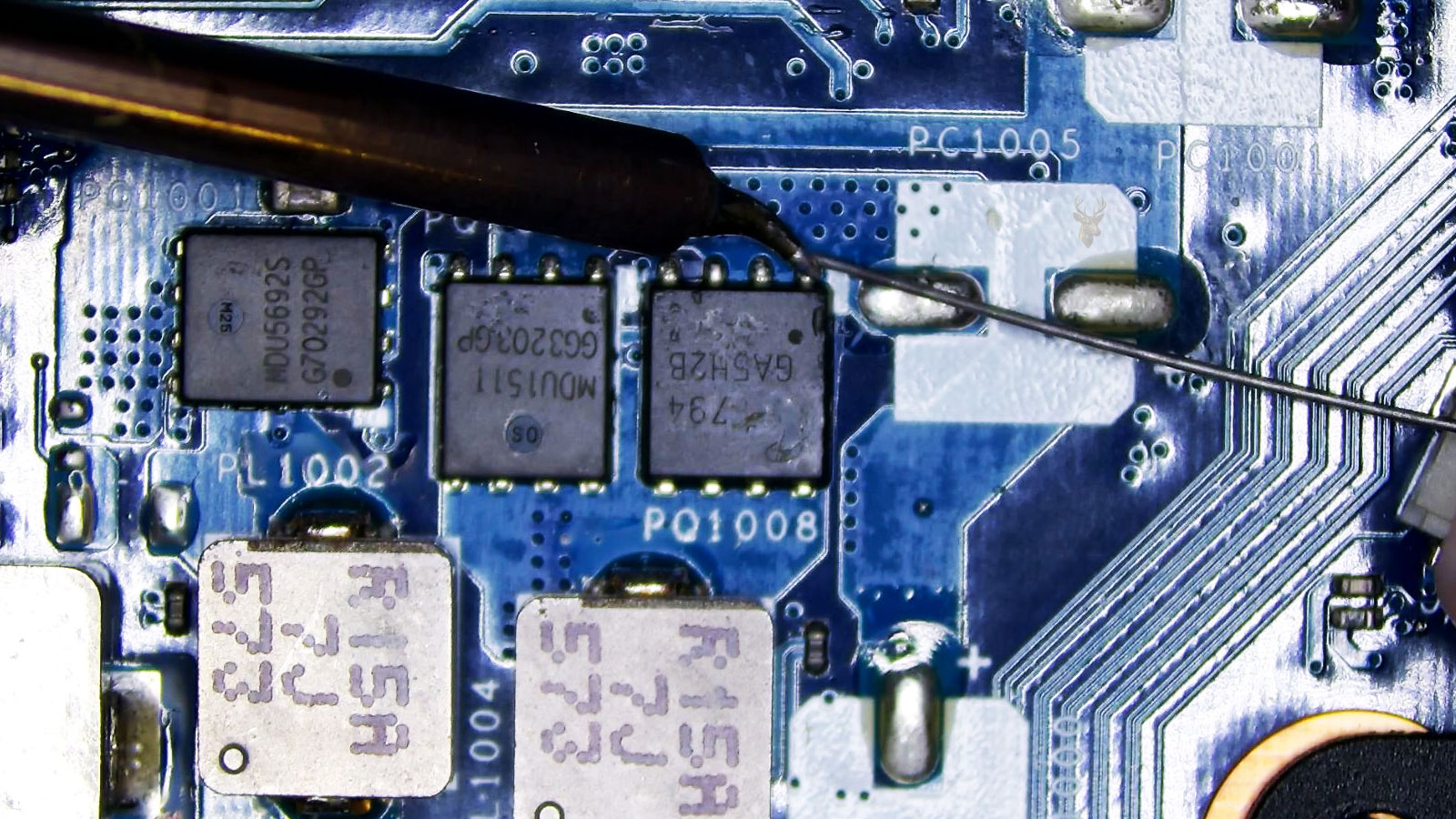
Board-Level Repair
Port replacement
Trace reconstruction
Component testing
Visible Board Damage Does Not Always Reveal the Full Electrical Failure
A damaged connector, missing component, corroded area, or no-power condition may be only the visible part of a deeper board-level problem. Micro soldering work begins by examining the affected circuit, surrounding components, power behavior, and signal paths before deciding whether a port, trace, pad, controller, or supporting component requires repair.
Power can reach part of the board while failing farther along the circuit.
A damaged port may also affect pads, traces, filters, or nearby components.
Intermittent behavior can reveal faults that are not visible during a basic inspection.
CIRCUIT IMPACT
Charging and Power Circuit Repair
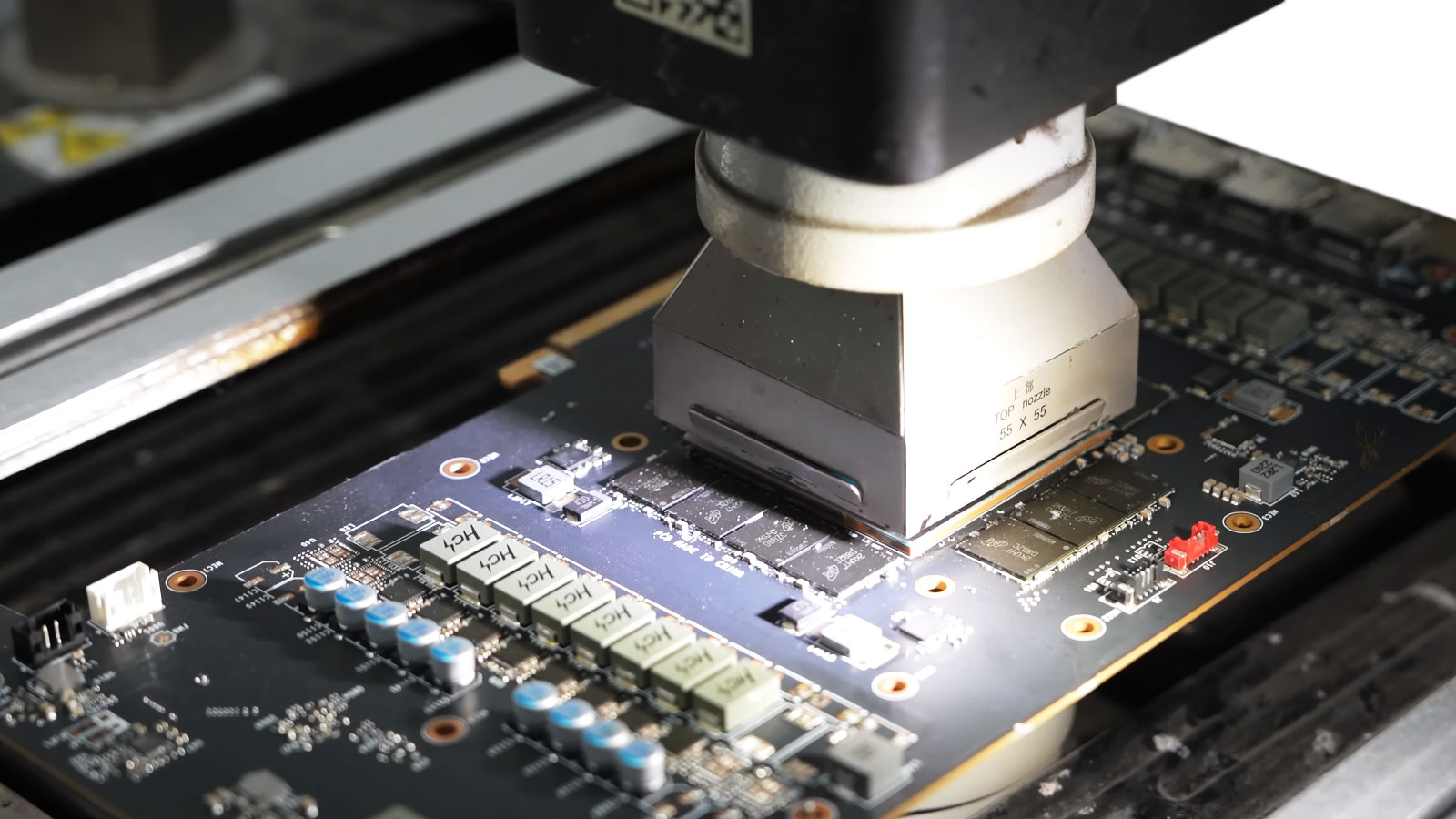
A device that will not charge, power on, or remain stable may have a fault that extends well beyond the visible charging connector. The problem can involve damaged input components, shorted capacitors, failed power-management circuits, corroded connections, burned protection parts, interrupted voltage paths, or a section of the board that is no longer passing power correctly. In some cases, the connector is only where the symptom appears, while the actual failure is located deeper inside the charging or power-distribution circuit.
Component-level testing helps identify where power enters the board, where it stops, and which surrounding parts may be influencing the failure before anything is removed. This can include checking for shorted lines, missing voltages, unstable power rails, damaged pads, or components that are heating abnormally. When the affected circuit can be isolated and the surrounding board remains serviceable, damaged components, traces, pads, or connections may be repaired without replacing the entire motherboard.
Damaged Port Replacement
Loose, broken, or physically damaged USB-C, HDMI, charging, and data ports may require micro soldering when the connector is mounted directly to the circuit board. The port, anchor points, pads, and nearby signal lines must all be evaluated before a replacement is installed.
Trace and Pad Repair
Broken traces, lifted pads, and damaged solder points can interrupt power or signal paths even when the surrounding board still appears usable. Careful reconstruction may restore the missing connection when the board layers and nearby components remain stable.
Liquid Damage and Corrosion Repair
Liquid exposure can create corrosion, electrical leakage, shorted components, and unstable connections across several areas of a circuit board. The visible residue may be only part of the problem, especially when moisture has reached connectors, component legs, vias, or sections hidden beneath shields. A device may continue working temporarily before developing charging problems, missing functions, random shutdowns, or complete power failure.
Board-level evaluation focuses on identifying the circuits affected by the exposure and determining whether damaged components, corroded connections, or contaminated areas can be cleaned and repaired safely. The condition of the board, the amount of corrosion, the time since exposure, and any previous power attempts all influence the repair path. When the damage is localized and the underlying board remains intact, component replacement and connection repair may restore normal operation.
Every Board Requires a Different Repair Strategy
Successful micro soldering depends on understanding how the damaged circuit is built before any repair begins. Different manufacturers use different board layouts, component sizes, solder types, and protective materials, so the repair approach must match the specific design rather than follow a single procedure. Careful evaluation helps determine whether the affected area can be repaired safely while protecting nearby components and preserving the integrity of the surrounding circuitry.
- Component-level diagnosis before soldering begins.
- Controlled heat application to protect nearby circuits.
- Precision repair of pads, traces, and solder joints.
- Functional testing after board-level repairs are completed.
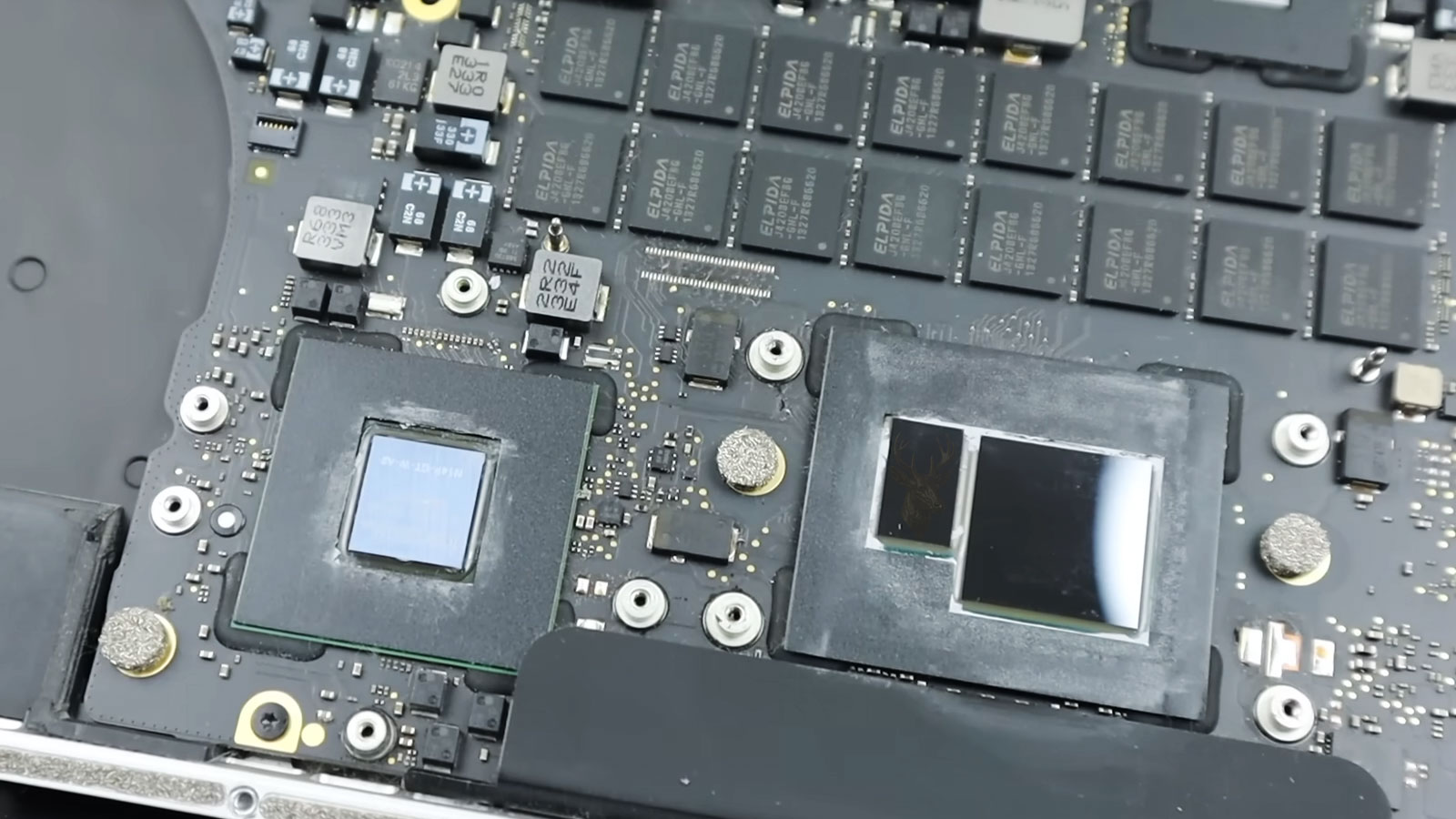
From Circuit Evaluation to Final Functional Testing
Inspect the Board and Confirm the Failure Area
The board is examined for visible damage, corrosion, broken connectors, missing components, heat marks, and abnormal electrical behavior. Initial testing helps narrow the problem to the affected circuit before repair work begins.
Test Power, Signal, and Component Behavior
Voltage paths, resistance readings, shorted lines, and nearby components are checked to understand how the failure is affecting the board. This step helps determine whether the problem involves a connector, component, trace, pad, or supporting circuit.
Complete the Precision Board Repair
The damaged part is removed or repaired using controlled heat, magnification, and tools appropriate for the board. Replacement components, reconstructed traces, restored pads, or renewed solder connections are completed while protecting the surrounding area.
Reassemble and Verify System Operation
After the board-level work is complete, the repaired area and related functions are tested under normal operating conditions. Charging, startup, ports, power stability, and the original reported problem are reviewed before the service is considered complete.
Board Condition Determines Whether Component-Level Repair Is Practical
Repairable Circuit Damage
Localized failures may be suitable for micro soldering when the affected circuit can be identified and the surrounding board remains structurally stable. Damaged ports, failed components, broken traces, lifted pads, and limited corrosion can sometimes be repaired without replacing the complete motherboard. The final decision depends on the extent of the damage, the condition of nearby connections, and whether replacement components or compatible donor parts are available.
Extensive or Uneconomical Damage
Repair may have limited value when corrosion has spread through several board layers, large areas are burned or physically broken, critical chips are unavailable, or previous repair attempts have removed important pads and traces. Severe liquid exposure, extensive short circuits, and damage affecting several interconnected systems can also make the outcome uncertain. In these situations, motherboard replacement, data recovery, or replacing the device may be the more practical direction.
Micro Soldering Questions Customers Often Ask
What types of devices can receive micro soldering service?
Micro soldering may be used on laptops, desktop motherboards, Macs, gaming systems, small electronic devices, and other circuit boards with repairable component-level damage. The exact possibilities depend on the board design, the damaged area, and whether the required components or donor parts are available.
Can a damaged charging port be repaired without replacing the motherboard?
In many cases, yes. When the charging port is soldered directly to the board, the connector may be replaced through micro soldering. The pads, anchor points, traces, and surrounding charging circuit must also be checked because the damage may extend beyond the visible port.
Can micro soldering repair liquid-damaged circuit boards?
Localized corrosion, damaged components, and interrupted connections may sometimes be repaired. However, liquid can spread beneath shields, connectors, and integrated circuits, so the full extent of the damage may not be visible immediately. Repair feasibility depends on how much of the board was affected and whether internal layers remain intact.
Will my files be protected during board-level repair?
Protecting the customer’s data is an important consideration, especially when the storage is soldered to the board or the device cannot start normally. A successful board repair may restore access to the system, but data recovery may require a separate approach when the storage circuit, controller, or memory components are involved.
Is micro soldering always less expensive than replacing the motherboard?
Not always. Localized connector, trace, pad, or component damage may make board repair a practical alternative to full replacement. Extensive corrosion, unavailable chips, multilayer damage, or previous unsuccessful repair attempts can increase the complexity and reduce the economic value of proceeding.
Can you guarantee that a damaged motherboard will be repairable?
No responsible technician can guarantee a board-level repair before the affected circuit has been evaluated. Some failures are isolated and repairable, while others involve severe physical damage, unavailable components, internal board layers, or multiple related circuits. The inspection helps determine whether a realistic repair path exists.
What information should I provide before requesting micro soldering service?
Provide the device make and model, the original symptoms, what happened before the failure, and whether the board has been exposed to liquid or previously repaired. Photographs of visible damage may also be helpful, but physical and electrical inspection is usually required before the repair direction can be confirmed.
Micro Soldering Requires More Than Replacing a Damaged Part
Component-level repair depends on understanding how the damaged area connects to the rest of the board, how heat can affect nearby components, and whether the original failure has spread beyond what is immediately visible. Careful inspection, controlled soldering, circuit testing, and final verification all matter when deciding whether a board can be restored reliably. The goal is not simply to install another component, but to repair the affected circuit in a way that protects the surrounding board and produces a practical result.