
Computer Repair Medley
Repair Help for the Devices Behind Dispatch Desks, Office Counters, and Home Setups
This town is not built like a typical residential suburb. Its streets carry the rhythm of warehouses, service bays, loading areas, office suites, trucking routes, supply rooms, and small residential pockets near a much larger business landscape. Around NW South River Drive, NW 72nd Avenue, the Miami Canal, and industrial roads connecting toward Doral and Hialeah, computers are often part of the machinery of the day.
A computer may be printing bills of lading, opening vendor portals, managing inventory files, tracking delivery schedules, storing estimates, handling accounting records, or keeping a household connected after work. When that device stops cooperating, repair support can focus on the real interruption: lost access, missed paperwork, failed startup, charging trouble, broken screens, slow systems, network issues, or files that need to be protected before the problem gets worse.
Built for a Place Where Business Traffic and Local Life Overlap
A small resident base and large daytime business population create a different repair need than many nearby communities. A computer may belong to a household, a front office, a warehouse desk, a contractor, a shop, or someone working between job sites. The issue might show up before a shift, during a delivery deadline, after a power event, or when an older machine finally becomes too slow to keep up.
Computer repair can include laptop repair, desktop service, Mac support, data recovery, screen replacement, charging-port repair, hard drive and SSD replacement, Wi-Fi troubleshooting, liquid-damage inspection, overheating correction, and board-level diagnostics. The purpose is to bring the repair back to the way the device is actually used, whether that means protecting documents, restoring daily access, or getting a work machine ready for the next task.
A Repair Process Built Around Workload, Access, and Downtime
This repair environment is shaped by a business-heavy layout, where many computers are tied to paperwork, shipping records, customer accounts, field schedules, vendor portals, and office routines that need to keep moving.
The repair process starts by separating the immediate interruption from the deeper cause. A system that will not print labels, open shared files, hold a Wi-Fi connection, charge reliably, or boot before the workday begins may need a different path than a personal device with photos, tax documents, or school files. Each repair is approached by looking at the computer’s role first, then checking the hardware, software, storage, power, and connection points that could be creating the failure.
The Device’s Job Comes First
Before parts are discussed, the first question is what the computer is responsible for. A desktop used for invoices, warehouse check-ins, dispatch screens, or label printing has a different urgency than a laptop used after hours at home. Understanding that role helps prioritize whether the main concern is restoring access, protecting files, stabilizing performance, or finding out why the machine suddenly stopped responding.
Testing Follows the Failure Pattern
The inspection is guided by the symptoms instead of a generic checklist. No power may lead to adapter, charging-port, battery, board, or short-circuit testing. Slow operation may point toward storage health, memory pressure, heat, malware, or system corruption. Network failures may require driver, wireless card, antenna, port, router-facing, or software review. The goal is to trace the fault to the area actually causing the interruption.
The Repair Plan Is Matched to Downtime and Data Risk
Once the cause is clearer, the next step is explained based on what matters most: turnaround, data safety, repair cost, part availability, or whether the system is still worth saving. Some customers may need a work machine restored quickly, while others may care most about recovering years of files. The repair direction is chosen after those priorities are clear, not before.
Computer Repair Options for Devices Used in Busy Environments
Computers often support more than casual browsing. In offices, warehouses, service counters, and home setups, they may be tied to documents, vendor websites, shipping tools, printers, scanners, accounting programs, remote access, and daily communication. When one part of that setup stops working, the problem can slow down an entire routine.
Repair service can cover practical issues that affect how a computer is used during the day, from operating system problems and memory errors to keyboard failure, printer communication, user profile corruption, and transfer needs when a device is being replaced. Each service starts with the actual symptom and the role the computer plays before a repair path is recommended.
Windows Startup and Update Loop Repair
A computer that gets stuck on preparing updates, automatic repair, spinning dots, blue recovery screens, or repeated restart loops may have damaged system files, failed update components, boot configuration errors, or corrupted Windows services. Repair can focus on restoring startup access without immediately wiping the machine when files and programs still matter.
Printer, Scanner, and Label Device Troubleshooting
Workstations often depend on printers, scanners, shipping-label equipment, and document devices. When a computer stops detecting them, prints blank jobs, loses the queue, rejects drivers, or fails after a software update, service can check the computer-side settings, drivers, ports, permissions, and connection method causing the interruption.
Memory Error and RAM Instability Service
Random restarts, application crashes, file errors, failed installs, and sudden blue screens can come from unstable memory or mismatched RAM. Testing can determine whether the issue is caused by a bad module, a loose slot connection, incompatible upgrades, motherboard memory-channel trouble, or another fault that only appears under load.
Keyboard, Touchpad, and Input Device Repair
Keys that repeat, stop responding, type the wrong characters, stick after heavy use, or fail after a spill can make a laptop difficult to use even when the rest of the computer still works. Service can inspect the keyboard, touchpad, ribbon cable, palm rest assembly, drivers, and input settings to find the source of the problem.
User Profile, Login, and Account Access Repair
Some computers turn on normally but will not load the user’s desktop, reject passwords, open temporary profiles, hide documents, or fail to sync account data. Repair can address damaged profiles, local account errors, Microsoft account conflicts, permission issues, and login problems that block access to the working environment.
Computer Setup, Transfer, and Replacement Preparation
When an older computer is being repaired, upgraded, or replaced, customers may need programs, browser data, documents, desktop folders, email settings, and connected devices moved carefully. Service can help prepare the old machine, organize the transfer, configure the replacement system, and reduce downtime between the two computers.
Repair Signals That Point to Hardware, Board, Port, Battery, or Liquid Damage
Not every computer problem is just a setting, update, or software glitch. Devices used around offices, warehouses, service counters, vehicles, workbenches, and home setups can develop physical wear in very specific ways. A port may move inside the case, a hinge may begin pulling the frame apart, a keyboard may fail after moisture exposure, or a board component may show signs of corrosion or electrical stress.
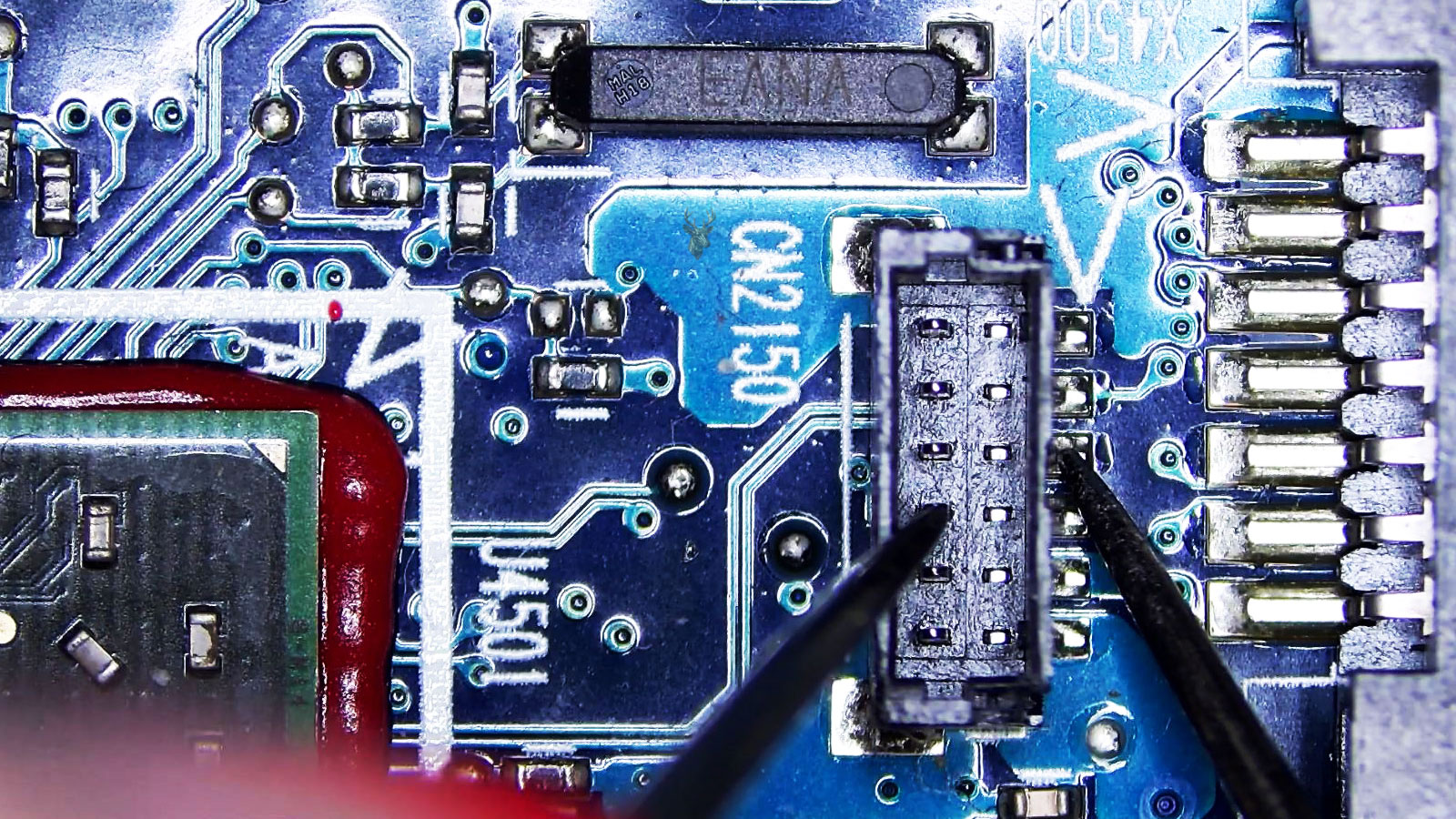
These warning signs matter because they often get worse when the device continues to be used. Repair service can inspect the affected area, test the related components, check for hidden damage, and determine whether the issue can be corrected through part replacement, connector repair, cleaning, microsoldering, or deeper board-level diagnostics.
A USB-C, HDMI, or Charging Port Feels Loose Inside the Case
When a cable no longer sits firmly, the port moves when touched, or the connection works only at a certain angle, the issue may involve a cracked connector, lifted solder pads, damaged internal brackets, or stress on the board. Continuing to force the cable can tear the connection further and make the repair more involved.
The Palm Rest, Bottom Cover, or Trackpad Area Starts Lifting
A case that begins separating near the trackpad, keyboard, or bottom panel can be a sign of a swollen battery, broken mounting points, hinge pressure, or internal frame damage. This should be inspected before the battery presses harder against the case, bends the trackpad, or creates pressure on nearby components.
Several Keyboard Keys Fail in the Same Area
When a group of keys stops responding, types extra characters, or fails after a spill, the problem may be inside the keyboard matrix, ribbon cable, connector, or palm rest assembly. Moisture and residue can also travel below the keyboard, so the repair may need more than replacing the keycaps.
The Screen Hinge Pulls the Frame Open When the Lid Moves
A hinge that feels stiff, clicks, separates the bezel, or lifts the top case can damage the display cable, webcam cable, antenna wires, and plastic mounting posts. This is a mechanical repair signal that should be handled before the lid breaks further or the screen assembly becomes harder to save.
There Is Sticky Residue, Green Corrosion, or Dark Spots on the Board
Residue around chips, connectors, coils, fuses, or small board components can point to liquid exposure, corrosion, or electrical damage. Even if the computer still turns on, corrosion can continue spreading under components and create new failures later. Board-level cleaning and inspection can help determine what was affected.
The Camera, Microphone, or Trackpad Fails After the Lid or Case Is Moved
Features that cut in and out when the lid moves or the chassis flexes may be affected by a damaged flex cable, loose connector, worn hinge route, cracked board connector, or pressure inside the frame. This type of signal often points to a physical connection problem rather than a simple software setting.
Careful Service for Computers That Deal With Dust, Travel, Cables, Heat, and Daily Wear
Devices used in busy work and home environments can go through a harder routine than a computer that stays on a quiet desk all day. Laptops may be carried between offices, trucks, counters, and job sites. Desktops may run in areas with dust, vibration, heavy cable use, and long hours. Even a home computer can be affected by years of heat, aging parts, loose ports, worn hinges, failing batteries, or storage that has been pushed too far.
Service handling begins by looking at the computer as a physical machine, not just a screen with an error message. The outside condition, ports, hinges, keyboard, cooling path, charging behavior, battery condition, board area, storage health, and signs of liquid or impact damage can all matter. That inspection helps separate a simple repair from a deeper issue that may need part replacement, internal cleaning, connector work, data protection, or board-level diagnosis.
What Happens Before a Repair Decision Is Made
Before moving into repair work, the device is reviewed for the failure pattern and the risk attached to it. A loose charging port is handled differently from a swollen battery, a liquid-exposed board, a cracked hinge mount, a failed SSD, or a desktop that shuts down under load. The goal is to identify what is damaged, what can still be protected, and whether the computer is safe to keep using.
Findings are explained in practical terms before the next step is chosen. Some repairs may involve replacing a damaged part, some may require microsoldering or connector repair, and others may need data recovery before hardware work continues. The service direction is based on the condition of the device, the importance of the files, and the most sensible way to bring the computer back into reliable use.
Computer Service Access Around Okeechobee Road, NW 74th Street, and the Miami Canal Area
Getting a damaged computer out for repair is not always simple. Many devices are used in offices, warehouses, repair bays, logistics spaces, storage facilities, and small work areas where the machine may be connected to printers, scanners, external drives, monitors, label equipment, or business records. Moving the computer without checking the condition first can create more risk, especially when the case is cracked, the battery is swelling, the port is loose, or the drive may contain important files.
Pickup and service-area support can help arrange repair without turning a computer problem into a bigger interruption. Whether the device is near Okeechobee Road, NW South River Drive, NW 74th Street, local warehouse streets, or the routes leading toward Hialeah and Doral, the focus is on getting the computer handled safely and moving it toward diagnosis, repair, or data protection.
Pickup Planning for Computers That Should Not Be Moved Carelessly
Some devices need extra care before transport. A laptop with a broken hinge can damage the display cable if the lid is forced closed. A desktop with a failing drive may need attention before repeated restarts make recovery harder. An all-in-one with a cracked panel or unstable stand may need to be handled differently from a regular tower. These details matter before the device leaves the customer’s location.
Service can be arranged for computers showing signs of port damage, impact damage, liquid exposure, internal noise, startup failure, swollen batteries, loose screens, or sudden loss of access to files. The goal is to reduce unnecessary handling and get the machine into the right repair path from the beginning.
Service Coverage for Work Machines, Home Devices, and Shop Systems
Computer use can vary widely. One customer may need a business desktop checked because it runs office paperwork all day, while another may need help with a personal laptop that holds photos, documents, passwords, or school files. A shop system may be tied to invoices, parts records, estimates, or customer communication, making the repair more urgent than the device’s appearance suggests.
Pickup and service coverage can support laptops, desktops, Macs, all-in-one systems, and computers connected to workplace equipment. After the device is received, it can be inspected for hardware damage, storage condition, board issues, operating system trouble, connection faults, and repair options that fit the way the computer is used.
Helpful Answers Before Bringing in a Computer for Service
Computer repair questions often come from practical situations: a workstation used all day in a shop, a laptop carried between locations, a desktop connected to office equipment, or a personal computer that suddenly shows signs of physical failure. The right answer depends on what the device does, what changed, and whether the problem involves hardware, data, power, liquid exposure, or connected equipment.
The answers below cover repair situations that can happen across warehouses, offices, service spaces, and homes. They are meant to help customers understand what should be checked, what should not be ignored, and when a device needs careful handling before the damage becomes worse.
Can a computer be repaired if a port is loose from repeated cable use?
Yes. Repeated plugging and unplugging can damage USB-C ports, charging jacks, HDMI ports, USB ports, and internal board connections. The repair may involve replacing the port, securing the connector, repairing lifted pads, or checking the board for stress around the damaged area. It is better to stop forcing the cable before the connection tears further.
Should a laptop with a swollen battery still be used until it fails?
No. A swollen battery can push against the trackpad, keyboard, bottom cover, screen area, and internal components. If the case is lifting, the trackpad feels raised, or the laptop no longer sits flat, the device should be powered down and inspected. Battery swelling is a physical safety issue, not just a performance problem.
Can dust, shop conditions, or warehouse use damage a computer?
Yes. Dust, heat, vibration, heavy cable movement, and long daily use can affect fans, vents, ports, drives, keyboards, and internal boards. A computer used in a work environment may need internal cleaning, cooling inspection, connector checks, and hardware testing to prevent small wear from becoming a larger failure.
Can data be protected before repairing a damaged motherboard or connector?
When files are important, data safety should be discussed before deeper hardware work begins. Depending on the condition of the drive and the type of failure, files may be copied, recovered, or evaluated before board repair, port repair, liquid-damage cleaning, or power diagnostics continue. The repair plan should not ignore the information stored inside the device.
What if a desktop turns on but connected work equipment no longer responds?
The computer should be checked before assuming the printer, scanner, label device, or other equipment is bad. The issue may involve USB controller faults, damaged ports, driver conflicts, operating system errors, power delivery problems, or a failing motherboard section. Testing the computer side can prevent replacing equipment that may not be the real problem.
Is liquid damage still repairable if the computer dried out already?
Sometimes, but drying out does not remove residue or corrosion. Liquid can leave minerals, sugar, oxidation, and conductive paths around chips, connectors, keyboard layers, and small board components. Even if the device turns on, it may fail later. Inspection and cleaning can show whether repair is possible and which areas were affected.
Hardware, Data, and Device Repair Support for Customers
Computers often carry real responsibility. A machine may be tied to a warehouse desk, a shop counter, a dispatch routine, a home office, a family archive, or a small business system that has to stay dependable through long days and repeated use. When that device starts showing physical damage, connection failure, battery swelling, liquid exposure, storage trouble, or board-level symptoms, the repair needs to be handled with care from the beginning.
Service is available for laptops, desktops, Macs, all-in-one systems, and work computers that need diagnosis, part replacement, data recovery, port repair, screen work, internal cleaning, power troubleshooting, motherboard inspection, or microsoldering. The focus is to understand what failed, protect what matters when possible, and provide a repair direction that fits the condition of the device and the way it is used.