
Computer Repair Little River
Support for Computers Used in Homes, Studios, Shops, and Offices
This neighborhood has a different pace from many parts of Miami. Along NE 2nd Avenue, NE 71st Street, and the streets leading toward the 79th Street corridor, older buildings, creative spaces, food spots, warehouses, small offices, and nearby homes sit close together. A computer here may be running invoices from a back room, editing media for a studio job, handling messages for a local shop, managing online orders, or keeping a household connected after work.
Computer repair help is available when a device starts interrupting that routine. That may mean a laptop that will not charge before a meeting, a desktop that freezes while files are open, a Mac that cannot find storage space, a display that keeps cutting out, a printer that stops responding, or a computer that still has important work trapped inside it. The repair needs to look at the machine, the files, the connected equipment, and the kind of work the customer was trying to finish.
Repair Help Near The Citadel, Studios, MADE, and the NE 2nd Avenue Corridor
Customers often use computers in setups that are not simple one-device desks. Near The Citadel, a system may support a food, retail, or office routine. Around nearby studio spaces, the issue may involve media files, external drives, displays, cameras, scheduling, or production software. Near MADE and the surrounding NE 2nd Avenue blocks, a computer may be tied to creative work, shared workstations, client files, or small-business administration.
Service can include checking startup problems, charging failure, screen damage, overheating, weak performance, browser trouble, missing files, external drive access, software errors, account lockouts, printer connections, and systems that no longer behave consistently. The repair should fit the environment the computer came from, whether that is a home desk, a shop counter, a studio table, a back office, or a workspace that depends on the device every day.
How Computer Problems Are Checked Without Flattening the Customer’s Setup
A computer may be doing more than opening email or browsing the web. A device from NE 2nd Avenue, NE 71st Street, the area around The Citadel, nearby studios, MADE, or the 79th Street corridor may be tied to design files, booking calendars, food-service paperwork, retail records, camera imports, client folders, cloud accounts, music projects, invoices, or a shared workstation used by more than one person.
Because of that, the repair process should not treat every computer the same way. A slow laptop, unstable desktop, Mac storage warning, failing display, missing file, or software crash has to be checked in relation to the work that machine was handling before it failed. The goal is to find the cause while keeping the customer’s files, programs, accounts, and working routine intact wherever possible.
Read the Workload Before Reaching for a Fix
A computer may fail while exporting media, opening a point-of-sale report, syncing a cloud folder, loading a design file, or running several browser-based tools at once. The repair begins by understanding what the machine was being asked to do, so the issue is not mistaken for a simple slow-computer problem when the workload is part of the story.
Check the Parts of the Setup That Carry the Work
The computer may depend on more than its internal parts. External drives, camera cards, display adapters, network logins, shared folders, printers, audio gear, docks, and cloud storage can all affect how the system behaves. Each piece that carries the customer’s work is considered before the repair moves into deeper software or hardware changes.
Test the Result Against the Way the Machine Is Actually Used
A repair is not finished just because the computer turns on. The machine should be checked against the kind of use that matters: opening the needed files, staying online, reaching the right account, recognizing attached equipment, running the required software, and behaving consistently enough for the customer to put it back into a home, studio, shop, office, or shared workspace.
Repair and Technical Services for Creative, Residential, and Business Setups
Technology needs can vary widely across nearby homes, studios, shops, offices, restaurants, and creative workspaces. A customer near NE 2nd Avenue may need a board-level repair on a work laptop, a studio user near NE 71st Street may need files recovered from a failing drive, and a small business near The Citadel, MADE, or the 79th Street corridor may need help with both the computer and the website that supports the work.
Many of these setups depend on the same devices for access, production, scheduling, communication, file storage, and customer-facing work. The goal is to handle the technical issue without ignoring what the computer or digital project is actually supporting.
Microsoldering for Board-Level Computer Failures
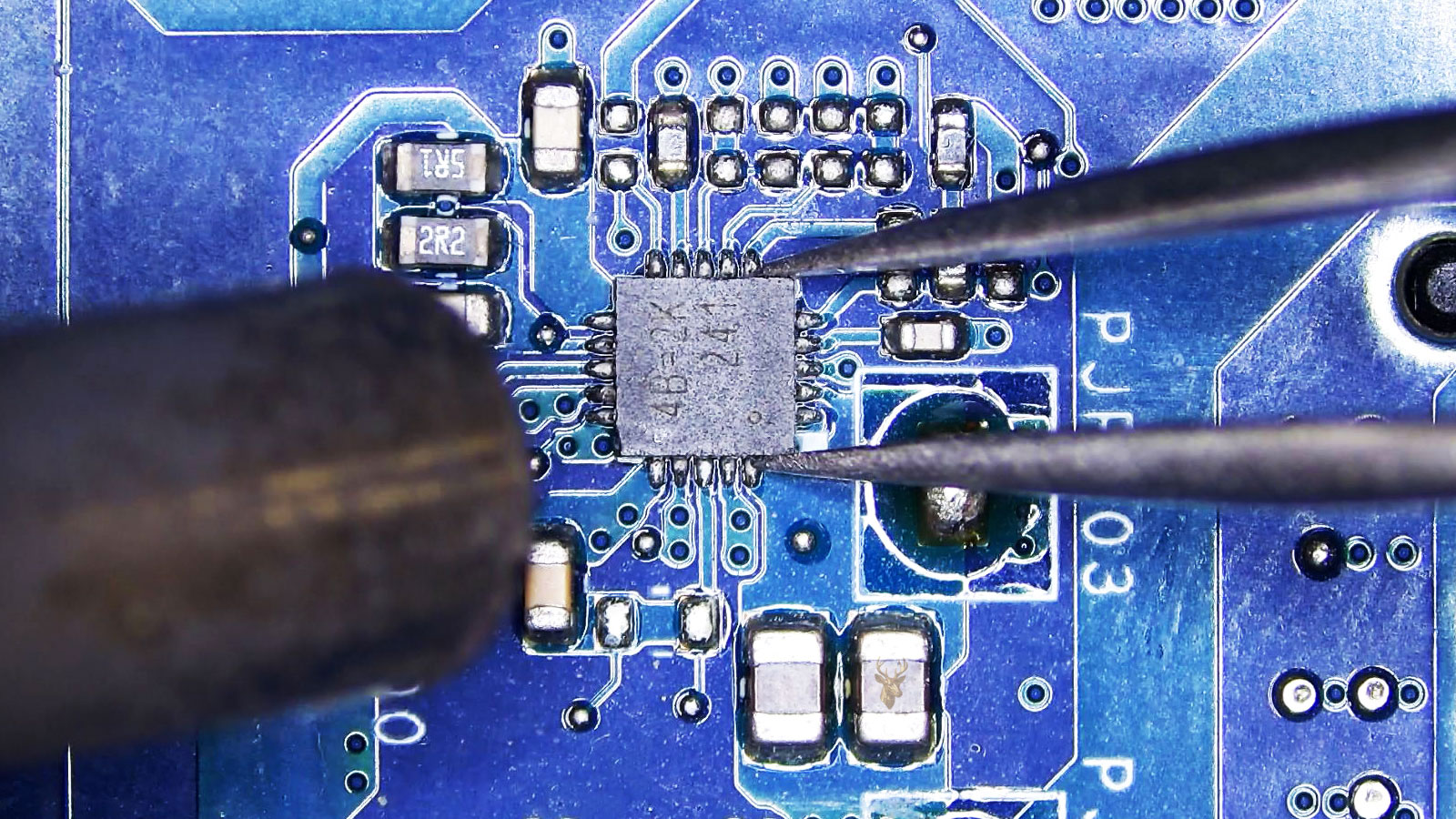
Microsoldering can help when a computer has a damaged charging circuit, broken connector, failed component, liquid-damaged area, shorted line, or board-level fault that cannot be solved with a simple part swap. For customers using computers in shops, studios, offices, or home work areas, this type of repair can help save a device that still has valuable use left in it.
Laptop Hinge Repair for Loose, Cracked, or Separating Screens
A laptop hinge problem can start as a stiff corner, lifted palm rest, clicking lid, or screen that no longer closes evenly. If ignored, the hinge can damage the display cable, crack the frame, pull apart the base, or make the laptop unsafe to open. Repair can address the hinge area before the damage spreads into the screen or motherboard side of the machine.
MacBook Pro LCD Replacement for Damaged or Failing Displays
A MacBook Pro with a cracked LCD, black screen, colored lines, backlight failure, flickering image, or pressure-damaged panel may still contain working storage, accounts, and important project files. LCD replacement can help restore the display while keeping attention on the condition of the computer, the lid assembly, the cables, and the data that may still be needed.
Website Design Services for Local Brands, Shops, and Creative Work
Some customers need more than device repair. A business, artist, restaurant, studio, contractor, or service provider may need a website that looks professional, loads properly, explains the work clearly, and gives customers a way to make contact. Website design services can help turn scattered text, images, service details, and contact information into a cleaner online presence.
iMac Hard Drive Upgrade and Data Recovery
An older iMac may become painfully slow, fail to boot, show storage errors, or take too long to open files even when the rest of the machine still has value. A hard drive upgrade can improve the way the iMac runs, while data recovery work can focus on documents, photos, music, design files, business records, and other material that should be protected before the old drive is replaced.
Data Recovery for Drives, User Profiles, and Project Folders
Data recovery may be needed when a computer stops booting, an external drive clicks or disappears, a user profile will not load, or project folders suddenly become unreadable. For customers who depend on invoices, photos, videos, music sessions, customer records, or creative files, recovery work should begin carefully before repeated restarts or random repair attempts make the situation worse.
Signs That a Computer Needs More Than Another Restart
A computer may be tied to a studio table, a shop counter, a home desk, a shared creative workspace, or a small office near NE 2nd Avenue, The Citadel, MADE, nearby studios, or the 79th Street corridor. When that device begins showing damage, the warning signs are often specific: a MacBook reacts differently after a spill, a screen changes after pressure, an all-in-one becomes painfully slow, or a laptop keeps losing power or internet during the workday.
These symptoms should not be treated like normal aging or simple inconvenience. A device that still turns on can still have liquid residue, a failing LCD, a weakening hard drive, a damaged DC jack, a battery problem, or a network fault that gets worse each time the computer is forced through another session without being checked.
The Laptop DC Jack Feels Loose or Stops Charging Mid-Use
A laptop that charges only when the plug is pushed, angled, or held in place may have a damaged DC jack, worn charging socket, cracked solder joint, or internal power connection problem. In a busy desk or shop setup, that can turn into sudden shutdowns, battery drain, or a machine that will not power on when it is needed.
The MacBook Pro LCD Shows Lines, Bleeding, Flicker, or Black Areas
A MacBook Pro screen with colored lines, dark corners, pressure marks, flickering, liquid-looking blotches, or a black section may have LCD damage even if the glass still looks acceptable. Waiting too long can make the display harder to use for editing, writing, scheduling, invoices, presentations, or any work that depends on a clear screen.
The All-in-One Freezes While Opening Folders or Loading the Desktop
An all-in-one computer with a failing hard drive may take too long to start, click during use, freeze when folders open, stall while loading photos, or stop responding when files are copied. Those delays can be early signs that the drive is struggling, especially when the machine still holds business documents, family photos, design files, or customer records.
The MacBook Air Acts Normal After Liquid, Then New Problems Appear
A MacBook Air may turn on after a spill and still have liquid damage developing inside. Sticky keys, random shutdowns, charging trouble, trackpad glitches, dim display behavior, corrosion marks, or sudden startup issues days later can mean liquid reached parts of the board, keyboard, battery area, or connectors before the damage became obvious.
The MacBook Pro Battery Drains Fast, Swells, or Shuts Down Without Warning
A MacBook Pro battery problem may show up as fast percentage drops, service battery warnings, heat near the palm rest, a trackpad that feels raised, a case that no longer closes flat, or shutdowns before the battery reaches zero. Battery issues should be checked before swelling damages the keyboard, trackpad, enclosure, or internal components.
The Laptop Keeps Dropping Wi-Fi or Going Offline During Work
A laptop that repeatedly loses Wi-Fi, disconnects from cloud files, drops video calls, fails uploads, or shows connected-but-offline behavior may have a network card issue, driver problem, antenna damage, router conflict, browser session failure, or operating system setting that is interrupting access. For users working with online tools, those drops can stop the entire workflow.
Computer Service That Starts With What the Device Cannot Lose
A damaged computer may still be holding the files, projects, accounts, photos, invoices, edits, menus, booking details, or customer records that keep the day moving. A MacBook from a studio desk, a laptop used near NE 2nd Avenue, an iMac from a small office, or an all-in-one from a shop counter should not be handled like an empty machine if the information inside still matters.
Service handling begins by looking at the risk around the device. Liquid exposure, screen damage, battery swelling, failing storage, loose charging ports, weak hinges, data recovery concerns, and network problems all require a different approach. Before deeper repair work begins, the condition of the computer, the value of the data, the customer’s deadline, and the equipment connected to the setup should all be considered.
What Matters Before Repair Work Moves Forward
A customer bringing in a device from The Citadel area, nearby studios, MADE, NE 71st Street, or the 79th Street corridor may need more than a basic diagnosis. The computer may be tied to production files, a website project, client work, a business login, an external drive, a damaged display, a charger that only works at an angle, or a drive that is already showing signs of failure.
That is why the repair should be handled in a controlled order. The first concern may be protecting the files, checking whether the device is safe to power on, deciding whether board-level work is needed, confirming which parts are involved, and making sure the repair direction fits the way the computer is used. The goal is not just to make the machine turn on, but to return it in a condition that supports the work, access, and information the customer depends on.
Getting Computers Into Service Without Losing the Story Behind the Failure
Computers often come from active work environments, not empty desks. A MacBook may be needed for a client file near MADE, an iMac may be holding design work close to NE 2nd Avenue, a production laptop may be tied to camera media near nearby studios, or a business computer near The Citadel may be needed for orders, schedules, invoices, and customer communication.
Pickup can help when the device is too unstable to keep using, too damaged to carry casually, or too connected to accessories and files to disconnect without planning. Before the computer leaves the home, studio, shop, or office, it helps to identify what failed, what still works, what files matter, and which charger, drive, display cable, or accessory may need to come with it.
Pickup for Computers With Screens, Drives, Batteries, Boards, or Hinges at Risk
Some devices should be moved carefully because the damage can get worse with handling. A MacBook Pro with LCD damage, a MacBook Air exposed to liquid, an all-in-one with a failing hard drive, a laptop with a loose DC jack, or a machine with a swollen battery may still turn on, but it may not be safe to keep opening, charging, restarting, or forcing through normal use.
Pickup gives the repair a cleaner starting point by keeping the device, the symptom, and the customer’s priorities together. If the issue involves data recovery, microsoldering, a broken hinge, a charging problem, a bad display, or files needed for work, the computer can be brought in with the right notes instead of arriving as just another machine with no background.
Service Coverage Around NE 2nd Avenue, NE 71st Street, MADE, and the 79th Street Corridor
Pickup and service coordination can support customers near The Citadel at NE 2nd Avenue, nearby studios on NE 71st Street, MADE at The Citadel, the 79th Street corridor, nearby warehouse blocks, creative offices, residential streets, shop spaces, and the routes leading toward Little Haiti, El Portal, Miami Shores, and Biscayne Boulevard.
Devices from this area may be used for production files, website projects, retail work, restaurant records, studio schedules, design folders, client communication, music sessions, invoices, photos, and everyday home access. The purpose of pickup is to get the computer into service with enough context to protect the files, check the failure properly, and move toward a repair that fits how the device was being used.
What Customers May Need to Know About Device Damage, Files, and Repair Options
A computer may be carrying more than casual use. A MacBook near a studio table, an iMac in a small office, a laptop used for client messages, or an all-in-one holding business records may have files, accounts, schedules, media, and project work that need to be handled carefully before repair decisions are made.
These questions focus on the kinds of issues customers may notice around NE 2nd Avenue, The Citadel, nearby studios, MADE, NE 71st Street, and nearby workspaces. They cover damage, recovery, parts, power, screens, batteries, and network behavior that should be checked before the device is pushed any further.
Should a MacBook Air be powered on after liquid gets inside?
It is better to avoid powering it on again until it is checked. A MacBook Air may still react after a spill, but liquid can remain under the keyboard, around connectors, near the battery, or on board areas that are not visible from the outside. Turning it on too soon can spread the damage and make repair or data recovery harder.
Can a MacBook Pro LCD be replaced if the computer still works on an external monitor?
Yes, that is a common reason to inspect the display assembly. If the MacBook Pro works through an external screen but the built-in display has lines, black areas, flicker, pressure marks, or no backlight, the LCD or display assembly may need replacement while the rest of the computer and its data can still be evaluated separately.
What makes an all-in-one computer a data recovery concern instead of just a slow machine?
Clicking sounds, freezing while opening folders, repeated startup delays, missing files, failed updates, or errors while copying data can point to a failing drive. When an all-in-one still holds photos, records, invoices, or creative work, the safest path is to check the storage before reinstalling software or forcing more restarts.
Is a loose laptop charging port always solved by buying another charger?
No. A new charger may help if the adapter or cable is bad, but a loose DC jack can also involve a damaged port, broken internal mount, cracked solder joint, or board-side power issue. If the plug has to be held at an angle, the port area should be checked before the laptop stops charging completely.
When does a MacBook Pro battery problem become urgent?
A battery problem becomes urgent when the case begins to lift, the trackpad feels raised, the laptop gets unusually hot, the battery drains suddenly, or the computer shuts down without warning. Swelling can press against the trackpad, keyboard, enclosure, and internal parts, so it should be handled before the damage spreads.
Why does a laptop keep dropping Wi-Fi in one workspace but not everywhere else?
The issue may come from the laptop, the network, or the location. A weak antenna, driver problem, router conflict, crowded signal area, VPN setting, browser session issue, or failing wireless card can all cause drops. Testing the laptop against the network behavior helps separate a device fault from a local connection problem.
Bring the Computer Problem Into Focus Before It Disrupts the Next Job, File, or Deadline
Plenty of computers are doing serious work behind ordinary doors, from laptops in creative studios and iMacs in small offices to MacBooks used near NE 2nd Avenue, production devices around NE 71st Street, and business machines near The Citadel, MADE, and the 79th Street corridor. When one of those systems starts showing liquid damage, screen failure, hinge separation, charging trouble, battery swelling, hard drive failure, Wi-Fi drops, or missing files, it should not be reduced to a random restart or another temporary fix.
Service is available for customers who need microsoldering, data recovery, website design support, MacBook Pro LCD replacement, iMac hard drive upgrades, laptop hinge repair, DC jack repair, battery replacement, network troubleshooting, and help with computers that still hold active work. Whether the device came from a home desk, shop counter, studio table, shared workspace, or office setup, the next step should protect the information, identify the real failure, and give the customer a clear repair direction before the problem spreads into more downtime.