
Computer Repair Lake Lucerne
Keeping Lake Lucerne Computers Ready for Work, School, and Home Use
Lake Lucerne sits in the Miami Gardens area near familiar points such as the park on NW 22nd Avenue, North County K-8 Center on NW 207th Street, and the busier NW 27th Avenue corridor leading toward Calder Casino and Hard Rock Stadium. Computers here are often tied to schoolwork, remote jobs, small business tasks, family records, online forms, and daily communication.
When a laptop stops charging, a desktop becomes too slow to use, a screen breaks, files disappear, or a system refuses to start, repair service is available for nearby homes and businesses. The goal is to make the process direct and useful, with clear testing, practical explanations, and service focused on the problem affecting the device.
Help for Devices Used Every Day
A computer problem can interrupt more than one routine at once, especially for households and workspaces that depend on the same device for documents, email, payments, appointments, school portals, and personal files. That is why the service starts with the symptoms the user is actually seeing instead of treating every repair as the same type of job.
Support can cover slow performance, startup failure, overheating, virus concerns, damaged screens, charging issues, Wi-Fi trouble, data transfer, and hardware problems. Whether the computer is used near NW 207th Street, close to Lake Lucerne Park, or along the routes toward NW 27th Avenue, the repair approach stays centered on getting the device back to reliable use.
How We Narrow Down Computer Problems
A computer may be used for school portals, remote work, business records, family photos, online forms, or everyday communication. When that device starts acting up, the repair process needs to begin with what is actually happening on the screen, at startup, during charging, or while the system is under normal use.
From homes near NW 207th Street to nearby routes toward NW 27th Avenue, the goal is to avoid guesswork. The device is reviewed in stages so the issue can be separated from similar-looking problems, whether the cause is software damage, failing storage, overheating, power trouble, a damaged screen, or a deeper hardware fault.
Trace the Behavior Before Taking Action
The first step is to look at the pattern: when the computer freezes, how it reacts to power, whether it reaches the login screen, what sounds it makes, and which error messages appear. Those details help prevent the wrong repair path, especially when several failures can look alike at first.
Separate System Damage From Hardware Failure
A slow or unstable computer may have malware, corrupted files, a weak drive, bad memory, heat problems, or a failing board. The process checks the likely causes one by one so the repair is based on evidence, not assumptions or automatic part replacement.
Review the Device Under Real Use Conditions
After the approved work is completed, the computer is checked the way it will normally be used: startup, charging, display behavior, Wi-Fi, storage access, heat, fan noise, and general response. That final review helps confirm the system is ready to return to daily use, not just pass a quick power-on test.
Focused Computer Services for Problems That Need More Than a Basic Fix
A computer problem is not always something simple like a slow system or a bad update. Some devices need closer inspection because the issue may involve a damaged charging circuit, a failing screen connection, liquid exposure, unstable ports, board-level faults, or parts that no longer communicate correctly with the system.
This section focuses on more specific repair needs for residents and nearby workspaces. Instead of treating every computer as a general repair, the device is checked according to the part, symptom, and type of failure involved.
Motherboard and Power Circuit Repair
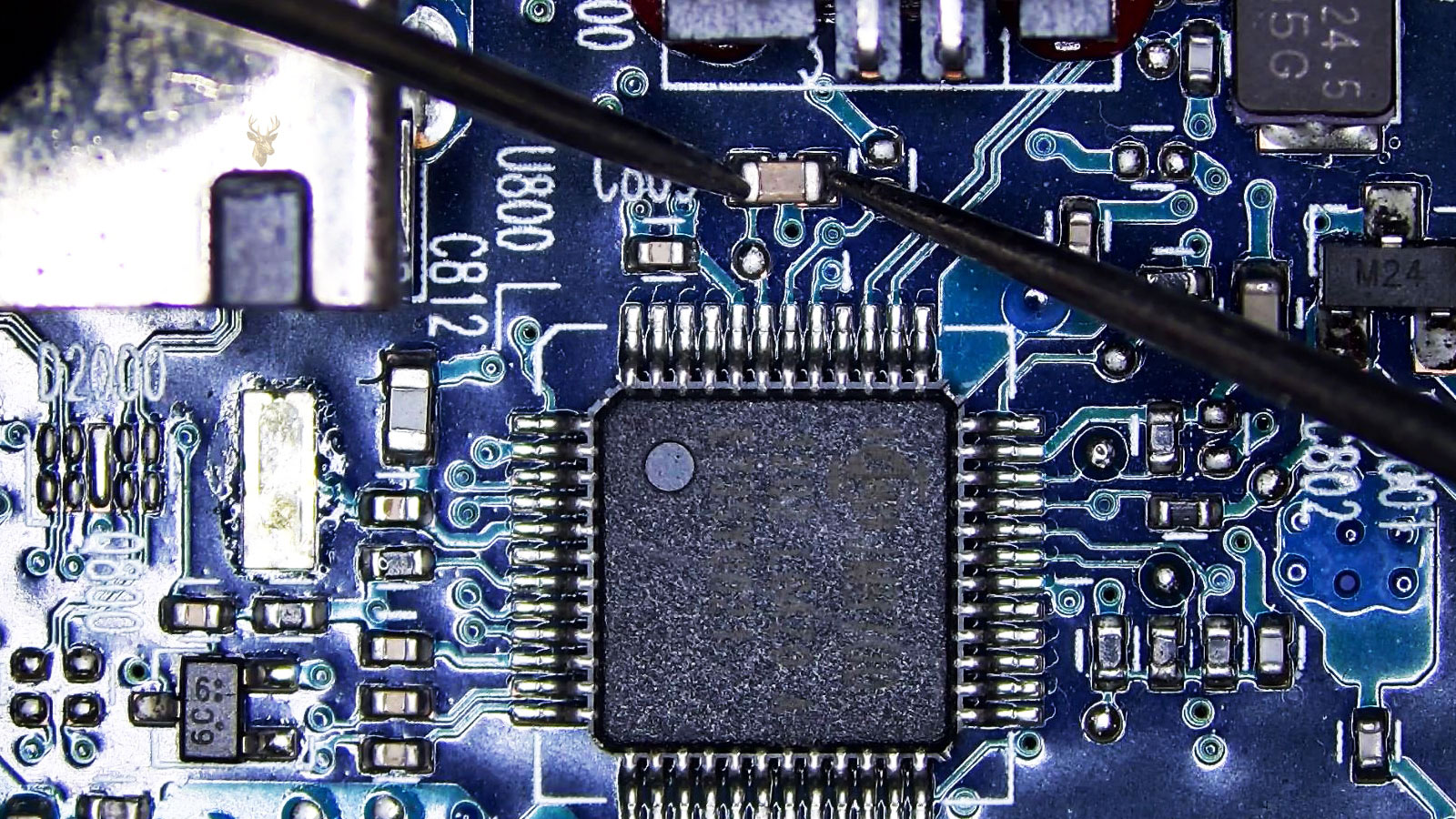
A computer that shows no power, shuts off suddenly, fails after a surge, or reacts only when the charger is moved may have damage beyond the power button or adapter. Motherboard and power-circuit service helps trace faults around charging paths, voltage rails, shorted components, and board areas that prevent the system from starting normally.
DC Jack and Charging Port Service
Loose charging ports, bent connectors, weak battery contact, and laptops that charge only at certain angles are common signs of a physical or electrical charging problem. Service can include checking the adapter, jack, cable, battery connection, and internal board area before the laptop loses power completely.
LCD, Backlight, and Screen Connection Repair
A screen that stays black, flickers, shows lines, becomes dim, or works only when the lid is positioned a certain way may involve more than a cracked panel. Screen service can include display cable checks, backlight issues, hinge-related damage, panel replacement, and testing for deeper graphics or board faults.
Liquid Damage and Corrosion Cleanup
Spilled coffee, water, soda, or moisture exposure can leave corrosion even after the computer appears dry. Liquid damage service focuses on checking affected areas, cleaning visible contamination, reviewing keyboard and trackpad behavior, and identifying whether the board, battery, screen, or ports were damaged.
Drive Cloning, SSD Upgrades, and System Migration
When an older hard drive becomes slow or unreliable, replacing it with an SSD can extend the life of the computer and improve daily performance. Service can include drive health checks, cloning when possible, moving files to a new system, and setting up the computer so important folders are not left behind.
Audio, USB, Wi-Fi, and I/O Fault Repair
A computer may still turn on but lose important functions such as sound, webcam access, USB ports, Bluetooth, Wi-Fi, HDMI output, or keyboard response. I/O repair focuses on the connection points people depend on every day, especially when the issue follows a drop, spill, update, loose connector, or board-level fault.
Warning Signs Computer Users May Notice Before a Bigger Failure
A computer does not always fail all at once. A device may begin showing smaller warning signs during schoolwork, remote work, online forms, video calls, file transfers, or everyday browsing before the problem becomes serious enough to stop the day completely.
These signals are different from the obvious failures people usually think about. Strange input behavior, loose ports, battery swelling, audio trouble, repeated security warnings, or a system that keeps changing settings can all point to issues that should be checked before more damage develops.
Keys Beep, Stick, Repeat, or Stop Typing
A keyboard that only makes beeping sounds, repeats letters, misses keystrokes, types on its own, or stops responding after login can point to keyboard failure, stuck input, accessibility settings, liquid damage, driver issues, or board-level input trouble.
USB, HDMI, Audio, or Webcam Ports Cut In and Out
Devices that disconnect when the cable moves, headphones that work only on one side, a webcam that disappears, or an HDMI port that stops detecting a monitor may signal loose connectors, damaged ports, driver conflicts, or internal I/O problems.
The Case Separates, Trackpad Lifts, or Battery Area Bulges
A laptop with a raised trackpad, uneven bottom cover, separating palm rest, or pressure near the battery area should not be ignored. These signs may point to battery swelling or internal pressure that can damage the screen, keyboard, frame, or motherboard.
Date, Time, BIOS, or Boot Settings Keep Resetting
A computer that forgets the date, changes boot order, loses BIOS settings, or shows clock errors after being off may have a weak CMOS battery, firmware issue, motherboard fault, or storage configuration problem that affects normal startup behavior.
Fake Alerts, Locked Browsers, or Security Warnings Keep Returning
Repeated fake virus alerts, browser pages that will not close, search engines changing by themselves, or warning messages that return after removal can mean the system has unwanted software, browser hijacking, damaged settings, or deeper cleanup needs.
Blue Screens, Kernel Panics, or Random Error Codes Appear
Repeated blue screens, Mac kernel panic messages, memory warnings, driver errors, or random stop codes can point to failing RAM, corrupted drivers, damaged system files, storage instability, or hardware conflicts that need proper testing.
How Computer Repairs Are Handled From the First Complaint
A service request usually begins with the details that matter most: what the computer is doing, when the issue started, whether anything changed recently, and whether important files are stored on the device. That first information helps shape the repair direction before the computer is opened, reset, upgraded, or tested more deeply.
For homes near NW 207th Street, apartments along nearby corridors, and workspaces around Miami Gardens, the handling needs to stay organized. A laptop with a loose charging port, an all-in-one with no image, a MacBook with liquid exposure, or a desktop with unstable ports each requires a different path, so the service is guided by the actual condition of the machine instead of a generic repair script.
What Happens Before a Repair Direction Is Recommended
Before a repair is recommended, the device is reviewed for the reported issue and for related signs that may affect the final result. That can include checking charging behavior, screen response, port stability, board condition, storage health, liquid marks, keyboard input, fan behavior, or system errors depending on the complaint.
The goal is to keep the service simple to understand without skipping the technical work behind it. Customers should know what was found, what the likely repair involves, and whether the device is worth continuing with before moving forward.
Computer Pickup and Service Coordination Near NW 207th Street
Lake Lucerne has a residential layout spread around NW 207th Street, NW 17th Avenue, NW 22nd Avenue, and nearby routes leading toward NW 27th Avenue. For people using computers at home, for school, for remote work, or for small business tasks, pickup service can make the repair easier to start when the device is too large, too fragile, or too unreliable to move casually.
A pickup request can be based on the computer type, the reported issue, and whether the device contains important files or damaged parts that need careful handling. This helps residents begin the repair without turning a broken laptop, desktop, all-in-one, or external drive into a bigger problem.
Pickup Planning for Fragile, Heavy, or Unstable Devices
Some computers should not be moved without a little planning. A desktop tower with loose internal parts, an all-in-one with a cracked display, a laptop with a swollen battery, or a system that shuts off during startup may need careful handling before service begins.
Pickup details help identify what should be protected first, including chargers, external drives, passwords, accessories, and any files that may be at risk. That keeps the service organized before the device reaches the repair stage.
Service Area Coverage Through Nearby Miami Gardens Routes
Service access can cover the area around NW 207th Street, residential buildings near NW 17th Avenue, streets near North County K-8 Center, and routes moving toward NW 27th Avenue and Calder Casino. The goal is to keep the service practical for people who need help close to where the computer is actually being used.
Whether the device needs diagnostics, screen repair, charging-port work, board inspection, data transfer, or help after a failed startup, the pickup and service-area step gives residents a clear way to begin. Share what the computer is doing, where the device is located, and what matters most before the repair moves forward.
Questions Customers Ask Before Starting Computer Service
A computer repair request may come from a household near NW 207th Street, a student using a school portal, a remote worker handling documents, or someone trying to recover normal use from a damaged device. The questions below focus on practical situations people may face before bringing in or arranging service for a laptop, desktop, all-in-one, Mac, or external drive.
Some problems are simple to describe, while others only show up as strange behavior: lifted trackpads, unstable ports, repeated warning messages, failed accessories, liquid exposure, or a device that works one day and becomes unreliable the next. These answers help clarify what can be checked and what details are useful before the repair begins.
Can service begin if I do not know exactly what is wrong with the computer?
Yes. Many repair requests start with symptoms instead of a clear diagnosis. Details such as beeping, freezing, black screens, loose ports, unusual messages, charging behavior, or recent drops can help narrow the issue before deeper testing is done.
Should I keep using a laptop if the bottom cover or trackpad is lifting?
It is better to stop using it until the device is checked. A raised trackpad, separating case, or uneven bottom panel may point to battery swelling or internal pressure, and continued use can damage the screen, keyboard, frame, or internal board.
Can accessories be included when arranging pickup or service?
Yes. Chargers, external drives, adapters, docking stations, keyboards, mice, and cables can be important when the problem involves power, display output, USB detection, data transfer, or intermittent connection issues. Including the right accessories can make testing more accurate.
Do port, webcam, speaker, or microphone problems need hardware repair?
Not always. Those issues may come from damaged connectors, loose internal cables, driver conflicts, privacy settings, liquid exposure, or board-level faults. Testing helps separate a settings issue from a physical repair before parts are replaced.
What should I do after a spill if the computer still turns on?
Power it down and avoid charging it until it is inspected. Liquid can leave corrosion under the keyboard, around ports, near the battery, or on the board even when the computer appears to work at first. Waiting too long can allow damage to spread.
Can a repair be focused on keeping the device usable for school or remote work?
Yes. If the computer is needed for classes, remote work, forms, meetings, or daily files, the service can focus on the most important use first. That may mean stabilizing startup, protecting documents, restoring internet access, replacing a damaged input part, or moving files to another device when repair is not the best option.
Computer Service When the Problem Cannot Wait
For households and workspaces nearby, a computer problem can quickly interfere with school portals, work files, online forms, video calls, family photos, and the daily tasks people expect their devices to handle. Whether the issue starts near NW 207th Street, along nearby residential streets, or close to routes leading toward NW 27th Avenue, getting the computer checked should feel simple and direct.
Service is available for devices with charging trouble, screen damage, liquid exposure, unstable ports, motherboard faults, data transfer needs, startup errors, and performance problems that make the computer difficult to trust. When you are ready to move forward, share what the device is doing, what matters most on it, and where the problem started, and the repair can be guided from there.